














Iran and Oman have agreed on the route that ships will use to transit the Strait of Hormuz, marking a step toward reopening one of the world’s most important energy corridors, even as regional security threats continue to cloud the outlook for commercial shipping.
Iran’s Foreign Ministry said the two countries had finalized the geographical coordinates for the proposed route and were completing a joint statement outlining the framework for managing navigation through the strategic waterway. The announcement comes after months of disruption that has affected global oil and liquefied natural gas exports.
Foreign Ministry spokesman Esmaeil Baqaei said the agreement was in its final drafting stage, provided there was no interference from outside parties. He added that the reopening of the route still depended on broader security conditions, particularly the presence of what Tehran described as a U.S. naval blockade around Iranian ports.
Iran has exercised effective control over access to the strait since the conflict involving the United States, Israel and Iran escalated earlier this year. Tehran has warned vessels against using routes it considers unauthorized and has repeatedly rejected claims that it is negotiating directly with Washington over the future of the waterway.
Baqaei said that while discussions with Oman had progressed, reaching an agreement would not automatically restore safe passage for all vessels. He argued that ongoing U.S. military activities in the region continued to pose risks to maritime security.
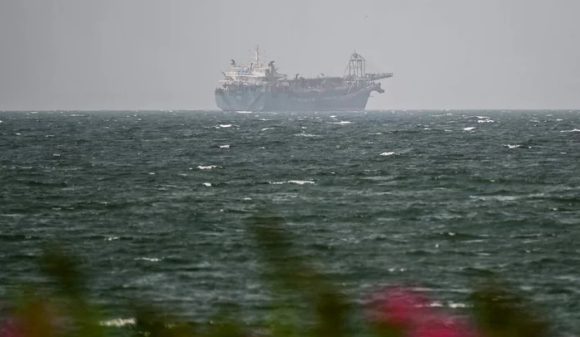
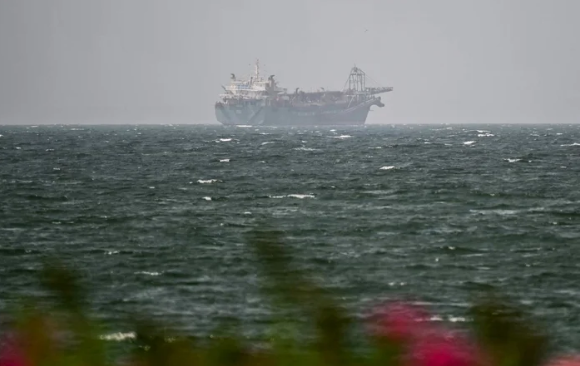
The fragile security situation was highlighted by another incident in the strait. Britain’s maritime security agency, UKMTO, said the captain of an oil tanker reported hearing two explosions while sailing about 17 kilometers southeast of Kumzar, Oman. The agency said the vessel and its crew remained safe, and no damage was immediately reported.
Elsewhere in the region, Yemen’s Houthi movement claimed responsibility for missile attacks on two Saudi oil tankers. The group said it struck the tanker Wafa near Yanbu on the Red Sea coast and the tanker Daisy in the Gulf of Aden. Saudi authorities had not commented on the claims.
Before the conflict, the Strait of Hormuz handled roughly one-fifth of global oil and liquefied natural gas exports, making it a critical route for international energy markets. Repeated disruptions have fueled volatility in oil prices and raised concerns about global supply chains.
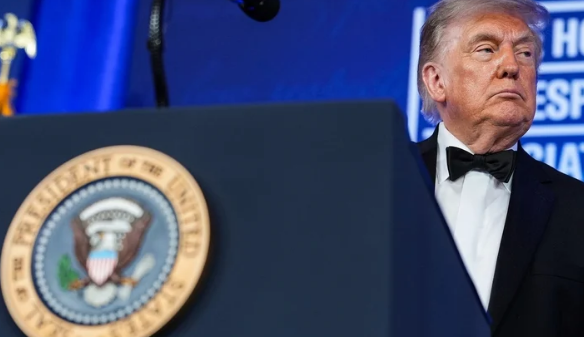
U.S. Vice President JD Vance acknowledged that any diplomatic breakthrough with Iran would take time, describing the country’s political system as divided and negotiations as complex. President Donald Trump has repeatedly said a deal to reopen the strait is close, while also warning of possible military action if diplomacy fails.
Iran, however, has maintained that no direct negotiations are taking place with Washington and has instead focused on coordinating arrangements with neighboring Oman to manage shipping through the strategic waterway.


















You must be logged in to post a comment Login