












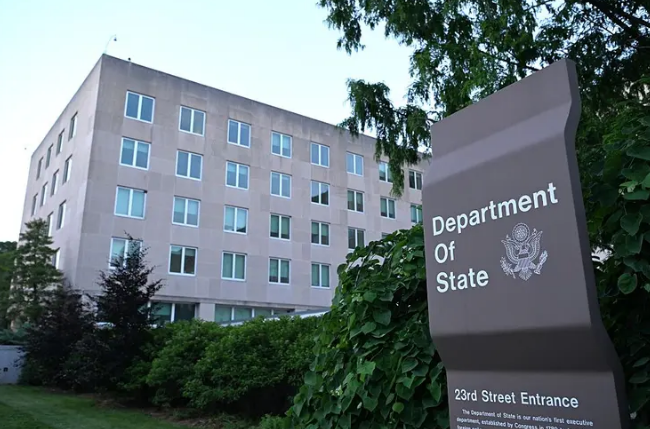
The US State Department is considering requiring some visa applicants to pay a financial bond, adding to the Trump administration’s broader efforts to tighten immigration rules and restrict access to the country.
The department has not disclosed how much the proposed bond would cost or which categories of applicants could be affected. However, The Wall Street Journal reported that officials have discussed a bond of up to $100,000 for some applicants seeking permanent residency.
State Department spokesperson Tommy Pigott said the administration was examining the measure for certain applicants who might otherwise be considered ineligible because they are likely to become a public charge.
“President Trump has made clear that those who wish to immigrate to the United States must be financially self-sufficient,” Pigott said.
He described the possible bond as a way for applicants to demonstrate that they have enough financial resources to support themselves without relying on public assistance.
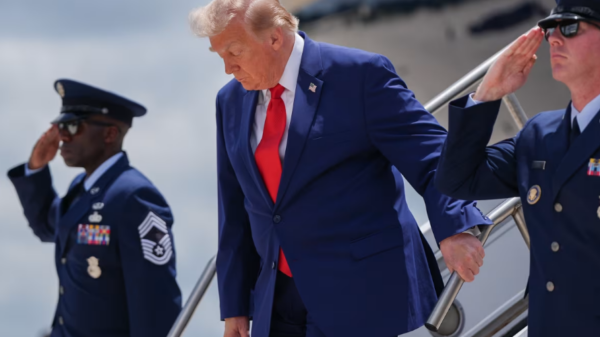
The proposal would represent another significant change to the US immigration system under President Donald Trump, who has pursued restrictions on both legal and illegal immigration since returning to the White House for a second term.
Pigott said the proposed bond could provide applicants with another way to demonstrate financial independence while protecting public assistance programmes.
The State Department has not said whether the bond would be refundable, how long it would remain in place or what circumstances would trigger its payment.
The possible move comes as the administration has taken several steps to make immigration more difficult. The Department of Homeland Security recently proposed increasing fees for applications related to US citizenship, raising concerns among immigration advocates who say higher costs could prevent some eligible immigrants from applying for naturalisation.
The administration has also attempted to increase the cost of employment-based immigration. Last year, it introduced a $100,000 annual fee for companies sponsoring H-1B visas, a move that drew criticism from businesses and immigration experts concerned about its effect on the recruitment of skilled foreign workers. A federal judge later blocked the policy.
Other immigration policies have faced challenges in court. The Supreme Court recently rejected an administration effort to restrict birthright citizenship, preserving a constitutional protection that has existed for more than a century.
The Justice Department has also instructed staff to prioritise investigations into alleged birth tourism schemes, involving foreigners accused of travelling to the US under false pretences to give birth and obtain citizenship for their children.
The potential visa bond is still under consideration, and no final decision has been announced. If introduced, it could add a substantial financial hurdle for applicants and become another major test of the administration’s immigration agenda.