

















A period of significant disruption in the United States public health system is prompting states, universities, medical organizations and technology groups to develop new approaches aimed at strengthening disease surveillance, vaccination efforts and emergency preparedness.
The shift comes as health officials respond to a series of challenges, including a record number of measles cases, the return of diseases not seen in the country for decades, declining childhood vaccination rates and growing public distrust in government institutions. Changes to federal health programs and vaccine policy have also added pressure on the nation’s healthcare system.
Former officials and public health experts say national institutions remain essential for coordinating responses to disease outbreaks, conducting research and maintaining surveillance across all 50 states. At the same time, they point to growing collaboration outside the federal government as evidence that new solutions are emerging.
Several states have begun working together to fill gaps in public health coordination. Regional partnerships such as the West Coast Health Alliance and the Northeast Public Health Collaborative have aligned their vaccine recommendations using scientific evidence following changes to the federal vaccine advisory process.
Cooperation has also expanded during disease outbreaks. Texas developed a high-capacity measles testing system that has been shared with other states, while public health agencies continue exchanging information on multistate threats such as Cyclospora infections. California has launched the Public Health Network for Innovation and Excellence (PHNIX), an initiative designed to connect public health agencies with technology developers to improve healthcare delivery, emergency response and operational efficiency.
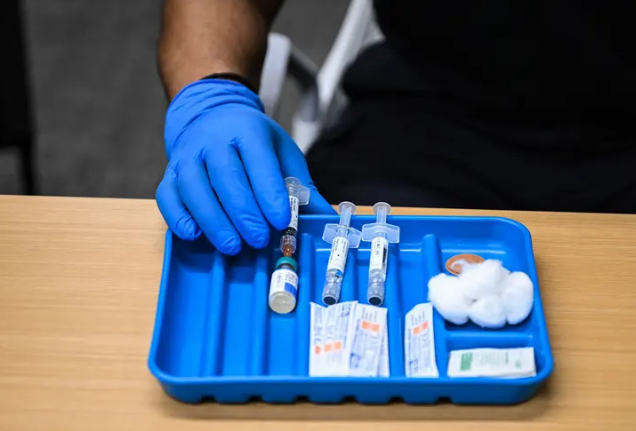
Medical organizations have also stepped forward. The American Academy of Pediatrics has continued issuing independent, evidence-based vaccine recommendations while challenging federal actions affecting vaccine guidance. The Vaccine Integrity Project, working alongside the American Medical Association and other healthcare organizations, has introduced an independent scientific review process for influenza, COVID-19 and respiratory syncytial virus (RSV) vaccines in an effort to preserve confidence in vaccine recommendations.
Universities are also reshaping their role in public health. Yale University has established the Future of Health Innovation Hub to help transform research into practical healthcare solutions through partnerships with industry. Its PopHIVE program combines government information with electronic health records and other data sources to provide more timely insights into population health.
Georgetown University has created a Health Security Operations Center that brings together universities, hospitals, public health agencies and technology companies to monitor emerging disease threats using real-time information.
Technology is becoming another important part of the response. The Coalition for Health AI recently launched PULSE, a program that allows state, tribal and local health departments to test responsible uses of generative artificial intelligence in areas including disease surveillance and multilingual communication. OpenAI and Anthropic are providing technology support, while participating agencies will share lessons learned.
Private healthcare companies are also introducing new digital tools. Akido is using artificial intelligence to support street medicine teams serving vulnerable populations, while Jimini Health has developed AI-assisted mental health systems that help clinicians monitor patients between appointments.
Public health experts stress that these efforts are not intended to replace federal leadership. Instead, they see expanding partnerships among states, healthcare providers, academic institutions and technology companies as an opportunity to build a stronger and more resilient public health system capable of responding to future challenges.