
















The Trump Administration has proposed major changes to the US census that could affect how federal funding is distributed and how congressional representation is allocated among states.
The proposals, which must undergo an approval process before they can take effect, were released publicly earlier this week. They include adding a citizenship question to the census questionnaire and excluding people who are not US citizens or permanent residents from the official population count.
The Administration also wants to prevent census officials from asking certain demographic questions, including those concerning race, ethnicity and sexual orientation.
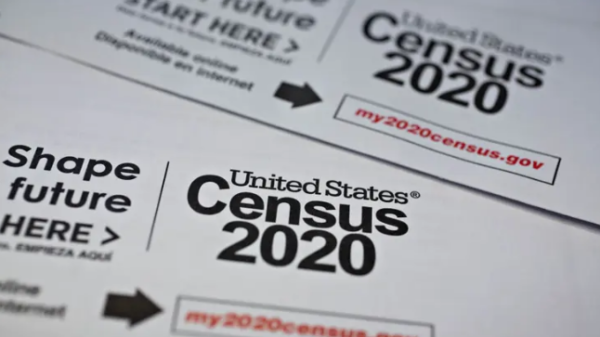
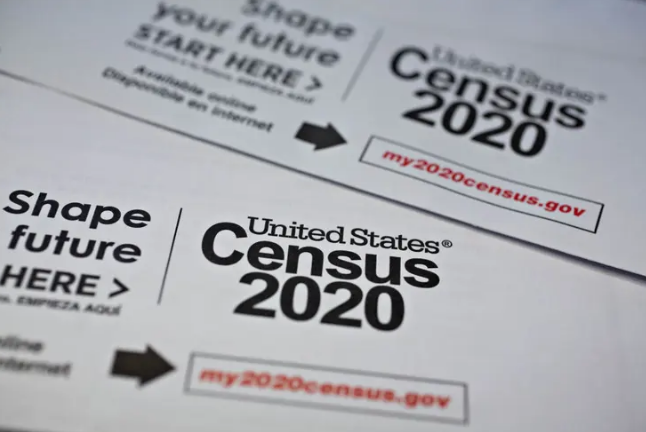
The US census is conducted every 10 years under the Constitution and is designed to count every person living in the country. Its results are used to determine how many seats each state receives in the House of Representatives and to help redraw electoral districts. Census data also plays an important role in determining how federal resources are distributed to states and local communities.
The next nationwide census is scheduled for 2030.
Under the proposed changes, undocumented immigrants and non-citizens without permanent residency would be excluded from the population figures used for congressional apportionment. This could also affect immigrants who are legally present in the country but have not obtained permanent resident status.
In its proposal, the Administration argued that undocumented immigrants should not be included in the apportionment count because they do not have what it described as a sufficient connection and allegiance to the United States.
The Administration is also seeking to remove questions about race, ethnicity and sexual orientation. It argued that the official population count should be based on a neutral approach and should not be affected by questions about personal characteristics.
Race and ethnicity have been part of the census since the first US population count in 1790. Critics have warned that removing such information could make it more difficult for government agencies to identify disparities and direct resources to communities with specific needs.
The proposed changes are likely to face legal challenges and opposition from lawmakers, advocacy groups and demographic experts.
The potential impact could be especially significant in states with large populations of undocumented immigrants and other non-citizens without permanent residency.
Pew Research Center estimates that California had about 2.3 million unauthorized immigrants in 2023, followed by Texas with 2.1 million and Florida with 1.6 million. New York had about 825,000, New Jersey 600,000 and Illinois 550,000.
If those residents were excluded from the 2030 census count, the affected states could face changes in their House representation and reductions in some forms of federal funding.
The proposals therefore have implications beyond the census itself, potentially reshaping the distribution of political representation and federal resources across the United States.




















You must be logged in to post a comment Login