



















European Union member states are moving to tighten cross-border health coordination following a hantavirus outbreak on a cruise ship that infected multiple European passengers, prompting concern but also reassurance from health experts that the virus is not linked to COVID-19.
EU ambassadors met in Brussels this week to discuss improved response protocols and faster information sharing across Schengen countries. The aim is to align procedures for monitoring, quarantine, and communication in the event of future outbreaks affecting multiple states at once.
All passengers from the affected cruise ship have now been repatriated to their home countries, where they are being managed under national health systems. However, quarantine measures vary widely across Europe. Spanish passengers are being held at the Gómez Ulla military hospital in Madrid, while those from the Netherlands and Belgium are isolating at home under supervision.
The World Health Organization has recommended strict monitoring for 42 days beginning 10 May, though it has also emphasized that countries retain the authority to adjust measures based on domestic conditions. WHO Director-General Tedros Adhanom Ghebreyesus said national responses may differ depending on healthcare capacity and local risk assessments.
European Centre for Disease Prevention and Control officials said two passengers, one in France and one in Spain, developed symptoms during quarantine and are receiving treatment in hospital. The agency confirmed that all exposed passengers have been traced and are under appropriate monitoring.
Gianfranco Spiteri, head of global epidemic intelligence and health security at the ECDC, said countries must consider medical infrastructure, home conditions, and access to care when deciding isolation measures. He also noted that passengers had spent weeks confined on the vessel, a factor authorities are taking into account in their response strategies.
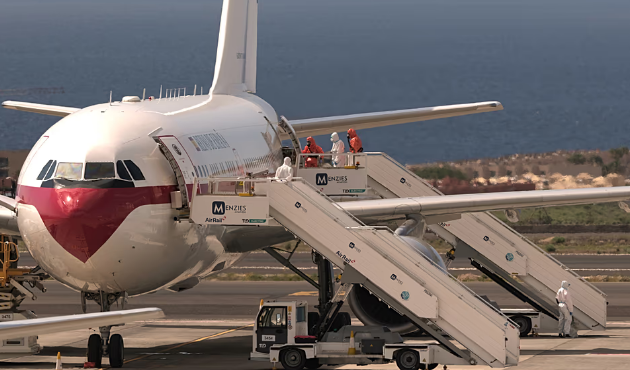
The outbreak has activated EU emergency coordination systems, including the Civil Protection Mechanism, which supports joint responses to crises. Several countries, including France, the Netherlands, Greece, and Ireland, have assisted with evacuation operations coordinated through Tenerife South Airport, which served as the main logistical hub.
EU officials said the situation highlights the importance of cross-border preparedness. Commissioner for Preparedness and Crisis Management Hadja Lahbib said infectious diseases can spread quickly across national boundaries, making coordinated action essential.
Health experts have repeatedly stressed that hantavirus is a different disease from COVID-19 and does not spread in the same way. Professor Luke O’Neill of Trinity College Dublin said the virus should not cause public alarm, describing it as unrelated to coronavirus and not a threat of pandemic scale.
WHO epidemiologist Maria Van Kerkhove also confirmed that the outbreak is not linked to SARS-CoV-2 and is limited to the ship-based cluster. She said transmission is associated with close contact rather than airborne spread typical of respiratory viruses.
Investigations are ongoing, with early findings suggesting the initial infection may have originated from a passenger who travelled in Argentina before boarding the cruise. Authorities believe onboard transmission followed during the voyage, consistent with known incubation patterns. The ECDC said there is no evidence of a new strain and expects further analysis to improve future outbreak response measures.




















