

















Connect with us

Hi, what are you looking for?

News

Used Electric Car Sales Hit Record High as UK Drivers Respond to Fuel Costs and Market Shift

Britain’s second-hand electric car market has recorded its strongest start to a year on record, as rising fuel costs and a growing supply of used battery vehicles push more drivers towards electrification.

New figures from the Society of Motor Manufacturers and Traders show that 86,943 fully electric cars were sold in the used market between January and March 2026. That represents a 32% increase compared with the same period last year and marks the highest quarterly total since records began.

Battery-electric vehicles also reached a record 4.3% share of all used car transactions, signalling a steady shift in consumer behaviour as EVs move further into the mainstream.

Across the wider market, however, activity remained largely unchanged. Just over two million used vehicles changed hands in total during the quarter, reflecting a flat overall market despite the surge in electric car demand. Analysts say this divergence highlights how quickly electrification is reshaping consumer choices, particularly among private buyers and small businesses focused on long-term running costs.

Mike Hawes, chief executive of the SMMT, said the growth reflects a rising supply of affordable electric vehicles entering the second-hand market as early adopters upgrade to newer models. He noted that the trend is being supported by strong manufacturer output in previous years, which is now filtering through to used-car availability.

However, he cautioned that continued momentum depends on policy support for the new-car market, which ultimately determines future supply. Without sustained incentives and stable demand for new EVs, he warned, the flow of used electric vehicles could weaken in the years ahead.

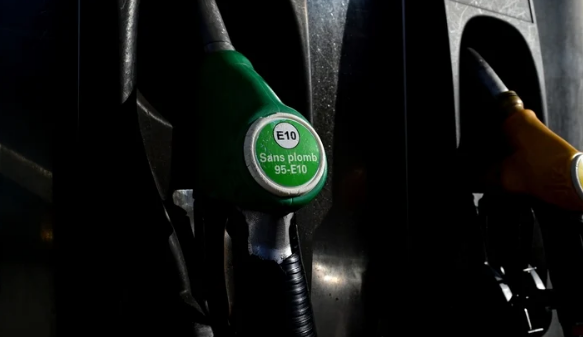
Rising fuel prices, partly driven by global instability linked to conflict in Iran, are also influencing consumer behaviour. Higher pump costs are making electric vehicles more attractive on a day-to-day running cost basis, especially for commuters and small business operators.

Ian Plummer, chief customer officer at Auto Trader, said interest in electric vehicles is increasing rapidly across online platforms. He noted that nearly one in four used-car enquiries on the site now relate to relatively new electric models under five years old.

He added that economic pressure at the pump is prompting many drivers to reassess their long-term motoring costs, accelerating the shift towards electric mobility.

The findings come as policymakers continue to rely on the transition in the new-car market to feed the used sector. Industry figures say maintaining supply will be essential to ensuring affordability and choice for consumers in the second-hand market over the coming years.


Business

Fraudsters are increasingly using AI-generated images and videos to trick people into handing over sensitive personal and financial information, according to FraudSMART, the financial crime awareness initiative operated by the Banking and Payments Federation Ireland (BPFI). The organisation has reported a rise in online adverts promoting fake, State-backed investment schemes. These scams often use fabricated images of well-known politicians and business figures to make the offers appear legitimate and encourage users to click on registration links. Niamh Davenport, head of financial crime at BPFI, said scammers are deliberately exploiting recent media coverage of a planned State-backed savings and investment scheme to give their frauds a sense of credibility. “They often claim the scheme is open to everyone, but that places are limited and being ‘snapped up’ fast, in order to pressure people to act quickly,” she said. “They typically promise guaranteed returns or a guaranteed monthly income.” FraudSMART said that while anyone can be targeted, people in their early 50s are particularly vulnerable to investment scams. This age group is often focused on retirement planning, making them more receptive to financial offers that appear secure or high-yield. According to the organisation, most scams follow a similar pattern. Victims are first directed to click a registration link and complete a short online form providing their contact details. They are then contacted by someone posing as a financial adviser, who urges them to make an immediate “security deposit” to secure participation in the scheme. Once a payment is made, the money is quickly moved through multiple accounts, often overseas, making recovery extremely difficult. Davenport warned that scammers are becoming more sophisticated in their use of technology, particularly AI tools that allow them to create realistic but entirely fake promotional content. These materials are designed to mimic legitimate financial advertisements and build trust with potential victims. Recent figures from An Garda Síochána show investment fraud rose by 20% last year, with losses exceeding €20 million. The scale of individual scams varies widely, ranging from smaller crypto-related frauds involving a few hundred euro to large-scale investment schemes where victims lose tens of thousands. FraudSMART is urging the public to remain cautious when encountering online investment advertisements, especially those promising guaranteed returns or requiring urgent action. It also advises consumers to avoid sharing personal information with unverified sources and to be wary of pressure tactics designed to rush financial decisions. Authorities continue to warn that fraudsters are adapting quickly, using advanced digital tools to target victims across multiple platforms.

Trending

Business

Fraudsters are increasingly using AI-generated images and videos to trick people into handing over sensitive personal and financial information, according to FraudSMART, the financial crime awareness initiative operated by the Banking and Payments Federation Ireland (BPFI). The organisation has reported a rise in online adverts promoting fake, State-backed investment schemes. These scams often use fabricated images of well-known politicians and business figures to make the offers appear legitimate and encourage users to click on registration links. Niamh Davenport, head of financial crime at BPFI, said scammers are deliberately exploiting recent media coverage of a planned State-backed savings and investment scheme to give their frauds a sense of credibility. “They often claim the scheme is open to everyone, but that places are limited and being ‘snapped up’ fast, in order to pressure people to act quickly,” she said. “They typically promise guaranteed returns or a guaranteed monthly income.” FraudSMART said that while anyone can be targeted, people in their early 50s are particularly vulnerable to investment scams. This age group is often focused on retirement planning, making them more receptive to financial offers that appear secure or high-yield. According to the organisation, most scams follow a similar pattern. Victims are first directed to click a registration link and complete a short online form providing their contact details. They are then contacted by someone posing as a financial adviser, who urges them to make an immediate “security deposit” to secure participation in the scheme. Once a payment is made, the money is quickly moved through multiple accounts, often overseas, making recovery extremely difficult. Davenport warned that scammers are becoming more sophisticated in their use of technology, particularly AI tools that allow them to create realistic but entirely fake promotional content. These materials are designed to mimic legitimate financial advertisements and build trust with potential victims. Recent figures from An Garda Síochána show investment fraud rose by 20% last year, with losses exceeding €20 million. The scale of individual scams varies widely, ranging from smaller crypto-related frauds involving a few hundred euro to large-scale investment schemes where victims lose tens of thousands. FraudSMART is urging the public to remain cautious when encountering online investment advertisements, especially those promising guaranteed returns or requiring urgent action. It also advises consumers to avoid sharing personal information with unverified sources and to be wary of pressure tactics designed to rush financial decisions. Authorities continue to warn that fraudsters are adapting quickly, using advanced digital tools to target victims across multiple platforms.

You May Also Like

Politics

WASHINGTON — The Pentagon announced on Sunday that the United States will send a Terminal High Altitude Area Defense (THAAD) battery to Israel, alongside...

Health

NEW YORK — Teen smoking in the United States has reached an all-time low in 2024, with significant declines in overall youth tobacco use,...

Politics

WASHINGTON — As the countdown to the November 5 presidential election continues, former President Donald Trump is urging his supporters to aim for a...

Politics

In September, NASA announced that summer 2024 was the hottest on record. Just days later, the U.S. faced the dual impact of Hurricanes Helene...