













Oil prices extended their upward momentum on Wednesday, marking an eighth consecutive day of gains as investors reacted to reports that the United States plans to prolong its blockade of Iranian ports, a move expected to keep pressure on already strained global supplies.
Brent crude futures for June rose $1.11, or 1%, to $112.37 per barrel in early trading, while the more actively traded July contract climbed to $105.32. US West Texas Intermediate (WTI) crude also moved higher, gaining 51 cents, or 0.51%, to $100.44 per barrel after a strong performance in the previous session.
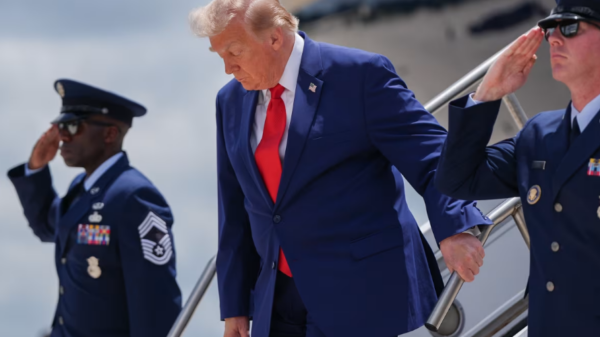
The latest price movement follows media reports, including from the Wall Street Journal, that US President Donald Trump has directed advisers to prepare for an extended blockade of Iran. According to US officials cited in the report, the strategy is aimed at maintaining pressure on Tehran by restricting shipping activity to and from its ports, further limiting its oil exports.
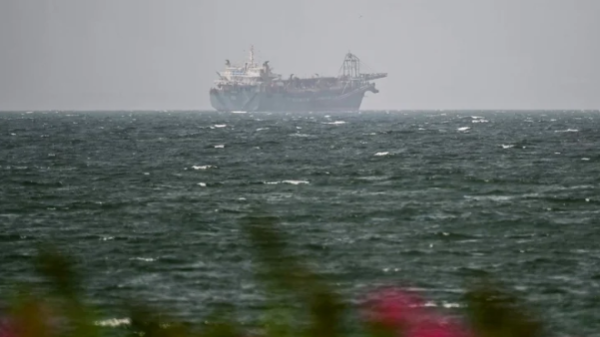
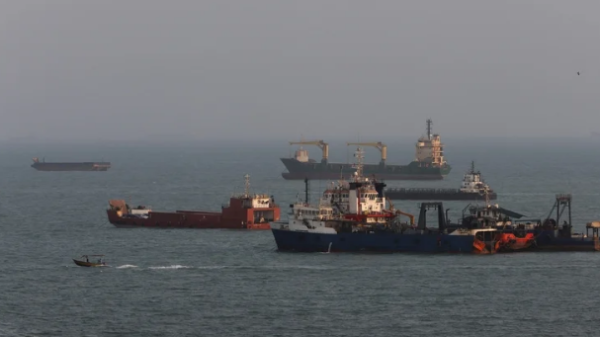
Market analysts say the escalation is reinforcing supply concerns already heightened by the ongoing closure of the Strait of Hormuz, a critical route through which around one-fifth of global oil and liquefied natural gas flows.
“The recent rise in oil prices has been driven by the Strait blockade. If Trump is prepared to extend the blockade, supply disruptions would worsen further and continue to push oil prices higher,” said Yang An, analyst at Haitong Futures.
The geopolitical backdrop remains tense despite a declared ceasefire in the US-Israeli conflict with Iran. Both sides continue to disagree over terms for a lasting settlement, including Iran’s nuclear programme and demands for sanctions relief.
Iran’s closure of the Strait of Hormuz, combined with US restrictions on Iranian ports, has tightened global supply chains and contributed to drawdowns in global oil inventories. Data from the American Petroleum Institute indicated US crude stocks fell by 1.79 million barrels in the week ending April 24, while gasoline and distillate inventories also recorded significant declines.
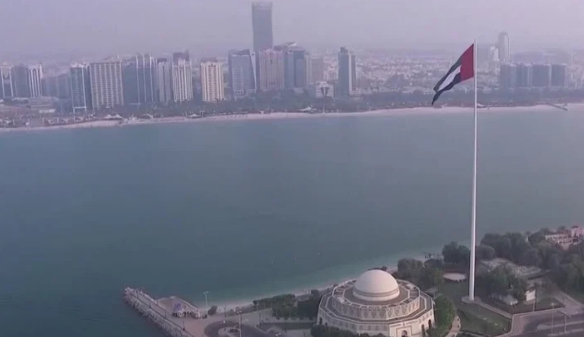
Traders are also assessing the longer-term impact of the United Arab Emirates’ surprise decision to exit OPEC. While some analysts say the move is unlikely to affect supplies immediately, ING economists noted that a resolution in the Gulf allowing free movement through Hormuz would be necessary before any UAE output expansion fully reaches the market.
Despite short-term uncertainty, some forecasts suggest the UAE’s departure could eventually increase global supply, potentially reshaping the oil futures curve in the coming months.
For now, however, markets remain focused on geopolitical risk, with supply disruptions and inventory declines continuing to drive prices higher.