
















Connect with us

Hi, what are you looking for?

News

Cabinet Moves Toward Emergency Fuel Support Package as Nationwide Protests Disrupt Ireland

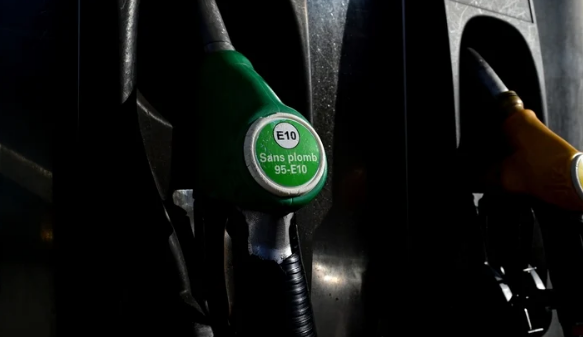
Taoiseach Micheál Martin has chaired a Cabinet meeting where ministers received a detailed update on ongoing negotiations aimed at resolving the escalating fuel crisis affecting hauliers, farmers, and the wider agri-food sector.

Senior ministers, including Justice Minister Jim O’Callaghan and Defence Minister Helen McEntee, also provided a security briefing on the nationwide protests that have disrupted fuel distribution, transport networks, and essential services over recent days.

A Government spokesperson confirmed that discussions included a progress report on intensive talks held throughout the weekend between ministers and sectoral representatives. These meetings focused on shaping a new support package designed to ease the financial burden on industries hit hardest by rising fuel prices.

Negotiations between Government departments and representatives from haulage, farming, fisheries, and agribusiness sectors concluded for the day after extended discussions in Dublin. The proposed package is expected to include a targeted fuel support scheme for hauliers, farmers, and contractors, with direct payments under consideration.

Sources indicate that these payments could be backdated to last month, though officials stressed that any scheme introduced would be temporary and subject to ongoing review in light of global energy volatility.

The Irish Road Haulage Association (IRHA) said it now believes a “basis of a deal” has been reached with Government officials. Deputy Vice President Eugene Drennan said he would recommend acceptance of the proposal to members once it is formally confirmed, noting that the scheme would apply broadly across the haulage sector.

While talks continue, protests have entered their fifth day, with blockades still in place at several fuel facilities and key transport routes. However, Gardaí confirmed that the blockade at the Whitegate oil refinery in Co Cork has now been cleared following a major enforcement operation. A police presence remains in the area to ensure continued access to fuel infrastructure.

Garda Commissioner Justin Kelly said arrests were made during the operation and warned that further enforcement actions may follow in the coming days. He said officers had given protesters advance warning before moving to restore fuel supplies.

In Galway, a significant Garda presence remains at the docks where hundreds of demonstrators continue to gather, although some fuel tankers have resumed movement after days of disruption. In Dublin, blockades have also affected O’Connell Street and surrounding areas, with transport diversions continuing across the city.

Public transport operators have reported ongoing delays and service reductions, while Bus Éireann and Dublin Bus warned passengers to expect disruptions and allow additional travel time. Emergency services have prioritised fuel supplies for ambulances, with Health Minister Jennifer Carroll MacNeill warning of potential knock-on effects for hospital services if blockades persist.

An Garda Síochána has also declared an “exceptional event,” allowing increased deployment of officers and suspension of rest days to manage the situation.

Cabinet is expected to finalise the support package in the coming days, with officials describing the ongoing negotiations as constructive but urgent as pressure mounts to bring an end to the disruption.


Business

Fraudsters are increasingly using AI-generated images and videos to trick people into handing over sensitive personal and financial information, according to FraudSMART, the financial crime awareness initiative operated by the Banking and Payments Federation Ireland (BPFI). The organisation has reported a rise in online adverts promoting fake, State-backed investment schemes. These scams often use fabricated images of well-known politicians and business figures to make the offers appear legitimate and encourage users to click on registration links. Niamh Davenport, head of financial crime at BPFI, said scammers are deliberately exploiting recent media coverage of a planned State-backed savings and investment scheme to give their frauds a sense of credibility. “They often claim the scheme is open to everyone, but that places are limited and being ‘snapped up’ fast, in order to pressure people to act quickly,” she said. “They typically promise guaranteed returns or a guaranteed monthly income.” FraudSMART said that while anyone can be targeted, people in their early 50s are particularly vulnerable to investment scams. This age group is often focused on retirement planning, making them more receptive to financial offers that appear secure or high-yield. According to the organisation, most scams follow a similar pattern. Victims are first directed to click a registration link and complete a short online form providing their contact details. They are then contacted by someone posing as a financial adviser, who urges them to make an immediate “security deposit” to secure participation in the scheme. Once a payment is made, the money is quickly moved through multiple accounts, often overseas, making recovery extremely difficult. Davenport warned that scammers are becoming more sophisticated in their use of technology, particularly AI tools that allow them to create realistic but entirely fake promotional content. These materials are designed to mimic legitimate financial advertisements and build trust with potential victims. Recent figures from An Garda Síochána show investment fraud rose by 20% last year, with losses exceeding €20 million. The scale of individual scams varies widely, ranging from smaller crypto-related frauds involving a few hundred euro to large-scale investment schemes where victims lose tens of thousands. FraudSMART is urging the public to remain cautious when encountering online investment advertisements, especially those promising guaranteed returns or requiring urgent action. It also advises consumers to avoid sharing personal information with unverified sources and to be wary of pressure tactics designed to rush financial decisions. Authorities continue to warn that fraudsters are adapting quickly, using advanced digital tools to target victims across multiple platforms.

Trending

Business

Fraudsters are increasingly using AI-generated images and videos to trick people into handing over sensitive personal and financial information, according to FraudSMART, the financial crime awareness initiative operated by the Banking and Payments Federation Ireland (BPFI). The organisation has reported a rise in online adverts promoting fake, State-backed investment schemes. These scams often use fabricated images of well-known politicians and business figures to make the offers appear legitimate and encourage users to click on registration links. Niamh Davenport, head of financial crime at BPFI, said scammers are deliberately exploiting recent media coverage of a planned State-backed savings and investment scheme to give their frauds a sense of credibility. “They often claim the scheme is open to everyone, but that places are limited and being ‘snapped up’ fast, in order to pressure people to act quickly,” she said. “They typically promise guaranteed returns or a guaranteed monthly income.” FraudSMART said that while anyone can be targeted, people in their early 50s are particularly vulnerable to investment scams. This age group is often focused on retirement planning, making them more receptive to financial offers that appear secure or high-yield. According to the organisation, most scams follow a similar pattern. Victims are first directed to click a registration link and complete a short online form providing their contact details. They are then contacted by someone posing as a financial adviser, who urges them to make an immediate “security deposit” to secure participation in the scheme. Once a payment is made, the money is quickly moved through multiple accounts, often overseas, making recovery extremely difficult. Davenport warned that scammers are becoming more sophisticated in their use of technology, particularly AI tools that allow them to create realistic but entirely fake promotional content. These materials are designed to mimic legitimate financial advertisements and build trust with potential victims. Recent figures from An Garda Síochána show investment fraud rose by 20% last year, with losses exceeding €20 million. The scale of individual scams varies widely, ranging from smaller crypto-related frauds involving a few hundred euro to large-scale investment schemes where victims lose tens of thousands. FraudSMART is urging the public to remain cautious when encountering online investment advertisements, especially those promising guaranteed returns or requiring urgent action. It also advises consumers to avoid sharing personal information with unverified sources and to be wary of pressure tactics designed to rush financial decisions. Authorities continue to warn that fraudsters are adapting quickly, using advanced digital tools to target victims across multiple platforms.

You May Also Like

Politics

WASHINGTON — The Pentagon announced on Sunday that the United States will send a Terminal High Altitude Area Defense (THAAD) battery to Israel, alongside...

Health

NEW YORK — Teen smoking in the United States has reached an all-time low in 2024, with significant declines in overall youth tobacco use,...

Politics

WASHINGTON — As the countdown to the November 5 presidential election continues, former President Donald Trump is urging his supporters to aim for a...

Politics

In September, NASA announced that summer 2024 was the hottest on record. Just days later, the U.S. faced the dual impact of Hurricanes Helene...