















Global oil prices climbed sharply above $90 a barrel on Wednesday after reports emerged that a commercial cargo vessel had been struck by a projectile in the Strait of Hormuz, heightening fears that the escalating conflict involving Iran could disrupt one of the world’s most vital energy shipping routes. Brent crude, the international benchmark, rose to around $92.34 a barrel, reversing earlier losses and adding to the extreme volatility that has gripped energy markets over the past 48 hours.
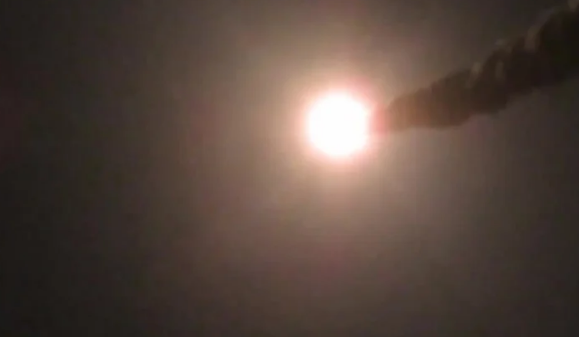
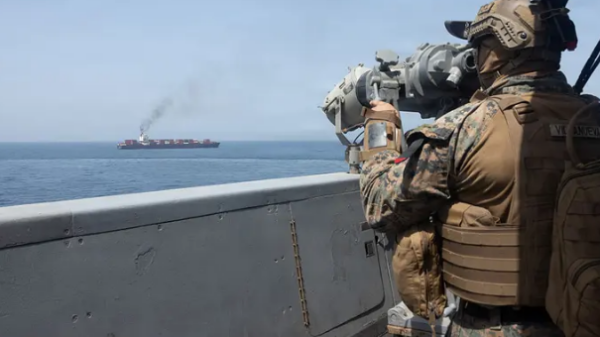
The United Kingdom Maritime Trade Operations (UKMTO) reported that the vessel was hit by an unidentified projectile, causing a fire onboard. The attack is the latest in a string of incidents targeting shipping in the Gulf region, illustrating the growing risks to global oil and gas supply chains.
The Strait of Hormuz, a narrow passage between Iran and the United Arab Emirates that typically handles around 20 per cent of the world’s oil exports, has seen nearly all commercial shipping halt as operators assess the risks of navigating the corridor. Peter Aylott, director of policy at the UK Chamber of Shipping, said the threat of further attacks has effectively paralyzed traffic in the waterway.
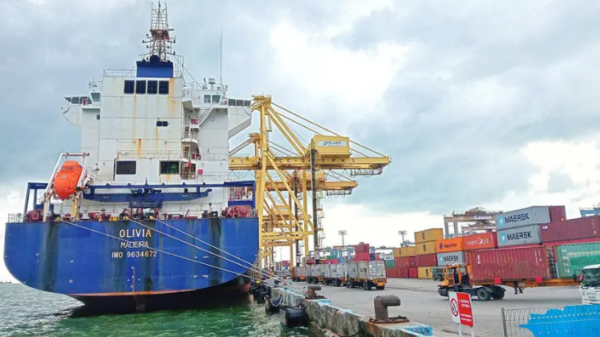
“Shipping passing through the strait has dropped from around 100 vessels per day to fewer than five, and most of those appear to be Iranian ships,” Aylott said. Approximately 1,000 commercial vessels are currently stranded in the Gulf, including an estimated 80 to 90 ships with UK interests. Two other vessels—a bulk carrier and a container ship—were reportedly hit within the past 24 hours, raising concerns that the disruption could deepen if hostilities continue.
Energy markets have swung dramatically as traders weigh the potential duration of the conflict and the possibility of reopening the strait. Brent crude had surged above $118 per barrel earlier this week, its highest level since 2022, before falling to near $80 amid reports that the International Energy Agency (IEA) was considering the largest coordinated release of oil reserves in its history. That plan would surpass the 182 million barrels released in 2022 after Russia’s invasion of Ukraine.
The latest attack quickly shifted sentiment back toward supply fears, with prices rising despite the possibility of emergency reserve releases. Confusion over military protection added to uncertainty when US Energy Secretary Chris Wright briefly claimed on social media that the US Navy had escorted a tanker through the strait, only for officials to clarify that no such escort was in place.
The disruption has already affected European economies. European Commission President Ursula von der Leyen said the conflict has increased the EU’s energy import costs by around €3 billion, with gas prices rising 50 per cent and oil prices up 27 per cent. Analysts warn that if tanker traffic remains restricted, oil prices could rise further, potentially surpassing previous crisis levels and putting additional pressure on global inflation and economic growth.
For now, markets remain caught between hopes for emergency oil releases and the real risk of a prolonged closure of the world’s most critical energy shipping route.