













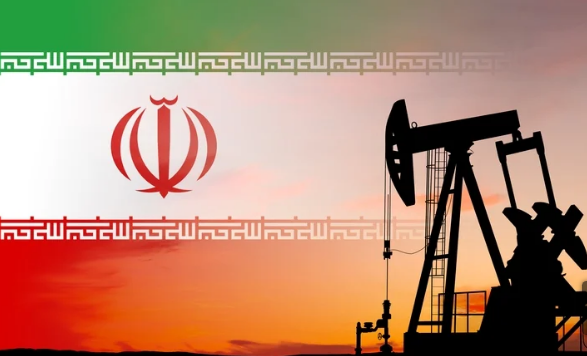
Europe is grappling with rising energy costs as the US-Israeli attacks on Iran disrupt global oil and gas markets, with broader economic and political repercussions across the continent. The conflict has heightened fears over oil supply, inflation, and geopolitical instability.
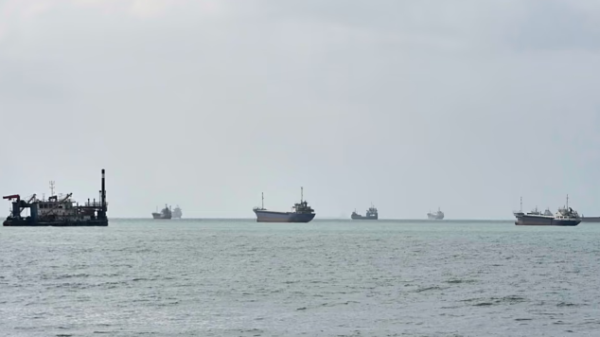
Iran’s newly appointed Supreme Leader, Mojtaba Khamenei, has declared that the Strait of Hormuz, a key waterway through which 20% of the world’s oil flows, will remain closed to shipping. Talks with French and Italian officials aimed at reopening the strait have not produced results. This week, missiles struck five oil vessels in the region, underscoring Tehran’s continuing ability to target Gulf energy infrastructure.
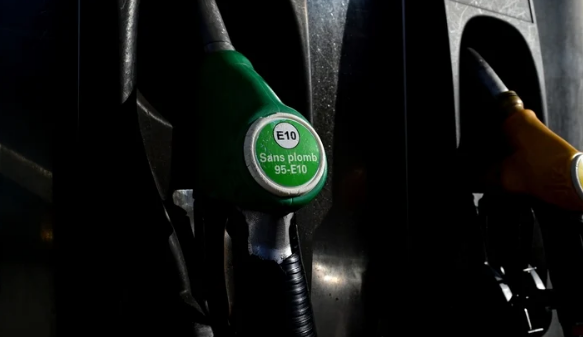
Rising energy costs are already affecting European households. Oxford Economics warned that Brent crude averaging $140 per barrel over several months could significantly reduce real disposable income, raise transportation and food costs, and trigger lasting inflationary effects. Retail electricity prices in Europe are currently around 36% higher than the 2014–2020 average, a situation worsened by the Iran conflict.
EU leaders are set to address the issue during a summit in Brussels next Thursday. Discussions will focus on electricity pricing, including the cost of gas for power generation, grid charges, taxes and levies, and carbon pricing under the Emissions Trading System (ETS). Variations across member states mean prices differ widely. For example, average spot market electricity prices for 2025 are projected at €61–66 per megawatt hour in France, Spain, and Portugal, while Ireland faces prices of over €114, and northern Italy exceeds €115.
The disparities largely reflect energy mix differences. France relies on nuclear power, Spain and Portugal on renewables, and Ireland on gas. Efforts to expand renewable infrastructure face challenges, including high grid costs, political resistance, and the technical complexity of integrating intermittent sources like wind and solar. The Celtic Interconnector linking Ireland to France is expected to bring cheaper nuclear energy by 2028, while offshore wind and solar will further diversify supply by the early 2030s.
The European Commission plans proposals to improve efficiency and lower costs, such as smart meters that allow households to use electricity when prices are lower, and faster switching between energy providers. EU Energy Commissioner Dan Jørgensen urged governments to reduce taxes and levies on electricity, which could save households around €200 per year.
Energy dependence remains a geopolitical concern. While Europe reduced reliance on Russian oil and gas after Moscow’s invasion of Ukraine in 2022, the EU now risks increasing dependence on US liquefied natural gas exports. Analysts warn that maintaining high storage levels and reducing gas and oil demand are critical to limit exposure to price volatility.
Experts warn that the conflict in Iran could have prolonged effects. “A prolonged and escalating conflict could spark a global energy crunch,” said Thijs van de Graaf, associate professor at Ghent University. With the Strait of Hormuz still threatened and oil markets highly sensitive, Europe faces months of uncertainty, and households may continue to pay the price of geopolitical tensions far from their borders.