















Oil prices surged sharply this morning, with Brent crude topping $108 per barrel and West Texas Intermediate (WTI) rising above $105, marking gains of more than 15% since yesterday. The spike comes as major producers cut output and fears of prolonged shipping disruptions weigh on global markets amid the escalating US-Israeli conflict with Iran.
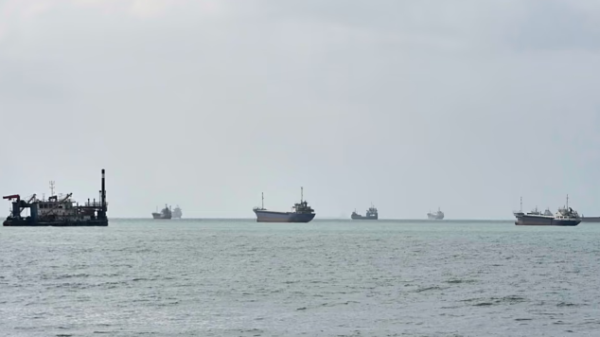
Brent crude futures were up $15.51, or 16.7%, while WTI rose $14.23, or 15.7%. Last week, Brent had already climbed 27% and WTI by 35.6%, bringing prices to levels not seen since mid-2022. Analysts say the current surge reflects growing concerns over supply bottlenecks through the Strait of Hormuz, a key route through which roughly one-fifth of the world’s oil normally passes.
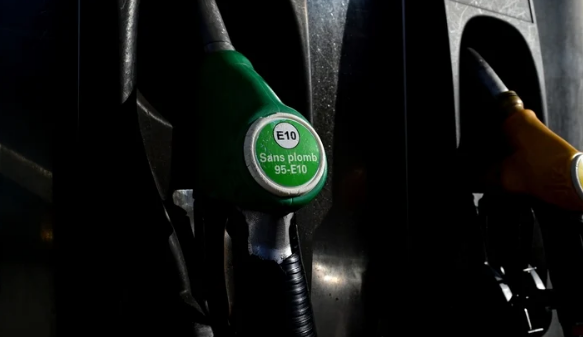
European gas prices also jumped, with the Dutch TTF benchmark contract reaching €69.50 before paring some gains. The rise in energy costs has contributed to higher home heating oil and fuel prices across Ireland. A fill of 500 litres of heating oil increased from less than €500 to €833 in the past week, while petrol and diesel prices climbed to €1.80–€2 per litre at service stations.
Iraq and Kuwait have already cut oil production, while Qatar reduced liquefied natural gas shipments earlier, compounding supply concerns. Analysts expect the United Arab Emirates and Saudi Arabia may soon follow, as storage capacity reaches limits.
The crisis deepened with the appointment of Mojtaba Khamenei as Iran’s new supreme leader, succeeding his father Ali Khamenei. Experts say the move signals continued hardline control in Tehran and suggests Iran may maintain restrictions on the Strait of Hormuz and continue attacks on regional oil infrastructure.
Industry analysts warn that even a short-lived conflict could leave consumers and businesses facing weeks or months of elevated fuel prices due to damaged facilities, disrupted logistics, and heightened shipping risks. Iraqi oil production has reportedly fallen by 70% from its main southern fields to just 1.3 million barrels per day because exports through the Strait of Hormuz have been blocked. Kuwait Petroleum Corporation has also declared force majeure on shipments after reducing output.
The conflict has already caused incidents across the region, including a fire at the Fujairah oil zone in the UAE and drone attacks intercepted by Saudi Arabia near the Shaybah oilfield.
European finance ministers are set to meet at the Eurogroup in Brussels to discuss the economic impact of rising energy prices. Irish ministers, including Tánaiste and Finance Minister Simon Harris, highlighted the challenge of soaring costs for households and industry, emphasizing the importance of energy security and diversification.
US lawmakers are also responding to the spike. Senate Democratic Leader Chuck Schumer called on President Donald Trump to release oil from the Strategic Petroleum Reserve to stabilise markets and ease domestic price pressures, as geopolitical tensions continue to disrupt the global energy supply chain.