











Connect with us

Hi, what are you looking for?

World

Gas Prices Spike Across U.S. Amid Strait of Hormuz Tensions and Gulf Strikes

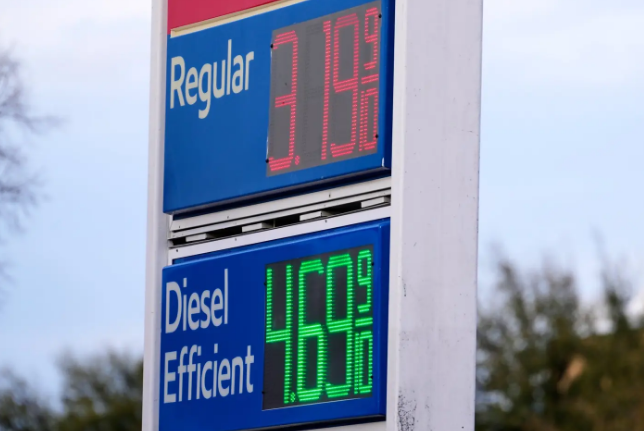
Gasoline prices in the United States surged sharply over the past week as tensions in the Middle East disrupted global oil flows. The national average for a gallon of regular gasoline climbed 14 percent to $3.41 on Saturday, according to the AAA motor club. Just a week ago, the price had been below $3. The rise reflects supply constraints following the U.S.-Israeli military action in Iran and subsequent threats to critical shipping routes.

Crude oil prices have jumped above $90 a barrel as the conflict has effectively halted oil shipments through the Strait of Hormuz, a key waterway off Iran through which roughly 20 percent of the world’s crude oil and natural gas normally passes. While Iranian officials said on Saturday that the strait remains open to all traffic except U.S. and Israeli vessels, the number of tankers passing through has reportedly dropped to zero since Wednesday, according to Reuters.

The situation has been compounded by Iranian missile attacks on oil and gas infrastructure in Gulf countries hosting U.S. military bases, including Saudi Arabia, Qatar, and the United Arab Emirates. These strikes have limited production and added upward pressure on global energy prices.

“The last time the national average made a similar weekly jump was back in March of 2022 during the start of the Russia-Ukraine conflict,” the AAA said. Analysts warn that gas prices could rise even higher, with U.S. averages potentially approaching $3.80 per gallon if crude oil stays above current levels.

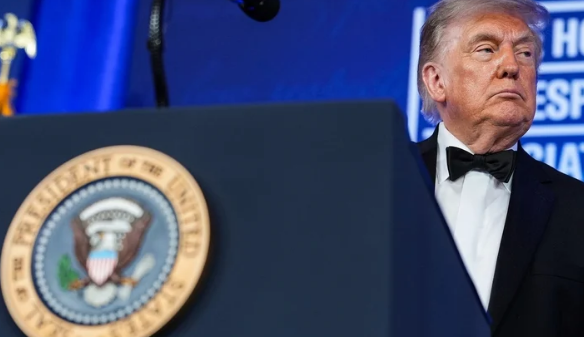
President Donald Trump addressed the rising prices in remarks this week, downplaying concerns. “I don’t have any concern about it,” he told Reuters. “They’ll drop very rapidly when this is over, and if they rise, they rise, but this is far more important than having gasoline prices go up a little bit.”

Trump’s administration has previously emphasised energy affordability as a campaign issue. In his recent State of the Union address, he highlighted low gas prices under his tenure, claiming averages below $2.30 per gallon in most states and as low as $1.85 in parts of Iowa.

The federal government has moved to address supply disruptions. Treasury Secretary Scott Bessent issued a 30-day waiver on U.S. sanctions for the sale of Russian oil to India, allowing oil already stranded at sea to be sold without providing financial benefit to Russia. White House spokeswoman Taylor Rogers also said the administration is taking measures to stabilise the market, including providing political risk insurance for cargo ships in the Gulf, offering naval escorts if needed, and temporarily releasing sanctioned oil into global markets.

With tensions in the Gulf continuing and tanker traffic through the Strait of Hormuz remaining restricted, U.S. drivers may face sustained pressure at the pump in the coming weeks, analysts warn, even as the government pursues measures to mitigate supply shortages.

Business

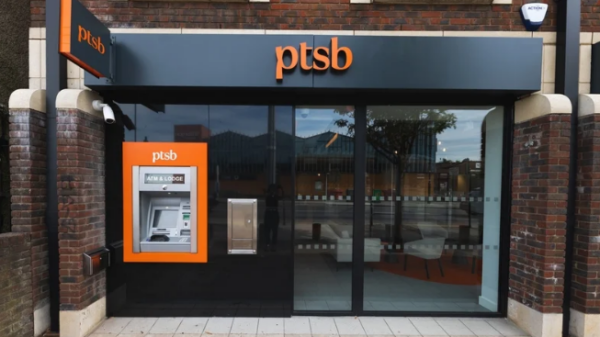
Fraudsters are increasingly using AI-generated images and videos to trick people into handing over sensitive personal and financial information, according to FraudSMART, the financial crime awareness initiative operated by the Banking and Payments Federation Ireland (BPFI). The organisation has reported a rise in online adverts promoting fake, State-backed investment schemes. These scams often use fabricated images of well-known politicians and business figures to make the offers appear legitimate and encourage users to click on registration links. Niamh Davenport, head of financial crime at BPFI, said scammers are deliberately exploiting recent media coverage of a planned State-backed savings and investment scheme to give their frauds a sense of credibility. “They often claim the scheme is open to everyone, but that places are limited and being ‘snapped up’ fast, in order to pressure people to act quickly,” she said. “They typically promise guaranteed returns or a guaranteed monthly income.” FraudSMART said that while anyone can be targeted, people in their early 50s are particularly vulnerable to investment scams. This age group is often focused on retirement planning, making them more receptive to financial offers that appear secure or high-yield. According to the organisation, most scams follow a similar pattern. Victims are first directed to click a registration link and complete a short online form providing their contact details. They are then contacted by someone posing as a financial adviser, who urges them to make an immediate “security deposit” to secure participation in the scheme. Once a payment is made, the money is quickly moved through multiple accounts, often overseas, making recovery extremely difficult. Davenport warned that scammers are becoming more sophisticated in their use of technology, particularly AI tools that allow them to create realistic but entirely fake promotional content. These materials are designed to mimic legitimate financial advertisements and build trust with potential victims. Recent figures from An Garda Síochána show investment fraud rose by 20% last year, with losses exceeding €20 million. The scale of individual scams varies widely, ranging from smaller crypto-related frauds involving a few hundred euro to large-scale investment schemes where victims lose tens of thousands. FraudSMART is urging the public to remain cautious when encountering online investment advertisements, especially those promising guaranteed returns or requiring urgent action. It also advises consumers to avoid sharing personal information with unverified sources and to be wary of pressure tactics designed to rush financial decisions. Authorities continue to warn that fraudsters are adapting quickly, using advanced digital tools to target victims across multiple platforms.

Trending

Business

Fraudsters are increasingly using AI-generated images and videos to trick people into handing over sensitive personal and financial information, according to FraudSMART, the financial crime awareness initiative operated by the Banking and Payments Federation Ireland (BPFI). The organisation has reported a rise in online adverts promoting fake, State-backed investment schemes. These scams often use fabricated images of well-known politicians and business figures to make the offers appear legitimate and encourage users to click on registration links. Niamh Davenport, head of financial crime at BPFI, said scammers are deliberately exploiting recent media coverage of a planned State-backed savings and investment scheme to give their frauds a sense of credibility. “They often claim the scheme is open to everyone, but that places are limited and being ‘snapped up’ fast, in order to pressure people to act quickly,” she said. “They typically promise guaranteed returns or a guaranteed monthly income.” FraudSMART said that while anyone can be targeted, people in their early 50s are particularly vulnerable to investment scams. This age group is often focused on retirement planning, making them more receptive to financial offers that appear secure or high-yield. According to the organisation, most scams follow a similar pattern. Victims are first directed to click a registration link and complete a short online form providing their contact details. They are then contacted by someone posing as a financial adviser, who urges them to make an immediate “security deposit” to secure participation in the scheme. Once a payment is made, the money is quickly moved through multiple accounts, often overseas, making recovery extremely difficult. Davenport warned that scammers are becoming more sophisticated in their use of technology, particularly AI tools that allow them to create realistic but entirely fake promotional content. These materials are designed to mimic legitimate financial advertisements and build trust with potential victims. Recent figures from An Garda Síochána show investment fraud rose by 20% last year, with losses exceeding €20 million. The scale of individual scams varies widely, ranging from smaller crypto-related frauds involving a few hundred euro to large-scale investment schemes where victims lose tens of thousands. FraudSMART is urging the public to remain cautious when encountering online investment advertisements, especially those promising guaranteed returns or requiring urgent action. It also advises consumers to avoid sharing personal information with unverified sources and to be wary of pressure tactics designed to rush financial decisions. Authorities continue to warn that fraudsters are adapting quickly, using advanced digital tools to target victims across multiple platforms.

You May Also Like

Politics

WASHINGTON — The Pentagon announced on Sunday that the United States will send a Terminal High Altitude Area Defense (THAAD) battery to Israel, alongside...

Health

NEW YORK — Teen smoking in the United States has reached an all-time low in 2024, with significant declines in overall youth tobacco use,...

Politics

WASHINGTON — As the countdown to the November 5 presidential election continues, former President Donald Trump is urging his supporters to aim for a...

Politics

In September, NASA announced that summer 2024 was the hottest on record. Just days later, the U.S. faced the dual impact of Hurricanes Helene...