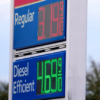













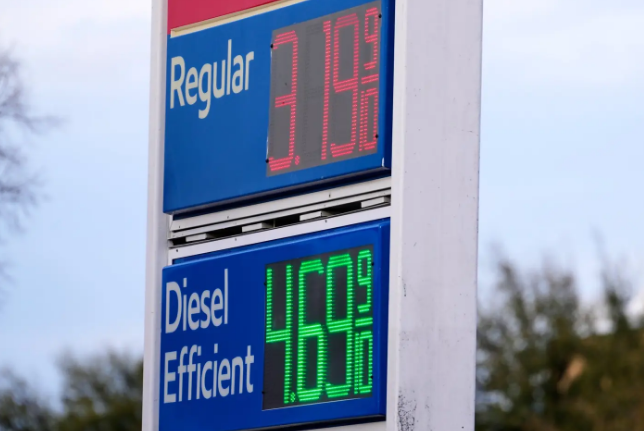
Gasoline prices in the United States surged sharply over the past week as tensions in the Middle East disrupted global oil flows. The national average for a gallon of regular gasoline climbed 14 percent to $3.41 on Saturday, according to the AAA motor club. Just a week ago, the price had been below $3. The rise reflects supply constraints following the U.S.-Israeli military action in Iran and subsequent threats to critical shipping routes.
Crude oil prices have jumped above $90 a barrel as the conflict has effectively halted oil shipments through the Strait of Hormuz, a key waterway off Iran through which roughly 20 percent of the world’s crude oil and natural gas normally passes. While Iranian officials said on Saturday that the strait remains open to all traffic except U.S. and Israeli vessels, the number of tankers passing through has reportedly dropped to zero since Wednesday, according to Reuters.
The situation has been compounded by Iranian missile attacks on oil and gas infrastructure in Gulf countries hosting U.S. military bases, including Saudi Arabia, Qatar, and the United Arab Emirates. These strikes have limited production and added upward pressure on global energy prices.
“The last time the national average made a similar weekly jump was back in March of 2022 during the start of the Russia-Ukraine conflict,” the AAA said. Analysts warn that gas prices could rise even higher, with U.S. averages potentially approaching $3.80 per gallon if crude oil stays above current levels.
President Donald Trump addressed the rising prices in remarks this week, downplaying concerns. “I don’t have any concern about it,” he told Reuters. “They’ll drop very rapidly when this is over, and if they rise, they rise, but this is far more important than having gasoline prices go up a little bit.”
Trump’s administration has previously emphasised energy affordability as a campaign issue. In his recent State of the Union address, he highlighted low gas prices under his tenure, claiming averages below $2.30 per gallon in most states and as low as $1.85 in parts of Iowa.
The federal government has moved to address supply disruptions. Treasury Secretary Scott Bessent issued a 30-day waiver on U.S. sanctions for the sale of Russian oil to India, allowing oil already stranded at sea to be sold without providing financial benefit to Russia. White House spokeswoman Taylor Rogers also said the administration is taking measures to stabilise the market, including providing political risk insurance for cargo ships in the Gulf, offering naval escorts if needed, and temporarily releasing sanctioned oil into global markets.
With tensions in the Gulf continuing and tanker traffic through the Strait of Hormuz remaining restricted, U.S. drivers may face sustained pressure at the pump in the coming weeks, analysts warn, even as the government pursues measures to mitigate supply shortages.