















Connect with us

Hi, what are you looking for?

Politics

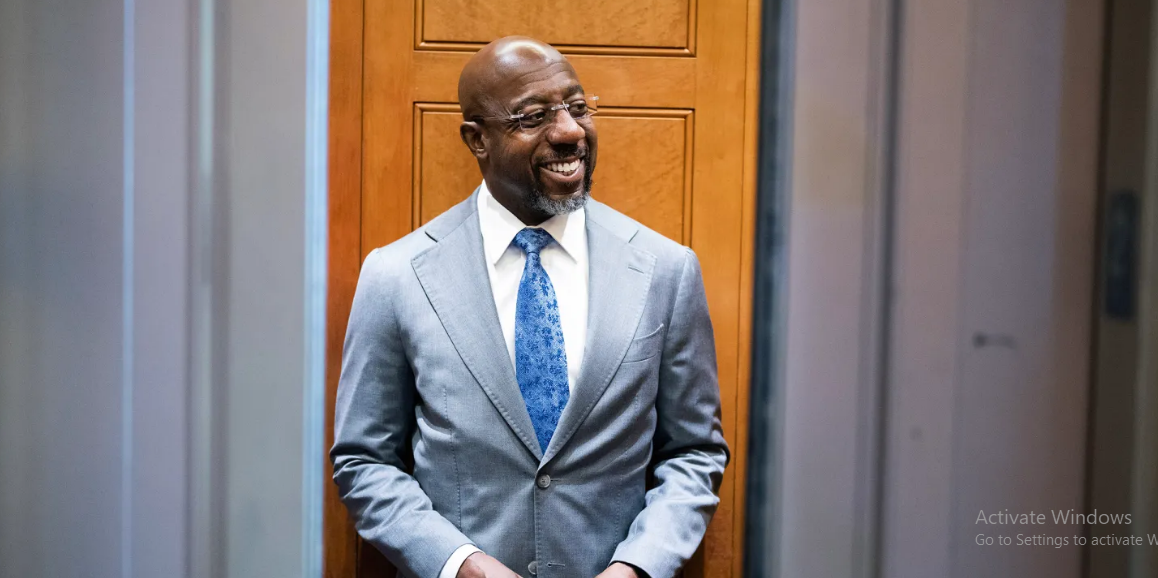
Sen. Raphael Warnock Reflects on His Journey in the Senate, Championing Racial Equity and Bipartisanship

Senator Raphael Warnock begins his day in the U.S. Capitol with a moment of reflection. As he enters his office on the fourth floor, he often finds himself questioning whether he is sleepwalking. After all, when Warnock was born, there had only been one Black senator elected since Reconstruction. His home state of Georgia had never sent someone who looked like him to the upper chamber of Congress. A first-generation college graduate and the 11th of 12 children born into a family that relied on programs like Head Start, Warnock’s journey to the Senate is far from typical.

As Warnock makes his way to his office, he passes a statue of the man after whom the office building is named — a staunch segregationist from Georgia. Despite this historical reminder, Warnock, 55, has used his position in the Senate to work tirelessly toward racial equity. This legislative session has seen a record number of Black lawmakers, with Warnock standing at the forefront of efforts to close racial gaps in areas like health care and agriculture.

Despite the challenges of working in a deeply polarized Congress, Warnock has achieved notable successes. He secured recovery funds for Georgia’s Black farmers, who have long been excluded from federal aid, following the devastation of Hurricane Helene. He has also been a key advocate for capping the costs of insulin for seniors and increasing funding for diabetes research, a disease that disproportionately affects Black Americans. Looking ahead, Warnock is focused on expanding insulin price caps to cover more Americans and renewing tax breaks for families with children.

Warnock’s legislative agenda is deeply rooted in his experience as the senior pastor of Ebenezer Baptist Church in Atlanta, where Dr. Martin Luther King Jr. once preached. It’s also why his colleagues on Capitol Hill often refer to him as “The Reverend Senator Warnock” with respect, not irony. Each Sunday, he continues to preach from the same pulpit that King once stood at, drawing on his spiritual and moral beliefs to inform his work in the Senate. Warnock believes that investing in children, especially those from poor backgrounds, strengthens the future of the nation and ensures that the 21st century can be just as prosperous as the 20th.

Though politics may now define his career, Warnock never intended to enter this field. He had never set foot inside a Capitol Hill building until the first Trump Administration, when he traveled to Washington to protest tax cuts that he believed would harm health care and farm subsidies. Warnock was arrested in 2017 for praying in the Capitol Rotunda with other clergy members.

Now serving on the Agriculture Committee, he chuckles at the irony. “I was an activist fighting for a better farm bill, and got arrested doing so. Now, I’m helping to write the farm bill,” he says, though he acknowledges progress is slower than he’d like. Nevertheless, Warnock remains determined to work toward a fairer, more equitable future for all Americans.


Business

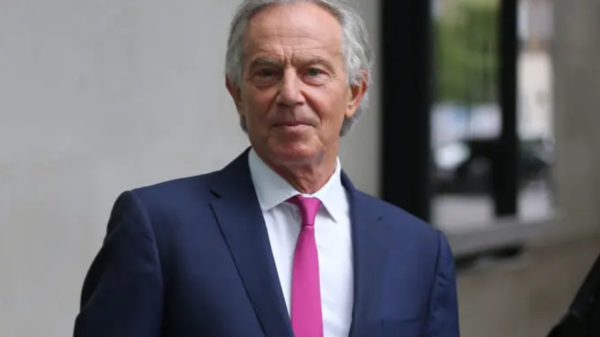
Fraudsters are increasingly using AI-generated images and videos to trick people into handing over sensitive personal and financial information, according to FraudSMART, the financial crime awareness initiative operated by the Banking and Payments Federation Ireland (BPFI). The organisation has reported a rise in online adverts promoting fake, State-backed investment schemes. These scams often use fabricated images of well-known politicians and business figures to make the offers appear legitimate and encourage users to click on registration links. Niamh Davenport, head of financial crime at BPFI, said scammers are deliberately exploiting recent media coverage of a planned State-backed savings and investment scheme to give their frauds a sense of credibility. “They often claim the scheme is open to everyone, but that places are limited and being ‘snapped up’ fast, in order to pressure people to act quickly,” she said. “They typically promise guaranteed returns or a guaranteed monthly income.” FraudSMART said that while anyone can be targeted, people in their early 50s are particularly vulnerable to investment scams. This age group is often focused on retirement planning, making them more receptive to financial offers that appear secure or high-yield. According to the organisation, most scams follow a similar pattern. Victims are first directed to click a registration link and complete a short online form providing their contact details. They are then contacted by someone posing as a financial adviser, who urges them to make an immediate “security deposit” to secure participation in the scheme. Once a payment is made, the money is quickly moved through multiple accounts, often overseas, making recovery extremely difficult. Davenport warned that scammers are becoming more sophisticated in their use of technology, particularly AI tools that allow them to create realistic but entirely fake promotional content. These materials are designed to mimic legitimate financial advertisements and build trust with potential victims. Recent figures from An Garda Síochána show investment fraud rose by 20% last year, with losses exceeding €20 million. The scale of individual scams varies widely, ranging from smaller crypto-related frauds involving a few hundred euro to large-scale investment schemes where victims lose tens of thousands. FraudSMART is urging the public to remain cautious when encountering online investment advertisements, especially those promising guaranteed returns or requiring urgent action. It also advises consumers to avoid sharing personal information with unverified sources and to be wary of pressure tactics designed to rush financial decisions. Authorities continue to warn that fraudsters are adapting quickly, using advanced digital tools to target victims across multiple platforms.

Trending

Business

Fraudsters are increasingly using AI-generated images and videos to trick people into handing over sensitive personal and financial information, according to FraudSMART, the financial crime awareness initiative operated by the Banking and Payments Federation Ireland (BPFI). The organisation has reported a rise in online adverts promoting fake, State-backed investment schemes. These scams often use fabricated images of well-known politicians and business figures to make the offers appear legitimate and encourage users to click on registration links. Niamh Davenport, head of financial crime at BPFI, said scammers are deliberately exploiting recent media coverage of a planned State-backed savings and investment scheme to give their frauds a sense of credibility. “They often claim the scheme is open to everyone, but that places are limited and being ‘snapped up’ fast, in order to pressure people to act quickly,” she said. “They typically promise guaranteed returns or a guaranteed monthly income.” FraudSMART said that while anyone can be targeted, people in their early 50s are particularly vulnerable to investment scams. This age group is often focused on retirement planning, making them more receptive to financial offers that appear secure or high-yield. According to the organisation, most scams follow a similar pattern. Victims are first directed to click a registration link and complete a short online form providing their contact details. They are then contacted by someone posing as a financial adviser, who urges them to make an immediate “security deposit” to secure participation in the scheme. Once a payment is made, the money is quickly moved through multiple accounts, often overseas, making recovery extremely difficult. Davenport warned that scammers are becoming more sophisticated in their use of technology, particularly AI tools that allow them to create realistic but entirely fake promotional content. These materials are designed to mimic legitimate financial advertisements and build trust with potential victims. Recent figures from An Garda Síochána show investment fraud rose by 20% last year, with losses exceeding €20 million. The scale of individual scams varies widely, ranging from smaller crypto-related frauds involving a few hundred euro to large-scale investment schemes where victims lose tens of thousands. FraudSMART is urging the public to remain cautious when encountering online investment advertisements, especially those promising guaranteed returns or requiring urgent action. It also advises consumers to avoid sharing personal information with unverified sources and to be wary of pressure tactics designed to rush financial decisions. Authorities continue to warn that fraudsters are adapting quickly, using advanced digital tools to target victims across multiple platforms.

You May Also Like

Politics

WASHINGTON — The Pentagon announced on Sunday that the United States will send a Terminal High Altitude Area Defense (THAAD) battery to Israel, alongside...

Health

NEW YORK — Teen smoking in the United States has reached an all-time low in 2024, with significant declines in overall youth tobacco use,...

Politics

WASHINGTON — As the countdown to the November 5 presidential election continues, former President Donald Trump is urging his supporters to aim for a...

Politics

In September, NASA announced that summer 2024 was the hottest on record. Just days later, the U.S. faced the dual impact of Hurricanes Helene...