




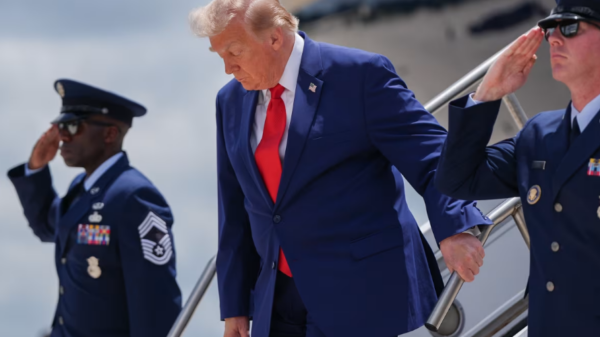






The United States is preparing new military operations targeting Venezuela and President Nicolás Maduro, as the Trump Administration escalates its campaign against the Latin American nation over alleged involvement in the international narcotics trade, Reuters reported over the weekend.
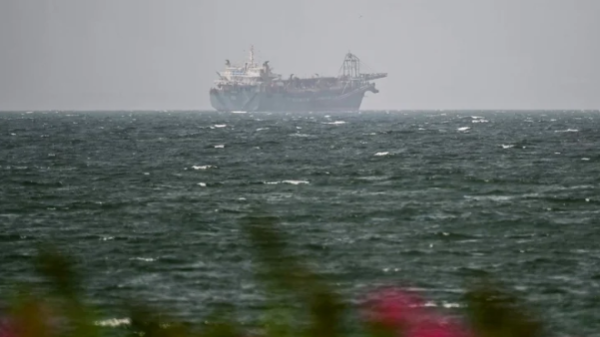
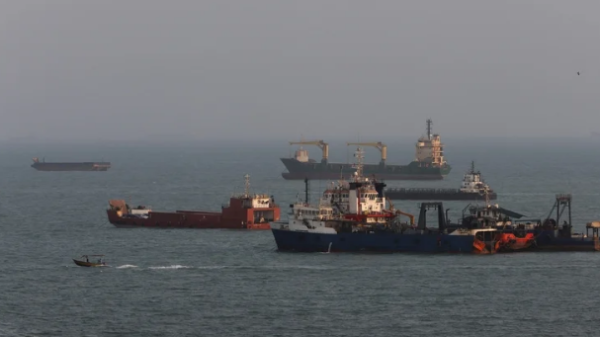
Since September 2, U.S. strikes on suspected drug vessels in the Caribbean have reportedly killed at least 83 people, prompting questions over the legality of the operations and whether the Administration is seeking to shift domestic political pressures abroad.
Defense Secretary Pete Hegseth said Friday that the U.S. now has “new options” following the State Department’s designation of Venezuela’s Cartel de los Soles as a terrorist organization. “Nothing is off the table,” Hegseth said, including potential land-based operations. The designation has fueled speculation that regime change in Caracas could be an ultimate goal, as successive U.S. administrations have refused to recognize Maduro’s latest election as legitimate.
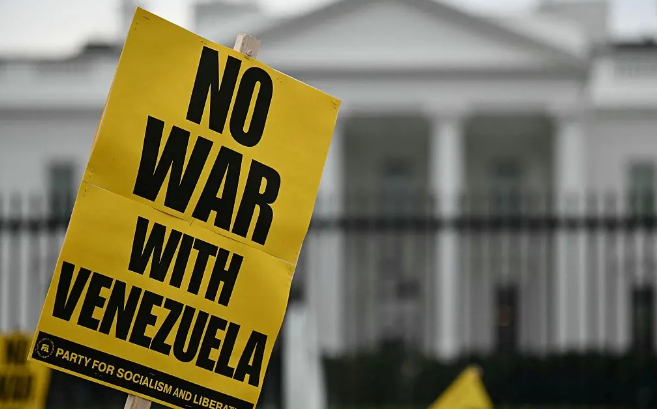
Despite the Administration’s moves, public opinion in the U.S. is largely opposed to military action. A CBS News/YouGov poll conducted from November 19-21 found that 70% of Americans oppose U.S. military intervention in Venezuela, with 56% believing it would not reduce the flow of drugs into the country. A Reuters/Ipsos survey conducted in November also indicated that most Americans see the risks of military action outweighing the benefits, though support is divided along party lines, with Republicans generally more supportive.
Some Republican lawmakers have voiced concern over the Administration’s approach. Senator Rand Paul of Kentucky warned that any invasion of Venezuela could fracture support for President Trump within the GOP. Paul, who joined Alaska Senator Lisa Murkowski in attempting to require congressional approval before further military action, criticized the recent terrorist designation. “I think by doing this, they’re pretending as if we are at war,” Paul said on CBS News, adding that the move gives the Administration the appearance of authority to act unilaterally.
Other Republicans have expressed caution without directly rebuking the White House. Senator Todd Young of Indiana, who voted against the legislation proposed by Paul and Murkowski, said he was “troubled by many aspects and assumptions of this operation” and questioned whether it aligned with public sentiment for a less interventionist U.S. military role.
Mexico-based academic Juan Manuel Trak said the terrorist designation creates the perception that an attack on Venezuela could be imminent. President Trump indicated last week that while the designation expands U.S. military options, he remains open to direct talks with Maduro to pursue a diplomatic resolution.
The escalating tension has intensified debate over the U.S. role in Latin America, the legality of targeting foreign vessels, and the potential consequences of further military involvement in the region, at a time when domestic political scrutiny is intensifying.