

















Britain’s top finance executives have shifted into a defensive stance as the economic shockwaves from the war in Iran drive business confidence down to levels last seen during the early months of the Covid-19 pandemic.
Two key indicators of corporate sentiment—Deloitte’s monthly CFO survey and BDO’s output index—show a business landscape preparing for prolonged instability rather than recovery or expansion. Across boardrooms, the prevailing strategy is to preserve cash, reduce spending, and delay investment decisions until global conditions stabilise.
Deloitte’s survey recorded CFO confidence at a six-year low, with geopolitical risk identified as the dominant external concern. Ian Stewart, chief economist at Deloitte, said the conflict in the Middle East has delivered a significant shock to sentiment, reversing recent gains in optimism and pushing expectations back to crisis-era lows.
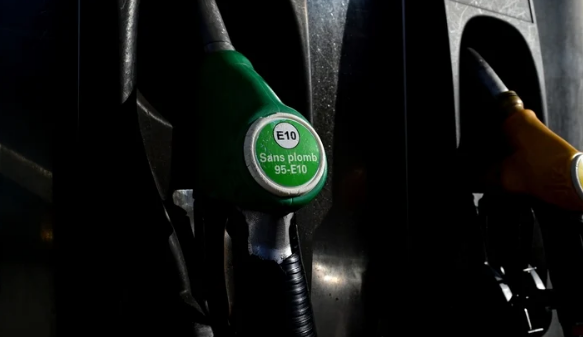
BDO’s latest data reflects similar strain in the wider economy. Business output fell for the first time since February 2021, with both manufacturing and services sectors weakening. The firm linked the downturn to rising energy and commodity costs, which briefly eased during a short-lived ceasefire but have since resumed their upward trajectory.
The economic impact is increasingly visible across supply chains and consumer behaviour. Higher input costs are squeezing manufacturers’ margins, while households and firms are responding to inflationary pressure by cutting back on spending. According to Deloitte, business leaders are most concerned about the effects of the conflict on energy prices, inflation, and interest rates, all of which are expected to remain elevated through the year. Cybersecurity threats, including the risk of state-linked attacks, are also weighing on sentiment.
The labour market is showing further signs of strain. BDO’s employment index has fallen to a 15-year low, with companies signalling reduced appetite for hiring amid cost pressures. The firm expects recruitment activity to remain subdued well into 2026. A separate survey from KPMG and the Recruitment and Employment Confederation found continued declines in permanent job placements, although the rate of contraction has slowed. Wage growth remains weak, described by analysts as marginal.
Despite the bleak outlook, there are tentative signs of stabilisation. KPMG chief executive Jon Holt suggested that the sustained decline in hiring may be nearing a floor. However, he cautioned that any recovery depends heavily on clearer geopolitical conditions and greater certainty in energy markets.
For now, finance leaders across the FTSE 100 and FTSE 250 are prioritising balance sheet strength over expansion. Deloitte reports that most CFOs are planning to reduce spending and scale back recruitment in the months ahead. Ian Stewart noted that such a widespread focus on cost control has rarely been seen over the past decade and a half.
While the response is measured rather than panicked, it reflects a corporate sector waiting for geopolitical and energy market volatility to subside before considering a return to growth.