









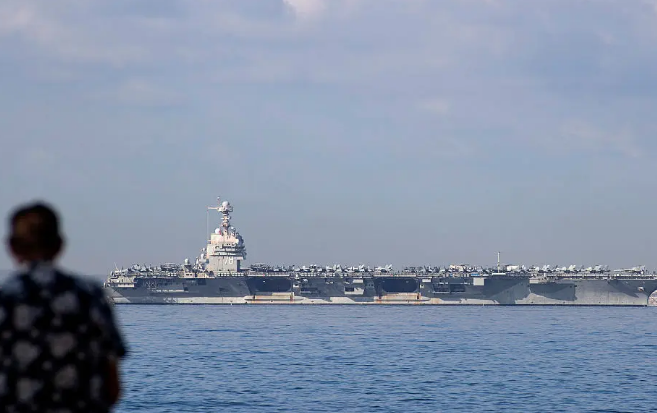
The U.S.S. Gerald R. Ford, the most advanced aircraft carrier in the U.S. Navy, has arrived in the Latin American region, marking a major escalation of American military presence near Venezuela, Pentagon officials said Tuesday. The deployment follows months of build-up, including eight warships, a nuclear submarine, F-35 jets, and around 10,000 personnel already in the area.
The Pentagon described the carrier’s mission as enhancing efforts to disrupt narcotics trafficking and dismantle transnational criminal organisations. The Trump Administration has repeatedly claimed that Venezuelan authorities are supporting these groups, though no evidence has been publicly released linking the targeted vessels to drug smuggling.
Since September, U.S. forces have conducted multiple strikes against alleged cartel boats near Venezuelan waters, resulting in more than 75 deaths. These operations have raised tensions, prompting the Venezuelan government to increase military readiness and prepare defensive measures against potential land strikes. President Donald Trump has denied seeking regime change, but has consistently criticised Venezuelan President Nicolas Maduro as illegitimate.
Venezuela has responded with heightened military alert. Defense Minister Vladimir Padrino López announced that all military assets, including land, air, riverine, and missile units, as well as the nation’s militia, would be on “full operational readiness.” Padrino López stressed that Venezuela does not want war but will respond to perceived aggression with national unity. The deployment is part of Maduro’s “Independence Plan 200,” aimed at countering what he calls imperial threats.
The Venezuelan government has also been mobilising civilians. A militia force known as the “peasant militia,” first established under former President Hugo Chavez, has been trained to assist in national defense. Officials have reportedly prepared for a guerrilla-style resistance, deploying smaller military units across more than 280 locations to respond in the event of an invasion. Strategies under consideration also include “anarchization,” using intelligence networks and civilian supporters to create internal disruption if the government faces overthrow.
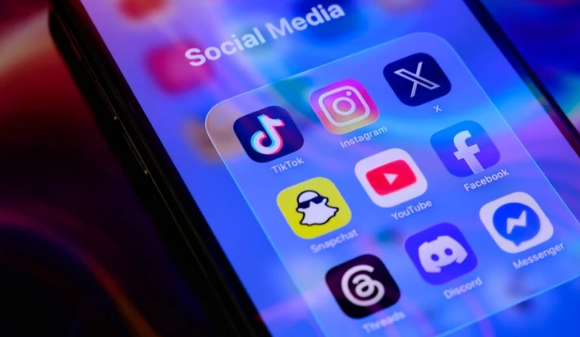
Venezuelan authorities are also using technology to monitor potential threats. An app, originally designed for reporting utility problems, has been repurposed for citizens to report suspicious activity, including drones or individuals perceived as disloyal.
In addition, Venezuela has sought foreign support to strengthen its military capabilities, requesting defensive radars, aircraft repairs, and missiles from allies such as China, Iran, and Russia. Moscow has stated it is ready to respond to the requests. Analysts, however, warn that Venezuelan forces face significant challenges due to poorly maintained equipment, limiting their ability to confront a highly advanced U.S. military force.
The arrival of the U.S.S. Gerald R. Ford signals a sharp increase in U.S. pressure on Venezuela, raising concerns that the region could face heightened instability if tensions escalate further.