














Connect with us

Hi, what are you looking for?

Politics

Trump’s Cabinet Selections Reflect Loyalty Over Expertise as He Fills Key Roles

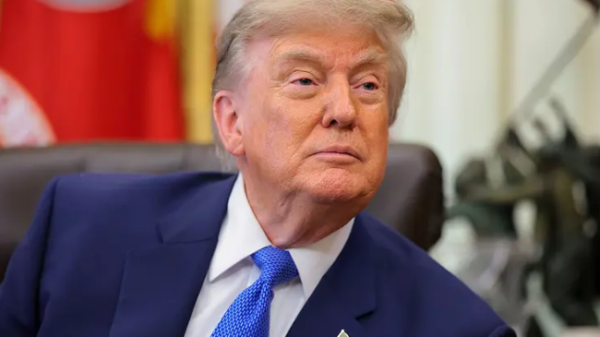
As President-elect Donald Trump prepares for a second term, his approach to staffing his administration is taking a sharp turn from the first. This time, Trump is placing a premium on loyalty, assembling a diverse and often unconventional team to carry out his will, according to aides and political analysts.

Trump’s first term was marked by frustration over internal infighting and leaks within his administration, with many of his appointees offering resistance to his more controversial directives. Now, with a wealth of experience in Washington, Trump is focusing on individuals he believes are aligned with his vision, eager to execute his policies, and loyal to him personally.

In contrast to his 2016 appointments, which included business leaders and military brass with extensive professional backgrounds, Trump’s current choices seem less concerned with qualifications and more focused on loyalty and ideological alignment. His team includes political allies, media personalities, and individuals with little-to-no experience in the departments they’ve been chosen to lead.

One of the most controversial picks is Florida Rep. Matt Gaetz, nominated for Attorney General despite his past involvement in a federal sex trafficking investigation. Gaetz has vehemently denied any wrongdoing, but his nomination raised alarm among critics, who fear he will prioritize retribution over justice. Even some Republicans found the announcement shocking, questioning Gaetz’s ability to oversee the Department of Justice.

Another surprising selection is Pete Hegseth, the Fox News weekend co-host nominated to serve as Secretary of Defense. Despite his military background, Hegseth has no experience at the Pentagon or in managing a large-scale defense organization. Critics have questioned his qualifications for such a critical role, suggesting he may be better suited to leading culture wars than addressing military challenges.

Trump’s choice of Robert F. Kennedy Jr., a vaccine skeptic, to head the Department of Health and Human Services also stands out. Kennedy has been a vocal opponent of vaccines, even though Trump helped launch the COVID-19 vaccine initiative. Despite Kennedy’s controversial views, his endorsement of Trump during the campaign carried weight, and the President-elect pushed forward with the nomination.

While Trump’s team boasts a mix of hawkish figures and peace activists, the common denominator among his picks seems to be their unwavering loyalty to his “America First” agenda. Aides insist that the President-elect’s choices are intended to shake up Washington and ensure that his policies are implemented without interference.

However, critics are wary of the potential consequences of such an administration. Former senior officials warn that placing loyalty above expertise could undermine effective governance, particularly in key areas like national security and public health. Matthew Waxman, a former defense and state department official, expressed concern that Trump’s selections could weaken American leadership on the global stage.

As Trump moves forward with his second-term appointments, it remains to be seen how his unconventional Cabinet will shape the direction of his administration and its impact on the country’s future.

Business

Fraudsters are increasingly using AI-generated images and videos to trick people into handing over sensitive personal and financial information, according to FraudSMART, the financial crime awareness initiative operated by the Banking and Payments Federation Ireland (BPFI). The organisation has reported a rise in online adverts promoting fake, State-backed investment schemes. These scams often use fabricated images of well-known politicians and business figures to make the offers appear legitimate and encourage users to click on registration links. Niamh Davenport, head of financial crime at BPFI, said scammers are deliberately exploiting recent media coverage of a planned State-backed savings and investment scheme to give their frauds a sense of credibility. “They often claim the scheme is open to everyone, but that places are limited and being ‘snapped up’ fast, in order to pressure people to act quickly,” she said. “They typically promise guaranteed returns or a guaranteed monthly income.” FraudSMART said that while anyone can be targeted, people in their early 50s are particularly vulnerable to investment scams. This age group is often focused on retirement planning, making them more receptive to financial offers that appear secure or high-yield. According to the organisation, most scams follow a similar pattern. Victims are first directed to click a registration link and complete a short online form providing their contact details. They are then contacted by someone posing as a financial adviser, who urges them to make an immediate “security deposit” to secure participation in the scheme. Once a payment is made, the money is quickly moved through multiple accounts, often overseas, making recovery extremely difficult. Davenport warned that scammers are becoming more sophisticated in their use of technology, particularly AI tools that allow them to create realistic but entirely fake promotional content. These materials are designed to mimic legitimate financial advertisements and build trust with potential victims. Recent figures from An Garda Síochána show investment fraud rose by 20% last year, with losses exceeding €20 million. The scale of individual scams varies widely, ranging from smaller crypto-related frauds involving a few hundred euro to large-scale investment schemes where victims lose tens of thousands. FraudSMART is urging the public to remain cautious when encountering online investment advertisements, especially those promising guaranteed returns or requiring urgent action. It also advises consumers to avoid sharing personal information with unverified sources and to be wary of pressure tactics designed to rush financial decisions. Authorities continue to warn that fraudsters are adapting quickly, using advanced digital tools to target victims across multiple platforms.

Trending

Business

Fraudsters are increasingly using AI-generated images and videos to trick people into handing over sensitive personal and financial information, according to FraudSMART, the financial crime awareness initiative operated by the Banking and Payments Federation Ireland (BPFI). The organisation has reported a rise in online adverts promoting fake, State-backed investment schemes. These scams often use fabricated images of well-known politicians and business figures to make the offers appear legitimate and encourage users to click on registration links. Niamh Davenport, head of financial crime at BPFI, said scammers are deliberately exploiting recent media coverage of a planned State-backed savings and investment scheme to give their frauds a sense of credibility. “They often claim the scheme is open to everyone, but that places are limited and being ‘snapped up’ fast, in order to pressure people to act quickly,” she said. “They typically promise guaranteed returns or a guaranteed monthly income.” FraudSMART said that while anyone can be targeted, people in their early 50s are particularly vulnerable to investment scams. This age group is often focused on retirement planning, making them more receptive to financial offers that appear secure or high-yield. According to the organisation, most scams follow a similar pattern. Victims are first directed to click a registration link and complete a short online form providing their contact details. They are then contacted by someone posing as a financial adviser, who urges them to make an immediate “security deposit” to secure participation in the scheme. Once a payment is made, the money is quickly moved through multiple accounts, often overseas, making recovery extremely difficult. Davenport warned that scammers are becoming more sophisticated in their use of technology, particularly AI tools that allow them to create realistic but entirely fake promotional content. These materials are designed to mimic legitimate financial advertisements and build trust with potential victims. Recent figures from An Garda Síochána show investment fraud rose by 20% last year, with losses exceeding €20 million. The scale of individual scams varies widely, ranging from smaller crypto-related frauds involving a few hundred euro to large-scale investment schemes where victims lose tens of thousands. FraudSMART is urging the public to remain cautious when encountering online investment advertisements, especially those promising guaranteed returns or requiring urgent action. It also advises consumers to avoid sharing personal information with unverified sources and to be wary of pressure tactics designed to rush financial decisions. Authorities continue to warn that fraudsters are adapting quickly, using advanced digital tools to target victims across multiple platforms.

You May Also Like

Politics

WASHINGTON — The Pentagon announced on Sunday that the United States will send a Terminal High Altitude Area Defense (THAAD) battery to Israel, alongside...

Health

NEW YORK — Teen smoking in the United States has reached an all-time low in 2024, with significant declines in overall youth tobacco use,...

Politics

WASHINGTON — As the countdown to the November 5 presidential election continues, former President Donald Trump is urging his supporters to aim for a...

Politics

In September, NASA announced that summer 2024 was the hottest on record. Just days later, the U.S. faced the dual impact of Hurricanes Helene...