














Connect with us

Hi, what are you looking for?

Politics

Trump Weighs U.S. Military Action as Israel-Iran War Enters Sixth Day

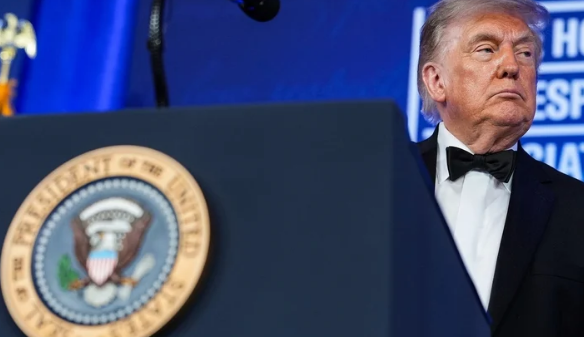
As the war between Israel and Iran stretches into its sixth day, killing hundreds in Iran and dozens in Israel, President Donald Trump is reportedly considering direct U.S. military intervention—marking a potential turning point in the escalating conflict.

While the U.S. initially distanced itself from Israel’s surprise strike on Iran last Friday, Trump’s public statements in recent days have signaled a dramatic shift. In a series of posts on Truth Social, the president warned that if Iran attacks the U.S. “in any way, shape, or form,” America would respond with unprecedented force.

Though Trump initially advocated for diplomacy, claiming over the weekend that the U.S. “can easily get a deal done between Iran and Israel,” his position has hardened. On Monday night, he left the G7 summit early and returned to Washington, telling reporters: “They should have done the deal… I’m not too much in the mood to negotiate.”

By Tuesday, Trump made his intentions clearer, posting “UNCONDITIONAL SURRENDER!” and claiming U.S. forces had “complete and total control of the skies over Iran.” He also appeared to directly threaten Iranian Supreme Leader Ayatollah Ali Khamenei, saying he knew his location but had chosen “not to take him out… at least not for now.”

In response, Khamenei condemned Trump’s threats, vowing that Iran “will never surrender” and warning that U.S. involvement would only bring greater harm to Washington.

According to multiple U.S. media outlets, Trump is actively reviewing military options with his national security team. These include supporting Israeli aircraft with U.S. refueling planes, striking Iran’s underground Fordow nuclear site with bunker-buster bombs, or even revisiting Israeli proposals to assassinate Khamenei—a suggestion Trump reportedly rejected over concerns of further escalation.

Despite denials of involvement in Israel’s initial strike, reports suggest the U.S. may have provided intelligence support. The Pentagon insists that recent deployments of ships, aircraft, and troops to the region are “defensive,” but officials acknowledge that Trump is considering preemptive action if Iran appears poised to strike American targets.

Iran has already signaled preparations for retaliation. Officials say missiles are being readied for strikes on U.S. bases in the Middle East, and Iranian Foreign Minister Abbas Araghchi has claimed that Israel’s attack was coordinated with U.S. approval—making Washington complicit in Iran’s view.

Meanwhile, inside Iran, state media has called on citizens to delete WhatsApp from their phones, accusing the Meta-owned messaging app of sharing data with Israel. WhatsApp rejected the claim, stating it does not provide user data to any government.

U.S. intelligence agencies maintain that Iran is not currently developing nuclear weapons, a conclusion Trump publicly dismissed this week. Experts warn, however, that Israel’s strikes—and potential U.S. involvement—could push Tehran toward nuclear armament.

Back in Washington, Trump’s threats have raised alarm across party lines. Some lawmakers have urged caution, reminding the president that only Congress can authorize war. Yet others, including Vice President J.D. Vance, have signaled support, with Trump sharing a message comparing his decision to President Truman’s call to use atomic weapons in 1945.

As tensions climb, the next few days may determine whether the conflict remains regional—or escalates into a broader war involving the world’s largest military power.


Business

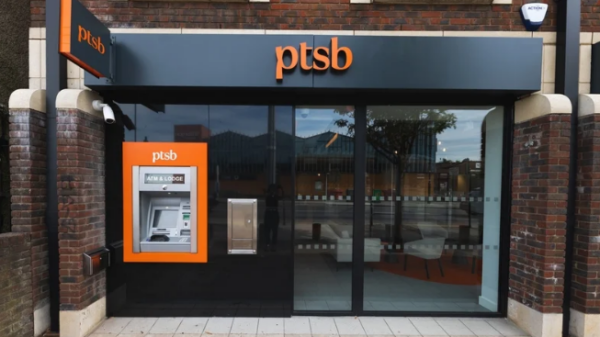
Fraudsters are increasingly using AI-generated images and videos to trick people into handing over sensitive personal and financial information, according to FraudSMART, the financial crime awareness initiative operated by the Banking and Payments Federation Ireland (BPFI). The organisation has reported a rise in online adverts promoting fake, State-backed investment schemes. These scams often use fabricated images of well-known politicians and business figures to make the offers appear legitimate and encourage users to click on registration links. Niamh Davenport, head of financial crime at BPFI, said scammers are deliberately exploiting recent media coverage of a planned State-backed savings and investment scheme to give their frauds a sense of credibility. “They often claim the scheme is open to everyone, but that places are limited and being ‘snapped up’ fast, in order to pressure people to act quickly,” she said. “They typically promise guaranteed returns or a guaranteed monthly income.” FraudSMART said that while anyone can be targeted, people in their early 50s are particularly vulnerable to investment scams. This age group is often focused on retirement planning, making them more receptive to financial offers that appear secure or high-yield. According to the organisation, most scams follow a similar pattern. Victims are first directed to click a registration link and complete a short online form providing their contact details. They are then contacted by someone posing as a financial adviser, who urges them to make an immediate “security deposit” to secure participation in the scheme. Once a payment is made, the money is quickly moved through multiple accounts, often overseas, making recovery extremely difficult. Davenport warned that scammers are becoming more sophisticated in their use of technology, particularly AI tools that allow them to create realistic but entirely fake promotional content. These materials are designed to mimic legitimate financial advertisements and build trust with potential victims. Recent figures from An Garda Síochána show investment fraud rose by 20% last year, with losses exceeding €20 million. The scale of individual scams varies widely, ranging from smaller crypto-related frauds involving a few hundred euro to large-scale investment schemes where victims lose tens of thousands. FraudSMART is urging the public to remain cautious when encountering online investment advertisements, especially those promising guaranteed returns or requiring urgent action. It also advises consumers to avoid sharing personal information with unverified sources and to be wary of pressure tactics designed to rush financial decisions. Authorities continue to warn that fraudsters are adapting quickly, using advanced digital tools to target victims across multiple platforms.

Trending

Business

Fraudsters are increasingly using AI-generated images and videos to trick people into handing over sensitive personal and financial information, according to FraudSMART, the financial crime awareness initiative operated by the Banking and Payments Federation Ireland (BPFI). The organisation has reported a rise in online adverts promoting fake, State-backed investment schemes. These scams often use fabricated images of well-known politicians and business figures to make the offers appear legitimate and encourage users to click on registration links. Niamh Davenport, head of financial crime at BPFI, said scammers are deliberately exploiting recent media coverage of a planned State-backed savings and investment scheme to give their frauds a sense of credibility. “They often claim the scheme is open to everyone, but that places are limited and being ‘snapped up’ fast, in order to pressure people to act quickly,” she said. “They typically promise guaranteed returns or a guaranteed monthly income.” FraudSMART said that while anyone can be targeted, people in their early 50s are particularly vulnerable to investment scams. This age group is often focused on retirement planning, making them more receptive to financial offers that appear secure or high-yield. According to the organisation, most scams follow a similar pattern. Victims are first directed to click a registration link and complete a short online form providing their contact details. They are then contacted by someone posing as a financial adviser, who urges them to make an immediate “security deposit” to secure participation in the scheme. Once a payment is made, the money is quickly moved through multiple accounts, often overseas, making recovery extremely difficult. Davenport warned that scammers are becoming more sophisticated in their use of technology, particularly AI tools that allow them to create realistic but entirely fake promotional content. These materials are designed to mimic legitimate financial advertisements and build trust with potential victims. Recent figures from An Garda Síochána show investment fraud rose by 20% last year, with losses exceeding €20 million. The scale of individual scams varies widely, ranging from smaller crypto-related frauds involving a few hundred euro to large-scale investment schemes where victims lose tens of thousands. FraudSMART is urging the public to remain cautious when encountering online investment advertisements, especially those promising guaranteed returns or requiring urgent action. It also advises consumers to avoid sharing personal information with unverified sources and to be wary of pressure tactics designed to rush financial decisions. Authorities continue to warn that fraudsters are adapting quickly, using advanced digital tools to target victims across multiple platforms.

You May Also Like

Politics

WASHINGTON — The Pentagon announced on Sunday that the United States will send a Terminal High Altitude Area Defense (THAAD) battery to Israel, alongside...

Health

NEW YORK — Teen smoking in the United States has reached an all-time low in 2024, with significant declines in overall youth tobacco use,...

Politics

WASHINGTON — As the countdown to the November 5 presidential election continues, former President Donald Trump is urging his supporters to aim for a...

Politics

In September, NASA announced that summer 2024 was the hottest on record. Just days later, the U.S. faced the dual impact of Hurricanes Helene...