
















Connect with us

Hi, what are you looking for?

Politics

Trump Targets BBC and International Media Amid Doctored Speech Controversy

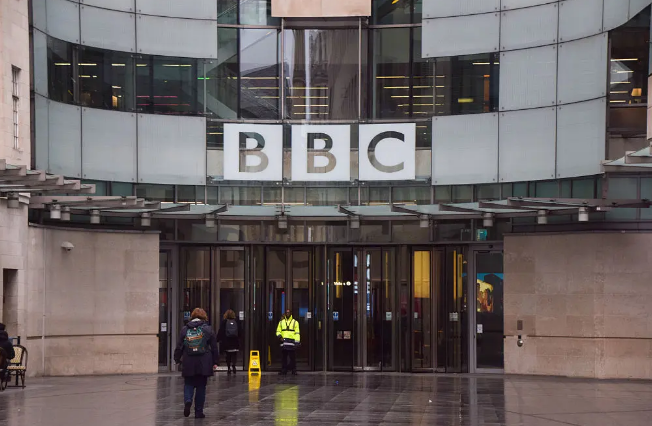
President Donald Trump has escalated his campaign against mainstream media, directing attention at the British Broadcasting Corporation (BBC) following a controversial edit of his January 6, 2021, speech near the U.S. Capitol. The BBC’s Panorama documentary, aired in October 2024, combined two separate quotes from Trump, giving the impression that he urged his supporters to “fight like hell” while walking to the Capitol. In reality, the comments were made at different points during the rally.

Conservative critics in the U.K. and the U.S. have seized on the edit to reinforce claims of institutional bias within the BBC. Former British Prime Minister Liz Truss called for the public broadcaster to be defunded, while Reform U.K. leader Nigel Farage reported discussing Trump’s anger with the former U.S. president and called for “wholesale changes” at the BBC. Farage described the mandatory TV licensing fee as unsustainable.

The BBC acknowledged the error in a letter to the parliamentary culture, media, and sport committee. Chairman Samir Shah apologized for the “error of judgment,” stating the edit created “the impression of a direct call for violent action.” Following the controversy, BBC Director-General Tim Davie and News CEO Deborah Turness resigned. Shah said corrective steps had been taken, including leadership changes, editorial guidance revisions, and formal disciplinary measures.

Trump’s reaction has been swift. He sent a letter to the BBC threatening a $1 billion lawsuit unless the broadcaster publicly apologizes, compensates him for “harm caused,” and removes the documentary. On Truth Social, he accused the BBC of “doctoring” his speech and attempting to influence the U.S. presidential election.

Supporters of the BBC argue that the backlash is politically motivated. Veteran BBC correspondent John Simpson described the attacks as a coordinated right-wing campaign. Financial Times editor Robert Shrimsley echoed this, warning that the campaign against the broadcaster would continue regardless of its editorial corrections.

The BBC incident fits a broader pattern of legal and regulatory action by Trump’s administration against media organizations. In the U.S., Trump has filed defamation lawsuits against ABC, CBS, The New York Times, the Wall Street Journal, and the Des Moines Register, alleging manipulated reporting or biased coverage. Settlements have included millions of dollars paid to Trump-affiliated foundations and changes in corporate leadership at media companies.

Trump’s actions have also targeted publicly funded broadcasters. Executive orders and funding cuts have affected NPR, PBS, and Voice of America, leading to shutdowns, staff reductions, and programming changes. The White House and Pentagon have introduced restrictive reporting rules for journalists, prompting some reporters to relinquish access credentials.

Legal experts and media observers warn that the cumulative effect of Trump’s lawsuits, regulatory pressure, and public attacks could reshape the media landscape, incentivizing self-censorship and affecting the ability of outlets to cover political figures critically.

Trump’s international focus on the BBC marks a new stage in his ongoing campaign against media he perceives as hostile, expanding his influence beyond the U.S. while reinforcing his broader narrative of media bias.


Business

Fraudsters are increasingly using AI-generated images and videos to trick people into handing over sensitive personal and financial information, according to FraudSMART, the financial crime awareness initiative operated by the Banking and Payments Federation Ireland (BPFI). The organisation has reported a rise in online adverts promoting fake, State-backed investment schemes. These scams often use fabricated images of well-known politicians and business figures to make the offers appear legitimate and encourage users to click on registration links. Niamh Davenport, head of financial crime at BPFI, said scammers are deliberately exploiting recent media coverage of a planned State-backed savings and investment scheme to give their frauds a sense of credibility. “They often claim the scheme is open to everyone, but that places are limited and being ‘snapped up’ fast, in order to pressure people to act quickly,” she said. “They typically promise guaranteed returns or a guaranteed monthly income.” FraudSMART said that while anyone can be targeted, people in their early 50s are particularly vulnerable to investment scams. This age group is often focused on retirement planning, making them more receptive to financial offers that appear secure or high-yield. According to the organisation, most scams follow a similar pattern. Victims are first directed to click a registration link and complete a short online form providing their contact details. They are then contacted by someone posing as a financial adviser, who urges them to make an immediate “security deposit” to secure participation in the scheme. Once a payment is made, the money is quickly moved through multiple accounts, often overseas, making recovery extremely difficult. Davenport warned that scammers are becoming more sophisticated in their use of technology, particularly AI tools that allow them to create realistic but entirely fake promotional content. These materials are designed to mimic legitimate financial advertisements and build trust with potential victims. Recent figures from An Garda Síochána show investment fraud rose by 20% last year, with losses exceeding €20 million. The scale of individual scams varies widely, ranging from smaller crypto-related frauds involving a few hundred euro to large-scale investment schemes where victims lose tens of thousands. FraudSMART is urging the public to remain cautious when encountering online investment advertisements, especially those promising guaranteed returns or requiring urgent action. It also advises consumers to avoid sharing personal information with unverified sources and to be wary of pressure tactics designed to rush financial decisions. Authorities continue to warn that fraudsters are adapting quickly, using advanced digital tools to target victims across multiple platforms.

Trending

Business

Fraudsters are increasingly using AI-generated images and videos to trick people into handing over sensitive personal and financial information, according to FraudSMART, the financial crime awareness initiative operated by the Banking and Payments Federation Ireland (BPFI). The organisation has reported a rise in online adverts promoting fake, State-backed investment schemes. These scams often use fabricated images of well-known politicians and business figures to make the offers appear legitimate and encourage users to click on registration links. Niamh Davenport, head of financial crime at BPFI, said scammers are deliberately exploiting recent media coverage of a planned State-backed savings and investment scheme to give their frauds a sense of credibility. “They often claim the scheme is open to everyone, but that places are limited and being ‘snapped up’ fast, in order to pressure people to act quickly,” she said. “They typically promise guaranteed returns or a guaranteed monthly income.” FraudSMART said that while anyone can be targeted, people in their early 50s are particularly vulnerable to investment scams. This age group is often focused on retirement planning, making them more receptive to financial offers that appear secure or high-yield. According to the organisation, most scams follow a similar pattern. Victims are first directed to click a registration link and complete a short online form providing their contact details. They are then contacted by someone posing as a financial adviser, who urges them to make an immediate “security deposit” to secure participation in the scheme. Once a payment is made, the money is quickly moved through multiple accounts, often overseas, making recovery extremely difficult. Davenport warned that scammers are becoming more sophisticated in their use of technology, particularly AI tools that allow them to create realistic but entirely fake promotional content. These materials are designed to mimic legitimate financial advertisements and build trust with potential victims. Recent figures from An Garda Síochána show investment fraud rose by 20% last year, with losses exceeding €20 million. The scale of individual scams varies widely, ranging from smaller crypto-related frauds involving a few hundred euro to large-scale investment schemes where victims lose tens of thousands. FraudSMART is urging the public to remain cautious when encountering online investment advertisements, especially those promising guaranteed returns or requiring urgent action. It also advises consumers to avoid sharing personal information with unverified sources and to be wary of pressure tactics designed to rush financial decisions. Authorities continue to warn that fraudsters are adapting quickly, using advanced digital tools to target victims across multiple platforms.

You May Also Like

Politics

WASHINGTON — The Pentagon announced on Sunday that the United States will send a Terminal High Altitude Area Defense (THAAD) battery to Israel, alongside...

Health

NEW YORK — Teen smoking in the United States has reached an all-time low in 2024, with significant declines in overall youth tobacco use,...

Politics

WASHINGTON — As the countdown to the November 5 presidential election continues, former President Donald Trump is urging his supporters to aim for a...

Politics

In September, NASA announced that summer 2024 was the hottest on record. Just days later, the U.S. faced the dual impact of Hurricanes Helene...