












Connect with us

Hi, what are you looking for?

Politics

Trump Keeps Low Profile as Virginia and New Jersey Voters Head to the Polls

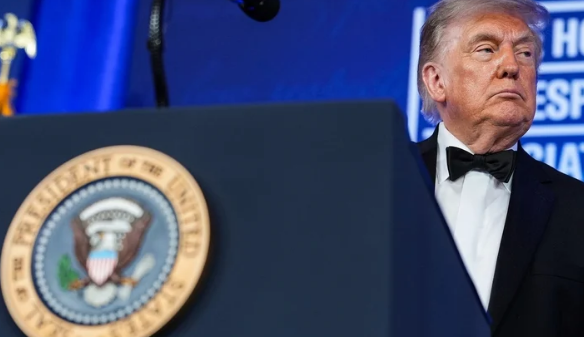
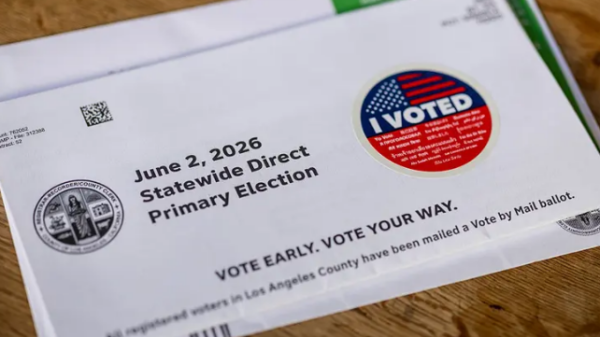
Voters in Virginia and New Jersey are casting ballots Tuesday in two high-stakes gubernatorial races that could serve as an early test of political momentum ahead of next year’s midterm elections. The contests come just days after former President Barack Obama rallied Democratic supporters in both states — and as President Donald Trump largely stays on the sidelines.

Unlike previous election cycles, when Trump held large rallies to energize Republican voters, the President has avoided in-person appearances in either state. Instead, he joined virtual “tele-rallies” Monday night for Virginia Republican Winsome Earle-Sears and New Jersey’s GOP candidate Jack Ciattarelli, while using his Truth Social platform to urge supporters to vote Republican and warning that “a vote for the Democrats” was “a DEATH WISH!”

Trump’s limited involvement may reflect concerns over his low approval ratings, which have hovered just above 40% in Gallup surveys and dropped to 37% in a CNN poll released Monday — the lowest of his second term. Political strategists suggest his presence could hurt Republican candidates in swing states where both parties have been competitive.

“Democrats are trying to make this election a referendum on Trump,” said Republican strategist Douglas Heye. “Having him hold a rally right now would only magnify that.”

The outcomes in both states are expected to offer clues about the national political climate and which party may have an edge in the 2026 midterms. Republicans currently hold narrow control of both the House and Senate, but Democrats hope a backlash against Trump’s policies could help them reclaim the House under Democratic Leader Hakeem Jeffries.

In New Jersey, polls show a tightening race between Democrat Rep. Mikie Sherrill and Ciattarelli, who has praised Trump’s administration but has been cautious about fully aligning with him. “A relationship is important. That doesn’t mean we don’t disagree,” Ciattarelli told TIME, noting differences with Trump on immigration and energy policy.

In Virginia, Democratic Rep. Abigail Spanberger leads Earle-Sears in the latest surveys. Trump has offered only muted support for Earle-Sears, skipping any mention of her during a recent visit to Virginia’s Naval Station Norfolk and again during an Oval Office event last month.

Trump has instead focused attention on the New York City mayoral race, where he has unexpectedly voiced support for former Governor Andrew Cuomo, a Democrat running as an independent, over democratic socialist Zohran Mamdani. “If it’s between a bad Democrat and a Communist, I’m gonna pick the bad Democrat,” Trump told 60 Minutes on Sunday.

In a social media post Monday, Trump doubled down, calling Cuomo “the only viable option” and urging New Yorkers to back him.

As polls close Tuesday night, analysts will be watching closely to see whether voters’ choices signal cracks in Republican strength — or renewed resilience ahead of a pivotal election year.


Business

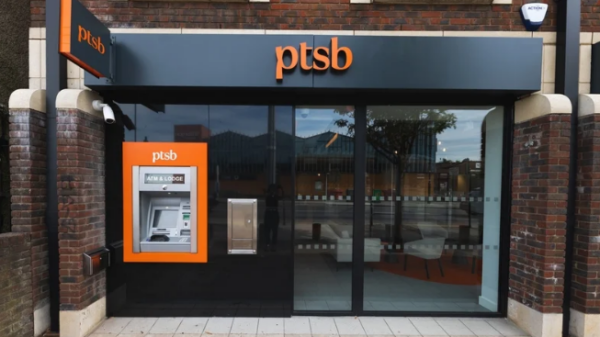
Fraudsters are increasingly using AI-generated images and videos to trick people into handing over sensitive personal and financial information, according to FraudSMART, the financial crime awareness initiative operated by the Banking and Payments Federation Ireland (BPFI). The organisation has reported a rise in online adverts promoting fake, State-backed investment schemes. These scams often use fabricated images of well-known politicians and business figures to make the offers appear legitimate and encourage users to click on registration links. Niamh Davenport, head of financial crime at BPFI, said scammers are deliberately exploiting recent media coverage of a planned State-backed savings and investment scheme to give their frauds a sense of credibility. “They often claim the scheme is open to everyone, but that places are limited and being ‘snapped up’ fast, in order to pressure people to act quickly,” she said. “They typically promise guaranteed returns or a guaranteed monthly income.” FraudSMART said that while anyone can be targeted, people in their early 50s are particularly vulnerable to investment scams. This age group is often focused on retirement planning, making them more receptive to financial offers that appear secure or high-yield. According to the organisation, most scams follow a similar pattern. Victims are first directed to click a registration link and complete a short online form providing their contact details. They are then contacted by someone posing as a financial adviser, who urges them to make an immediate “security deposit” to secure participation in the scheme. Once a payment is made, the money is quickly moved through multiple accounts, often overseas, making recovery extremely difficult. Davenport warned that scammers are becoming more sophisticated in their use of technology, particularly AI tools that allow them to create realistic but entirely fake promotional content. These materials are designed to mimic legitimate financial advertisements and build trust with potential victims. Recent figures from An Garda Síochána show investment fraud rose by 20% last year, with losses exceeding €20 million. The scale of individual scams varies widely, ranging from smaller crypto-related frauds involving a few hundred euro to large-scale investment schemes where victims lose tens of thousands. FraudSMART is urging the public to remain cautious when encountering online investment advertisements, especially those promising guaranteed returns or requiring urgent action. It also advises consumers to avoid sharing personal information with unverified sources and to be wary of pressure tactics designed to rush financial decisions. Authorities continue to warn that fraudsters are adapting quickly, using advanced digital tools to target victims across multiple platforms.

Trending

Business

Fraudsters are increasingly using AI-generated images and videos to trick people into handing over sensitive personal and financial information, according to FraudSMART, the financial crime awareness initiative operated by the Banking and Payments Federation Ireland (BPFI). The organisation has reported a rise in online adverts promoting fake, State-backed investment schemes. These scams often use fabricated images of well-known politicians and business figures to make the offers appear legitimate and encourage users to click on registration links. Niamh Davenport, head of financial crime at BPFI, said scammers are deliberately exploiting recent media coverage of a planned State-backed savings and investment scheme to give their frauds a sense of credibility. “They often claim the scheme is open to everyone, but that places are limited and being ‘snapped up’ fast, in order to pressure people to act quickly,” she said. “They typically promise guaranteed returns or a guaranteed monthly income.” FraudSMART said that while anyone can be targeted, people in their early 50s are particularly vulnerable to investment scams. This age group is often focused on retirement planning, making them more receptive to financial offers that appear secure or high-yield. According to the organisation, most scams follow a similar pattern. Victims are first directed to click a registration link and complete a short online form providing their contact details. They are then contacted by someone posing as a financial adviser, who urges them to make an immediate “security deposit” to secure participation in the scheme. Once a payment is made, the money is quickly moved through multiple accounts, often overseas, making recovery extremely difficult. Davenport warned that scammers are becoming more sophisticated in their use of technology, particularly AI tools that allow them to create realistic but entirely fake promotional content. These materials are designed to mimic legitimate financial advertisements and build trust with potential victims. Recent figures from An Garda Síochána show investment fraud rose by 20% last year, with losses exceeding €20 million. The scale of individual scams varies widely, ranging from smaller crypto-related frauds involving a few hundred euro to large-scale investment schemes where victims lose tens of thousands. FraudSMART is urging the public to remain cautious when encountering online investment advertisements, especially those promising guaranteed returns or requiring urgent action. It also advises consumers to avoid sharing personal information with unverified sources and to be wary of pressure tactics designed to rush financial decisions. Authorities continue to warn that fraudsters are adapting quickly, using advanced digital tools to target victims across multiple platforms.

You May Also Like

Politics

WASHINGTON — The Pentagon announced on Sunday that the United States will send a Terminal High Altitude Area Defense (THAAD) battery to Israel, alongside...

Health

NEW YORK — Teen smoking in the United States has reached an all-time low in 2024, with significant declines in overall youth tobacco use,...

Politics

WASHINGTON — As the countdown to the November 5 presidential election continues, former President Donald Trump is urging his supporters to aim for a...

Politics

In September, NASA announced that summer 2024 was the hottest on record. Just days later, the U.S. faced the dual impact of Hurricanes Helene...