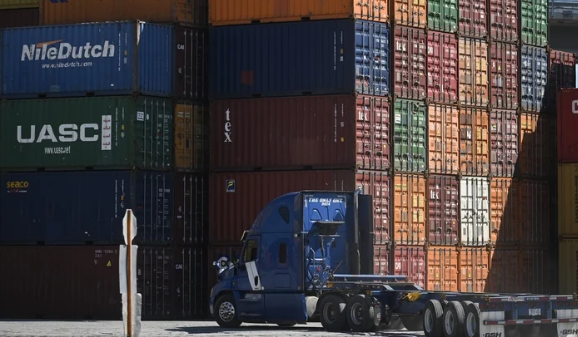






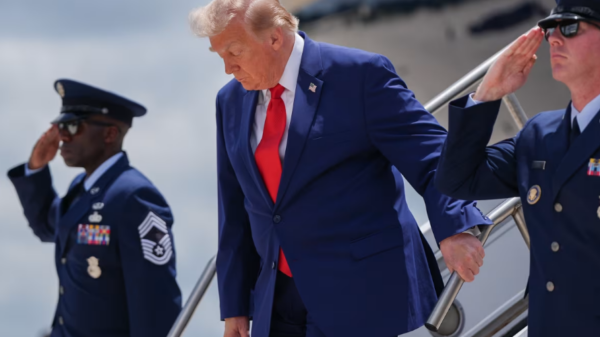








President Donald Trump has renewed calls for a $2,000 stimulus check or tax rebate for most Americans, citing revenue raised from tariffs as a source for the payments. The proposal comes as Americans continue to face rising costs for groceries, housing, and healthcare.
Trump has repeatedly suggested that middle- and lower-income households would benefit from the plan, framing it as a dividend from the tariffs he championed during his administration. In November, he described critics of the tariffs as “fools” and said the revenue collected could be returned to Americans. During his Christmas address, Trump predicted that 2026 would see “the largest tax refund season of all time,” reinforcing his intention to provide financial relief.
However, no detailed plan has been made public. White House officials have said the Administration is exploring options for the proposed payments. Press Secretary Karoline Leavitt confirmed in November that the President’s team of economic advisors is examining ways to make the payments possible, though no timeline has been set. Treasury Secretary Scott Bessent indicated that the benefits could take multiple forms, including tax decreases on tips, overtime, Social Security, or deductibility of auto loans.
The payments would require Congressional approval. Kevin Hassett, director of the White House National Economic Council, said in December that whether Americans receive the $2,000 checks depends on the actions of Congress. “Congress is going to have to send that money to those people,” he told CBS. As of early January, no formal proposal has been introduced.
Financial experts have raised concerns over the feasibility of the plan. Ryan Cummings, chief of staff at the Stanford Institute for Economic Policy Research, said the cost of sending checks to low- and middle-income households could run into hundreds of billions of dollars. “The President can’t unilaterally decide [he’s] going to give away hundreds of billions,” Cummings said. He noted that taxes collected and spending programs are separate under US law and require legislative approval.
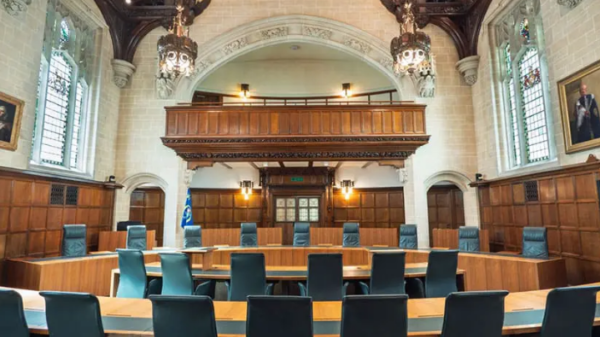
Legal questions surrounding the tariffs add further uncertainty. The Supreme Court has yet to rule on whether Trump’s use of emergency powers to impose tariffs without Congress’s approval was lawful. Should the Administration lose, it may be required to refund the tariffs, reducing the potential funds available for a stimulus check.
Experts warn that promises of a payment could shape consumer behavior. Cummings noted that if the $2,000 check fails to materialize, it could prompt frustration among households counting on additional funds during a period of high living costs.
At this stage, the proposal remains a concept rather than a confirmed plan, with major legal, legislative, and financial hurdles still to be addressed.