















Connect with us

Hi, what are you looking for?

Politics

Smithsonian Museums and National Zoo to Close as U.S. Government Shutdown Drags On

The Smithsonian museums and the National Zoo will close their doors to the public beginning Sunday if the ongoing federal government shutdown continues, marking one of the most visible impacts yet of the budget stalemate in Congress.

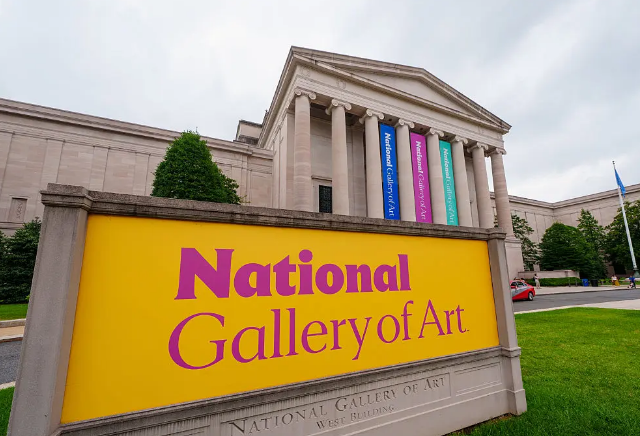
The closures will affect some of Washington, D.C.’s most visited landmarks, including the National Museum of Natural History, the National Air and Space Museum, and the National Zoo. The Smithsonian Institution, which relies on federal appropriations for about two-thirds of its funding, has used leftover funds from the previous fiscal year to remain open since the shutdown began on October 1. Those funds are expected to run out by October 11.

While the public exhibits will close, Smithsonian officials emphasized that animal care at the National Zoo and its Conservation Biology Institute in Virginia will continue without disruption. “A shutdown will not affect our commitment to the safety of our staff and standard of excellence in animal care,” the zoo stated in an update on its website. However, the popular Giant Panda Cam and other live-streamed animal feeds, which require federal staff to operate, will go offline during the shutdown.

The move underscores the widening ripple effects of the government shutdown, now entering its second week with no clear resolution in sight. Since the lapse in federal funding began, hundreds of thousands of federal employees have been furloughed, visitor centers in national parks have shuttered, and the Bureau of Labor Statistics has halted the release of critical economic data—including the September jobs report. Airport staffing shortages have also led to widespread flight delays across the country.

If the impasse continues, more federal programs could soon be affected. Funding for rural air travel is projected to lapse by mid-October, court operations could slow down soon after, and nutrition assistance programs for mothers and children may begin running short by the end of the month. By early November, the shutdown would surpass the record 34-day closure that occurred in 2019.

At the center of the deadlock is a dispute over health care policy. Democrats are pushing to extend Affordable Care Act subsidies that are set to expire at the end of the year, while Republicans need Democratic support in the Senate to pass their funding proposal. A small bipartisan group of lawmakers has discussed temporary measures to bridge the gap, but so far, the White House and congressional leaders remain far apart, with no formal negotiations underway.

As the standoff continues, President Donald Trump has warned that furloughed federal workers could face layoffs and lose back pay once the government reopens—moves that would break long-standing precedent and deepen the crisis for hundreds of thousands of families nationwide.

Business

Fraudsters are increasingly using AI-generated images and videos to trick people into handing over sensitive personal and financial information, according to FraudSMART, the financial crime awareness initiative operated by the Banking and Payments Federation Ireland (BPFI). The organisation has reported a rise in online adverts promoting fake, State-backed investment schemes. These scams often use fabricated images of well-known politicians and business figures to make the offers appear legitimate and encourage users to click on registration links. Niamh Davenport, head of financial crime at BPFI, said scammers are deliberately exploiting recent media coverage of a planned State-backed savings and investment scheme to give their frauds a sense of credibility. “They often claim the scheme is open to everyone, but that places are limited and being ‘snapped up’ fast, in order to pressure people to act quickly,” she said. “They typically promise guaranteed returns or a guaranteed monthly income.” FraudSMART said that while anyone can be targeted, people in their early 50s are particularly vulnerable to investment scams. This age group is often focused on retirement planning, making them more receptive to financial offers that appear secure or high-yield. According to the organisation, most scams follow a similar pattern. Victims are first directed to click a registration link and complete a short online form providing their contact details. They are then contacted by someone posing as a financial adviser, who urges them to make an immediate “security deposit” to secure participation in the scheme. Once a payment is made, the money is quickly moved through multiple accounts, often overseas, making recovery extremely difficult. Davenport warned that scammers are becoming more sophisticated in their use of technology, particularly AI tools that allow them to create realistic but entirely fake promotional content. These materials are designed to mimic legitimate financial advertisements and build trust with potential victims. Recent figures from An Garda Síochána show investment fraud rose by 20% last year, with losses exceeding €20 million. The scale of individual scams varies widely, ranging from smaller crypto-related frauds involving a few hundred euro to large-scale investment schemes where victims lose tens of thousands. FraudSMART is urging the public to remain cautious when encountering online investment advertisements, especially those promising guaranteed returns or requiring urgent action. It also advises consumers to avoid sharing personal information with unverified sources and to be wary of pressure tactics designed to rush financial decisions. Authorities continue to warn that fraudsters are adapting quickly, using advanced digital tools to target victims across multiple platforms.

Trending

Business

Fraudsters are increasingly using AI-generated images and videos to trick people into handing over sensitive personal and financial information, according to FraudSMART, the financial crime awareness initiative operated by the Banking and Payments Federation Ireland (BPFI). The organisation has reported a rise in online adverts promoting fake, State-backed investment schemes. These scams often use fabricated images of well-known politicians and business figures to make the offers appear legitimate and encourage users to click on registration links. Niamh Davenport, head of financial crime at BPFI, said scammers are deliberately exploiting recent media coverage of a planned State-backed savings and investment scheme to give their frauds a sense of credibility. “They often claim the scheme is open to everyone, but that places are limited and being ‘snapped up’ fast, in order to pressure people to act quickly,” she said. “They typically promise guaranteed returns or a guaranteed monthly income.” FraudSMART said that while anyone can be targeted, people in their early 50s are particularly vulnerable to investment scams. This age group is often focused on retirement planning, making them more receptive to financial offers that appear secure or high-yield. According to the organisation, most scams follow a similar pattern. Victims are first directed to click a registration link and complete a short online form providing their contact details. They are then contacted by someone posing as a financial adviser, who urges them to make an immediate “security deposit” to secure participation in the scheme. Once a payment is made, the money is quickly moved through multiple accounts, often overseas, making recovery extremely difficult. Davenport warned that scammers are becoming more sophisticated in their use of technology, particularly AI tools that allow them to create realistic but entirely fake promotional content. These materials are designed to mimic legitimate financial advertisements and build trust with potential victims. Recent figures from An Garda Síochána show investment fraud rose by 20% last year, with losses exceeding €20 million. The scale of individual scams varies widely, ranging from smaller crypto-related frauds involving a few hundred euro to large-scale investment schemes where victims lose tens of thousands. FraudSMART is urging the public to remain cautious when encountering online investment advertisements, especially those promising guaranteed returns or requiring urgent action. It also advises consumers to avoid sharing personal information with unverified sources and to be wary of pressure tactics designed to rush financial decisions. Authorities continue to warn that fraudsters are adapting quickly, using advanced digital tools to target victims across multiple platforms.

You May Also Like

Politics

WASHINGTON — The Pentagon announced on Sunday that the United States will send a Terminal High Altitude Area Defense (THAAD) battery to Israel, alongside...

Health

NEW YORK — Teen smoking in the United States has reached an all-time low in 2024, with significant declines in overall youth tobacco use,...

Politics

WASHINGTON — As the countdown to the November 5 presidential election continues, former President Donald Trump is urging his supporters to aim for a...

Politics

In September, NASA announced that summer 2024 was the hottest on record. Just days later, the U.S. faced the dual impact of Hurricanes Helene...