















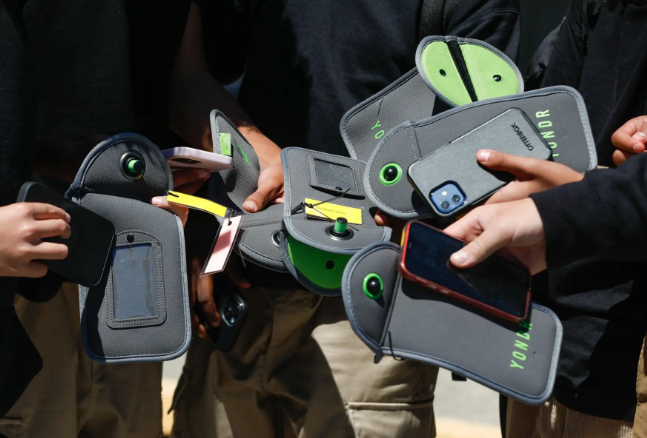
What began as a quiet grassroots movement among concerned parents is now shaping up to be a national campaign to rid American schools of smartphones, with bipartisan legislation gaining momentum across the U.S.
At the heart of this movement is Laura Derrendinger, a former public-health nurse with Doctors Without Borders who now lives in rural Vermont with her four children. Once focused on eradicating infectious diseases like malaria and cholera, Derrendinger now channels her energy into a modern-day epidemic she says is just as dangerous: smartphones in the hands of children.
“In malaria, the mosquito is the vector,” she explains. “Here, the phone is the vector for toxic online content.”
Derrendinger is one of many parents leading a fast-growing coalition of advocacy groups—such as Smartphone Free Childhood US, Mothers Against Media Addiction, and the Vermont Coalition for Phone and Social Media Free Schools—pushing to make schools “phone-free” zones. Their solution is simple: ban phones from the school day, bell-to-bell.
Once considered an extreme proposal, support for school phone bans is surging. A July Pew Research Center poll found that 74% of U.S. adults support prohibiting phone use during class, with nearly half backing all-day bans. As of this summer, 37 states and Washington D.C. have enacted some form of restriction, with states like New York, Arkansas, and Oklahoma passing full-day bans.
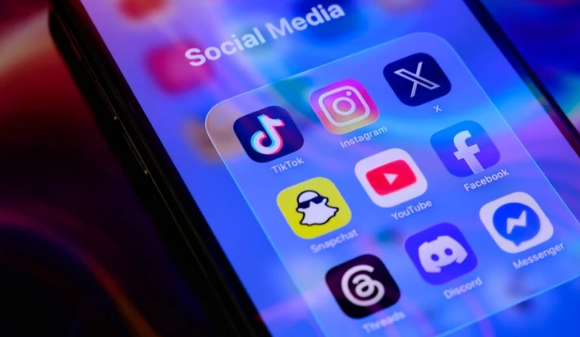
The movement’s momentum is driven not only by data but by emotion. Many of the advocates, like Derrendinger, are parents who say they’ve seen firsthand the mental health toll of digital overexposure. Others, like Massachusetts mother Deb Schmill, became activists after tragedy. Schmill’s daughter Becca died in 2020 from a fentanyl overdose after being sexually assaulted and targeted online. Schmill believes social media played a key role in her daughter’s downward spiral and now lobbies for federal legislation like the Kids Online Safety Act.
While bestselling books like The Anxious Generation by Jonathan Haidt have helped give voice to these concerns, parents say their power lies in grassroots organising. Every week, members from 30 states join Zoom calls through the Distraction Free Schools Policy Project to swap strategies on lobbying legislators, drafting bills, and building community support.
Their advocacy is paying off. Derrendinger successfully persuaded Vermont state senator Terry Williams to introduce a phone ban bill after inviting him for coffee and inundating him with data. “Everybody was against it,” Williams admitted. “But the evidence was persuasive.”
As the new school year approaches, parents across the country are doubling down on efforts to get similar bills introduced in their own states. With growing political consensus and public backing, phone-free schools may soon become the norm, not the exception.
“We move fast and fix things,” Derrendinger wrote in a recent email to fellow campaigners. And judging by the pace of change, they just might.