













Connect with us

Hi, what are you looking for?

Politics

Iran-Israel Conflict Escalates as Missiles Strike Cities, Trump Urges De-escalation

The conflict between Iran and Israel took a grave turn overnight as Iranian missiles pounded Israeli cities while Israel launched a sweeping military assault targeting Iran’s nuclear infrastructure. Israeli airstrikes struck key sites in Tehran, including the Ministry of Defense headquarters and facilities linked to the country’s controversial nuclear weapons program.

The Israeli military confirmed that the latest offensive was part of “Operation Rising Lion” and targeted the SPND nuclear project base, a site Israeli officials claim played a central role in advancing Iran’s nuclear ambitions and hiding critical nuclear archives. Prime Minister Benjamin Netanyahu declared the strikes would continue “for as many days as it takes to remove this threat.”

Sirens sounded across Israeli cities overnight, sending millions of residents into shelters. The Israel Defense Forces (IDF) reported at least 13 Israeli fatalities, including three children, while Iran’s government said at least 75 people were killed on its side, with dozens more injured.

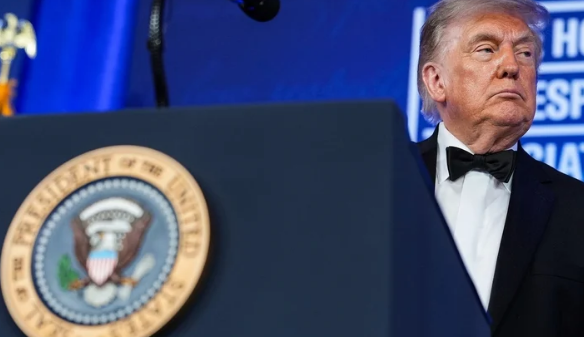
Amid the violence, U.S. President Donald Trump issued stern warnings to Iran via his social media platform, Truth Social. He reiterated that the United States had “nothing to do with” Israel’s latest strikes and warned Tehran against retaliating against American interests.

“If we are attacked in any way, shape, or form by Iran, the full strength and might of the U.S. Armed Forces will come down on you at levels never seen before,” Trump wrote. He added that a diplomatic resolution between Iran and Israel remained possible, urging both sides to return to negotiations.

In a follow-up post, Trump recalled brokering trade-based peace initiatives between India and Pakistan, expressing confidence that a similar approach could work in the Middle East. “Iran and Israel should make a deal, and will make a deal… Make the Middle East Great Again,” he declared.

However, diplomatic efforts suffered a major blow as planned nuclear talks between Iran and the U.S. in Muscat, Oman, were called off. Iran’s Foreign Ministry dismissed the negotiations as “meaningless” in light of the latest hostilities.

Iranian President Masoud Pezeshkian warned of a “more severe and powerful” retaliation if Israeli strikes continued, stating that “the continuation of Zionist aggression will be met with force.”

Israeli Defense Minister Israel Katz, meanwhile, intensified rhetoric, vowing that “Tehran will burn” if missile attacks on Israeli cities persist. He said evacuation notices were being issued to residents near weapons production sites in Tehran, accusing the Iranian regime of turning its citizens into “hostages.”

With both nations escalating their military campaigns and rhetoric hardening on all sides, fears are growing that the conflict could widen and draw in additional regional or global powers—an outcome international leaders are racing to prevent.

Business

Fraudsters are increasingly using AI-generated images and videos to trick people into handing over sensitive personal and financial information, according to FraudSMART, the financial crime awareness initiative operated by the Banking and Payments Federation Ireland (BPFI). The organisation has reported a rise in online adverts promoting fake, State-backed investment schemes. These scams often use fabricated images of well-known politicians and business figures to make the offers appear legitimate and encourage users to click on registration links. Niamh Davenport, head of financial crime at BPFI, said scammers are deliberately exploiting recent media coverage of a planned State-backed savings and investment scheme to give their frauds a sense of credibility. “They often claim the scheme is open to everyone, but that places are limited and being ‘snapped up’ fast, in order to pressure people to act quickly,” she said. “They typically promise guaranteed returns or a guaranteed monthly income.” FraudSMART said that while anyone can be targeted, people in their early 50s are particularly vulnerable to investment scams. This age group is often focused on retirement planning, making them more receptive to financial offers that appear secure or high-yield. According to the organisation, most scams follow a similar pattern. Victims are first directed to click a registration link and complete a short online form providing their contact details. They are then contacted by someone posing as a financial adviser, who urges them to make an immediate “security deposit” to secure participation in the scheme. Once a payment is made, the money is quickly moved through multiple accounts, often overseas, making recovery extremely difficult. Davenport warned that scammers are becoming more sophisticated in their use of technology, particularly AI tools that allow them to create realistic but entirely fake promotional content. These materials are designed to mimic legitimate financial advertisements and build trust with potential victims. Recent figures from An Garda Síochána show investment fraud rose by 20% last year, with losses exceeding €20 million. The scale of individual scams varies widely, ranging from smaller crypto-related frauds involving a few hundred euro to large-scale investment schemes where victims lose tens of thousands. FraudSMART is urging the public to remain cautious when encountering online investment advertisements, especially those promising guaranteed returns or requiring urgent action. It also advises consumers to avoid sharing personal information with unverified sources and to be wary of pressure tactics designed to rush financial decisions. Authorities continue to warn that fraudsters are adapting quickly, using advanced digital tools to target victims across multiple platforms.

Trending

Business

Fraudsters are increasingly using AI-generated images and videos to trick people into handing over sensitive personal and financial information, according to FraudSMART, the financial crime awareness initiative operated by the Banking and Payments Federation Ireland (BPFI). The organisation has reported a rise in online adverts promoting fake, State-backed investment schemes. These scams often use fabricated images of well-known politicians and business figures to make the offers appear legitimate and encourage users to click on registration links. Niamh Davenport, head of financial crime at BPFI, said scammers are deliberately exploiting recent media coverage of a planned State-backed savings and investment scheme to give their frauds a sense of credibility. “They often claim the scheme is open to everyone, but that places are limited and being ‘snapped up’ fast, in order to pressure people to act quickly,” she said. “They typically promise guaranteed returns or a guaranteed monthly income.” FraudSMART said that while anyone can be targeted, people in their early 50s are particularly vulnerable to investment scams. This age group is often focused on retirement planning, making them more receptive to financial offers that appear secure or high-yield. According to the organisation, most scams follow a similar pattern. Victims are first directed to click a registration link and complete a short online form providing their contact details. They are then contacted by someone posing as a financial adviser, who urges them to make an immediate “security deposit” to secure participation in the scheme. Once a payment is made, the money is quickly moved through multiple accounts, often overseas, making recovery extremely difficult. Davenport warned that scammers are becoming more sophisticated in their use of technology, particularly AI tools that allow them to create realistic but entirely fake promotional content. These materials are designed to mimic legitimate financial advertisements and build trust with potential victims. Recent figures from An Garda Síochána show investment fraud rose by 20% last year, with losses exceeding €20 million. The scale of individual scams varies widely, ranging from smaller crypto-related frauds involving a few hundred euro to large-scale investment schemes where victims lose tens of thousands. FraudSMART is urging the public to remain cautious when encountering online investment advertisements, especially those promising guaranteed returns or requiring urgent action. It also advises consumers to avoid sharing personal information with unverified sources and to be wary of pressure tactics designed to rush financial decisions. Authorities continue to warn that fraudsters are adapting quickly, using advanced digital tools to target victims across multiple platforms.

You May Also Like

Politics

WASHINGTON — The Pentagon announced on Sunday that the United States will send a Terminal High Altitude Area Defense (THAAD) battery to Israel, alongside...

Health

NEW YORK — Teen smoking in the United States has reached an all-time low in 2024, with significant declines in overall youth tobacco use,...

Politics

WASHINGTON — As the countdown to the November 5 presidential election continues, former President Donald Trump is urging his supporters to aim for a...

Politics

In September, NASA announced that summer 2024 was the hottest on record. Just days later, the U.S. faced the dual impact of Hurricanes Helene...