














Connect with us

Hi, what are you looking for?

Politics

Congress Reconsiders Landmark Kids Online Safety Act Amid Rising Digital Concerns

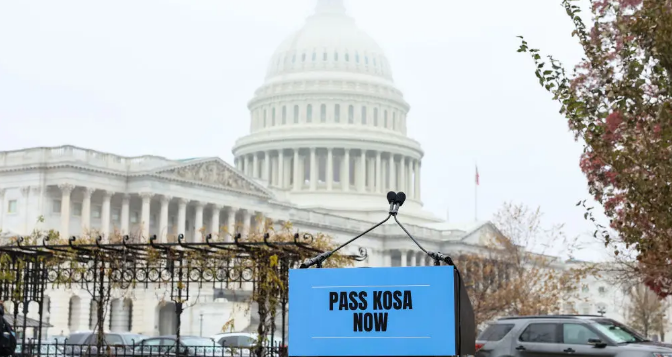
In what could be the first major legislative move on children’s internet safety in over two decades, the Kids Online Safety Act (KOSA) has been reintroduced in Congress, reigniting a national debate over how best to protect minors in an increasingly digital world.

The bipartisan bill, first introduced in 2022 and stalled last year, aims to impose new responsibilities on tech companies to shield young users from harmful content, including material linked to mental health issues like depression, eating disorders, and addiction-like behavior. If passed, it would mark the most significant update to online child protection laws since 1998.

Backed by Senators Richard Blumenthal (D-CT) and Marsha Blackburn (R-TN), and supported by Senate leaders Chuck Schumer and John Thune, KOSA would create a “duty of care” for online platforms. This means companies would be required to actively prevent content that could harm minors’ mental or emotional well-being.

“KOSA is an idea whose time has come—in fact, it’s urgently overdue,” said Blumenthal, noting that some of the same tech firms the bill seeks to regulate, including Apple and X (formerly Twitter), now endorse the legislation.

Yet, the bill remains controversial. Critics, including civil liberties and LGBTQ+ advocacy groups, argue that its language could open the door to censorship and state-level control over what content is deemed “harmful” to children. The American Civil Liberties Union and others have warned it could suppress access to legitimate educational or identity-affirming content under the guise of protection.

A revised version of the bill introduced earlier this month attempts to address those concerns by clarifying that neither the Federal Trade Commission nor state attorneys general would have the power to censor or remove content based on its message or viewpoint.

Former U.S. Rep. Patrick J. Kennedy spoke passionately about the issue on NBC’s Meet the Press last weekend, calling the lack of regulation a national failure. “This is a fight,” Kennedy said. “And we are losing… because we’re not out there fighting for our kids.”

The legislation’s reintroduction follows growing global momentum on the issue. Australia recently banned social media use for children under 16, and U.S. states like Utah and Texas have taken steps to verify users’ ages or limit minors’ access to platforms.

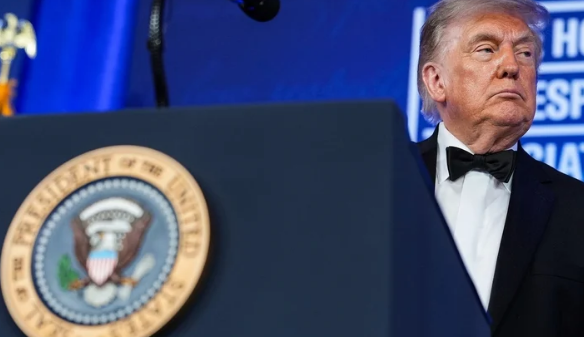
KOSA now awaits further action in Congress, needing approval from both chambers and a signature from President Donald Trump to become law. While political support appears strong, concerns over free speech and enforcement remain central to the debate.


Business

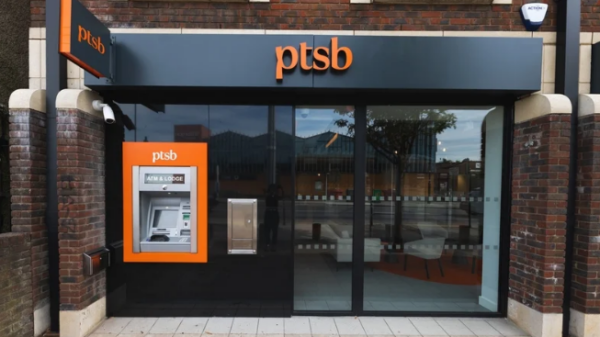
Fraudsters are increasingly using AI-generated images and videos to trick people into handing over sensitive personal and financial information, according to FraudSMART, the financial crime awareness initiative operated by the Banking and Payments Federation Ireland (BPFI). The organisation has reported a rise in online adverts promoting fake, State-backed investment schemes. These scams often use fabricated images of well-known politicians and business figures to make the offers appear legitimate and encourage users to click on registration links. Niamh Davenport, head of financial crime at BPFI, said scammers are deliberately exploiting recent media coverage of a planned State-backed savings and investment scheme to give their frauds a sense of credibility. “They often claim the scheme is open to everyone, but that places are limited and being ‘snapped up’ fast, in order to pressure people to act quickly,” she said. “They typically promise guaranteed returns or a guaranteed monthly income.” FraudSMART said that while anyone can be targeted, people in their early 50s are particularly vulnerable to investment scams. This age group is often focused on retirement planning, making them more receptive to financial offers that appear secure or high-yield. According to the organisation, most scams follow a similar pattern. Victims are first directed to click a registration link and complete a short online form providing their contact details. They are then contacted by someone posing as a financial adviser, who urges them to make an immediate “security deposit” to secure participation in the scheme. Once a payment is made, the money is quickly moved through multiple accounts, often overseas, making recovery extremely difficult. Davenport warned that scammers are becoming more sophisticated in their use of technology, particularly AI tools that allow them to create realistic but entirely fake promotional content. These materials are designed to mimic legitimate financial advertisements and build trust with potential victims. Recent figures from An Garda Síochána show investment fraud rose by 20% last year, with losses exceeding €20 million. The scale of individual scams varies widely, ranging from smaller crypto-related frauds involving a few hundred euro to large-scale investment schemes where victims lose tens of thousands. FraudSMART is urging the public to remain cautious when encountering online investment advertisements, especially those promising guaranteed returns or requiring urgent action. It also advises consumers to avoid sharing personal information with unverified sources and to be wary of pressure tactics designed to rush financial decisions. Authorities continue to warn that fraudsters are adapting quickly, using advanced digital tools to target victims across multiple platforms.

Trending

Business

Fraudsters are increasingly using AI-generated images and videos to trick people into handing over sensitive personal and financial information, according to FraudSMART, the financial crime awareness initiative operated by the Banking and Payments Federation Ireland (BPFI). The organisation has reported a rise in online adverts promoting fake, State-backed investment schemes. These scams often use fabricated images of well-known politicians and business figures to make the offers appear legitimate and encourage users to click on registration links. Niamh Davenport, head of financial crime at BPFI, said scammers are deliberately exploiting recent media coverage of a planned State-backed savings and investment scheme to give their frauds a sense of credibility. “They often claim the scheme is open to everyone, but that places are limited and being ‘snapped up’ fast, in order to pressure people to act quickly,” she said. “They typically promise guaranteed returns or a guaranteed monthly income.” FraudSMART said that while anyone can be targeted, people in their early 50s are particularly vulnerable to investment scams. This age group is often focused on retirement planning, making them more receptive to financial offers that appear secure or high-yield. According to the organisation, most scams follow a similar pattern. Victims are first directed to click a registration link and complete a short online form providing their contact details. They are then contacted by someone posing as a financial adviser, who urges them to make an immediate “security deposit” to secure participation in the scheme. Once a payment is made, the money is quickly moved through multiple accounts, often overseas, making recovery extremely difficult. Davenport warned that scammers are becoming more sophisticated in their use of technology, particularly AI tools that allow them to create realistic but entirely fake promotional content. These materials are designed to mimic legitimate financial advertisements and build trust with potential victims. Recent figures from An Garda Síochána show investment fraud rose by 20% last year, with losses exceeding €20 million. The scale of individual scams varies widely, ranging from smaller crypto-related frauds involving a few hundred euro to large-scale investment schemes where victims lose tens of thousands. FraudSMART is urging the public to remain cautious when encountering online investment advertisements, especially those promising guaranteed returns or requiring urgent action. It also advises consumers to avoid sharing personal information with unverified sources and to be wary of pressure tactics designed to rush financial decisions. Authorities continue to warn that fraudsters are adapting quickly, using advanced digital tools to target victims across multiple platforms.

You May Also Like

Politics

WASHINGTON — The Pentagon announced on Sunday that the United States will send a Terminal High Altitude Area Defense (THAAD) battery to Israel, alongside...

Health

NEW YORK — Teen smoking in the United States has reached an all-time low in 2024, with significant declines in overall youth tobacco use,...

Politics

WASHINGTON — As the countdown to the November 5 presidential election continues, former President Donald Trump is urging his supporters to aim for a...

Politics

In September, NASA announced that summer 2024 was the hottest on record. Just days later, the U.S. faced the dual impact of Hurricanes Helene...