


















Canada has announced it will rescind its controversial Digital Services Tax (DST), just hours before it was due to take effect, in a dramatic reversal aimed at reviving stalled trade talks with the United States.
The decision, revealed late Sunday by Canadian Finance Minister François-Philippe Champagne, followed mounting pressure from Washington. On Friday, U.S. President Donald Trump abruptly ended trade negotiations, calling the 3% levy “a direct and blatant attack” on American businesses. The tax, which applied retroactively to revenues made by large tech firms from Canadian users, had been set to come into force on Monday, June 30.
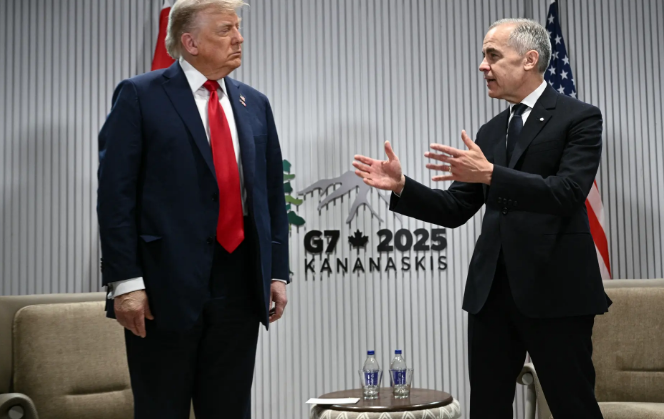
In a statement, Canada’s Department of Finance confirmed that discussions between Trump and Prime Minister Mark Carney had paved the way for a resumption of negotiations, with both sides aiming to reach a new trade and security agreement by July 21. “Rescinding the digital services tax will allow vital progress on our economic relationship with the U.S. and help support Canadian workers and businesses,” the department said.
Trump’s strong opposition to the DST had threatened to escalate into a broader trade conflict. On Friday, he pledged to announce new tariffs on Canadian goods within a week. The DST was projected to disproportionately impact major U.S. tech firms such as Apple, Meta, and Google, which generate significant revenues from Canadian users. A June 11 letter from U.S. Republican lawmakers warned that 90% of the tax’s burden would fall on American companies.
The tax had been under development for over a year and was passed by Canada’s Parliament with payments due to begin this month. Until recently, Canadian officials had remained firm. On June 19, Champagne had said publicly that Canada would not delay the tax’s rollout, emphasizing that similar levies were in place in other countries.
Trump’s response was swift and blunt. He not only froze negotiations but claimed the U.S. holds economic leverage over its northern neighbor. “Economically, we have such power over Canada,” he said in an interview with Fox News. “I’d rather not use it.”
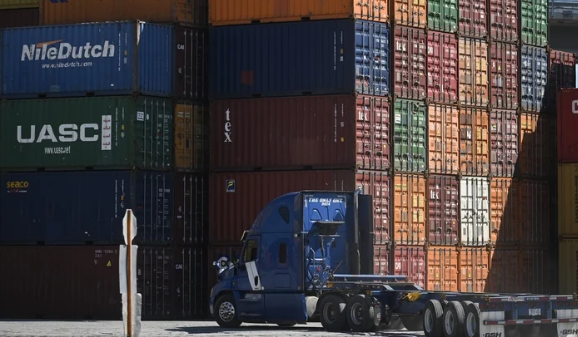
As tensions escalated, Canada countered by introducing a new 50% tariff on steel imports exceeding quota limits, citing the risk of redirected U.S.-bound products flooding its domestic market after Trump imposed his own steel tariffs in February.
Despite the dramatic exchanges, some believe both sides remain motivated to strike a deal. Colin Robertson, a former Canadian diplomat, said Trump’s aggressive posture is part of a broader negotiating strategy. “It’s about gaining leverage,” he said, adding that Canada and the U.S. are too economically intertwined not to reach an agreement.
Business leaders, meanwhile, urged caution. Goldy Hyder, CEO of the Business Council of Canada, warned that the unpredictability of the dispute is undermining business confidence. “Let’s not get in our own way here,” he said, calling for stability and renewed cooperation.
While some former officials criticized Canada’s retreat from the DST, arguing it sets a troubling precedent, the government appears focused on salvaging its critical trade relationship with the U.S.—its largest economic partner. With the July 21 deadline looming, all eyes are now on Ottawa and Washington to see if diplomacy can prevail.