















Connect with us

Hi, what are you looking for?

Politics

Belarus Heads to Polls Amidst Controversy and Russian Influence

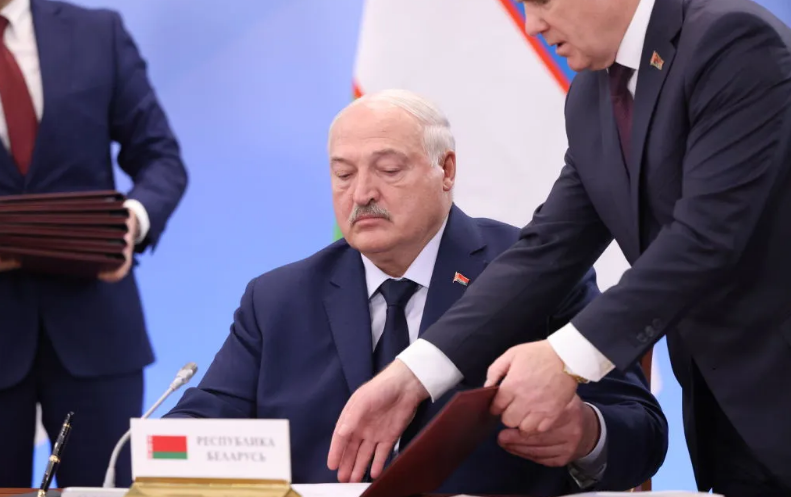
As Belarus prepares for its presidential election this weekend, President Alexander Lukashenko, widely regarded as “Europe’s last dictator,” is poised to secure a seventh term. Having moved the election from its usual summer timing to January—when protests are less likely due to cold weather—Lukashenko’s grip on power seems unchallenged, with most opposition figures either jailed or exiled.

Lukashenko, who has been in power since 1994, faces little opposition in a race where challengers have been excluded by the government. The early days of the election saw limited participation, with early voting beginning Tuesday and the final results expected Sunday. The timing of the election, which falls just after a harsh crackdown on dissent, has raised concerns about its fairness and transparency.

A Legacy of Authoritarian Rule

Once elected, Lukashenko became a staunch ally of Russian President Vladimir Putin, and their relationship has strengthened in recent years. Belarus, a former Soviet republic, is strategically located between Russia and several NATO countries, including Poland, Latvia, and Lithuania. Lukashenko’s alignment with Moscow has allowed Russia to use Belarusian territory for military purposes, most notably during its invasion of Ukraine in 2022. Lukashenko has also agreed to host Russian tactical nuclear weapons on Belarusian soil, a decision that further entrenches his dependence on Russia.

While he has maintained control through repression, Lukashenko’s administration has received criticism from Western nations, which have repeatedly called his elections neither free nor fair. During the 2020 presidential election, Lukashenko claimed victory with 80% of the vote, triggering widespread protests that were met with violent crackdowns. Thousands of Belarusians were arrested, and many independent media outlets were shut down.

Opposition and Political Repression

Since 2020, Lukashenko has stepped up efforts to silence opposition. Key political figures, including 2020 challenger Sviatlana Tsikhanouskaya, were forced to flee the country, and many have been imprisoned. Human rights organizations claim that Belarus holds over 1,300 political prisoners. Among them is Ales Bialiatski, a Nobel Peace Prize laureate and human rights advocate, who was jailed for his activism.

Ahead of the 2025 election, Lukashenko has made token concessions, including pardoning 250 individuals described as political prisoners. However, this has done little to alleviate the repression faced by his critics. Authorities have continued to arrest relatives and friends of political prisoners, while opposition candidates have been barred from running.

Lukashenko’s Growing Dependence on Russia

In December 2024, Lukashenko and Putin signed a treaty that guarantees Belarus security under Russia’s nuclear umbrella. The agreement allows Russia to deploy tactical nuclear weapons to Belarus, further cementing the country’s role in Russia’s military strategy against the West. Lukashenko has also indicated that Belarus will host Russia’s Oreshnik hypersonic missiles, increasing Moscow’s reach in Europe.

As the election draws to a close, Lukashenko’s victory is all but certain. Despite international condemnation and the absence of meaningful opposition, Belarus’ long-standing leader appears poised to continue his reign, with little hope for political change in the near future.


Business

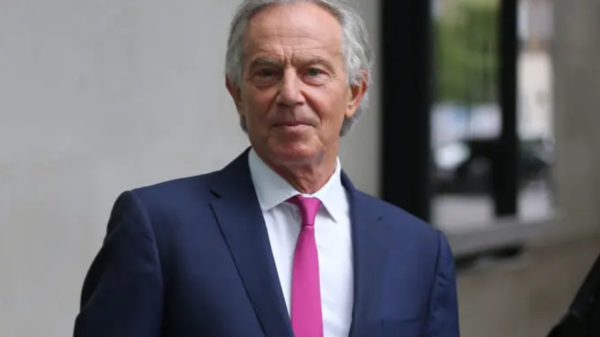
Fraudsters are increasingly using AI-generated images and videos to trick people into handing over sensitive personal and financial information, according to FraudSMART, the financial crime awareness initiative operated by the Banking and Payments Federation Ireland (BPFI). The organisation has reported a rise in online adverts promoting fake, State-backed investment schemes. These scams often use fabricated images of well-known politicians and business figures to make the offers appear legitimate and encourage users to click on registration links. Niamh Davenport, head of financial crime at BPFI, said scammers are deliberately exploiting recent media coverage of a planned State-backed savings and investment scheme to give their frauds a sense of credibility. “They often claim the scheme is open to everyone, but that places are limited and being ‘snapped up’ fast, in order to pressure people to act quickly,” she said. “They typically promise guaranteed returns or a guaranteed monthly income.” FraudSMART said that while anyone can be targeted, people in their early 50s are particularly vulnerable to investment scams. This age group is often focused on retirement planning, making them more receptive to financial offers that appear secure or high-yield. According to the organisation, most scams follow a similar pattern. Victims are first directed to click a registration link and complete a short online form providing their contact details. They are then contacted by someone posing as a financial adviser, who urges them to make an immediate “security deposit” to secure participation in the scheme. Once a payment is made, the money is quickly moved through multiple accounts, often overseas, making recovery extremely difficult. Davenport warned that scammers are becoming more sophisticated in their use of technology, particularly AI tools that allow them to create realistic but entirely fake promotional content. These materials are designed to mimic legitimate financial advertisements and build trust with potential victims. Recent figures from An Garda Síochána show investment fraud rose by 20% last year, with losses exceeding €20 million. The scale of individual scams varies widely, ranging from smaller crypto-related frauds involving a few hundred euro to large-scale investment schemes where victims lose tens of thousands. FraudSMART is urging the public to remain cautious when encountering online investment advertisements, especially those promising guaranteed returns or requiring urgent action. It also advises consumers to avoid sharing personal information with unverified sources and to be wary of pressure tactics designed to rush financial decisions. Authorities continue to warn that fraudsters are adapting quickly, using advanced digital tools to target victims across multiple platforms.

Trending

Business

Fraudsters are increasingly using AI-generated images and videos to trick people into handing over sensitive personal and financial information, according to FraudSMART, the financial crime awareness initiative operated by the Banking and Payments Federation Ireland (BPFI). The organisation has reported a rise in online adverts promoting fake, State-backed investment schemes. These scams often use fabricated images of well-known politicians and business figures to make the offers appear legitimate and encourage users to click on registration links. Niamh Davenport, head of financial crime at BPFI, said scammers are deliberately exploiting recent media coverage of a planned State-backed savings and investment scheme to give their frauds a sense of credibility. “They often claim the scheme is open to everyone, but that places are limited and being ‘snapped up’ fast, in order to pressure people to act quickly,” she said. “They typically promise guaranteed returns or a guaranteed monthly income.” FraudSMART said that while anyone can be targeted, people in their early 50s are particularly vulnerable to investment scams. This age group is often focused on retirement planning, making them more receptive to financial offers that appear secure or high-yield. According to the organisation, most scams follow a similar pattern. Victims are first directed to click a registration link and complete a short online form providing their contact details. They are then contacted by someone posing as a financial adviser, who urges them to make an immediate “security deposit” to secure participation in the scheme. Once a payment is made, the money is quickly moved through multiple accounts, often overseas, making recovery extremely difficult. Davenport warned that scammers are becoming more sophisticated in their use of technology, particularly AI tools that allow them to create realistic but entirely fake promotional content. These materials are designed to mimic legitimate financial advertisements and build trust with potential victims. Recent figures from An Garda Síochána show investment fraud rose by 20% last year, with losses exceeding €20 million. The scale of individual scams varies widely, ranging from smaller crypto-related frauds involving a few hundred euro to large-scale investment schemes where victims lose tens of thousands. FraudSMART is urging the public to remain cautious when encountering online investment advertisements, especially those promising guaranteed returns or requiring urgent action. It also advises consumers to avoid sharing personal information with unverified sources and to be wary of pressure tactics designed to rush financial decisions. Authorities continue to warn that fraudsters are adapting quickly, using advanced digital tools to target victims across multiple platforms.

You May Also Like

Politics

WASHINGTON — The Pentagon announced on Sunday that the United States will send a Terminal High Altitude Area Defense (THAAD) battery to Israel, alongside...

Health

NEW YORK — Teen smoking in the United States has reached an all-time low in 2024, with significant declines in overall youth tobacco use,...

Politics

WASHINGTON — As the countdown to the November 5 presidential election continues, former President Donald Trump is urging his supporters to aim for a...

Politics

In September, NASA announced that summer 2024 was the hottest on record. Just days later, the U.S. faced the dual impact of Hurricanes Helene...