



















Connect with us

Hi, what are you looking for?

Politics

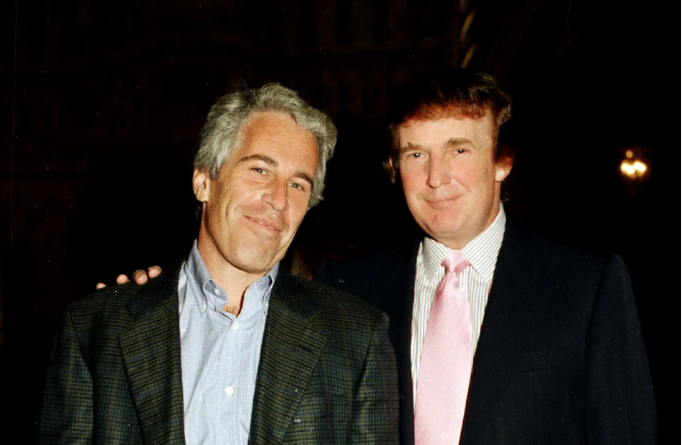
A new memo from the U.S. Department of Justice and FBI has reignited fierce debate surrounding the death of Jeffrey Epstein and the alleged existence of a high-profile client list. The document, obtained by Axios and ABC News, claims there is no evidence the disgraced financier was murdered, blackmailed others, or kept a secret list of associates involved in his sex trafficking crimes.

Epstein, a convicted sex offender with deep connections to some of the world’s most powerful individuals, died in a Manhattan jail in 2019 while awaiting trial on federal sex trafficking charges. His death was officially ruled a suicide, but it has long been shrouded in controversy, spawning a host of conspiracy theories — particularly among right-wing commentators and figures.

The newly surfaced memo, which is undated and unsigned, refers to Epstein as a man who “harmed over one thousand victims” but insists that no further disclosures about potential co-conspirators are necessary or appropriate. It includes links to surveillance footage from the jail where Epstein died and states: “Perpetuating unfounded theories about Epstein serves neither justice nor the victims.”

However, the document has sparked a backlash from conservative activists and online influencers, many of whom have demanded transparency since Epstein’s death. “So Epstein was trafficking these underage girls to nobody? Is Pam Bondi serious?” posted right-wing commentator Robby Starbuck on X, formerly Twitter.

During his 2024 campaign, Donald Trump pledged to release all Epstein-related records if elected. But after returning to office, his administration faced criticism for releasing mostly previously public documents. Attorney General Pam Bondi had earlier claimed the “client list” was “sitting on my desk,” but later accused the FBI of failing to deliver a complete file.

Frustration among Trump supporters has grown, with conspiracy theorists turning on FBI Director Kash Patel and Deputy Director Dan Bongino — both former Trump allies — for allegedly withholding information. The situation escalated further after Elon Musk, a former Trump adviser who left the administration in May, hinted that unreleased Epstein files might implicate the president himself. In a since-deleted post, Musk claimed: “That is the real reason they have not been made public.”

Despite the memo’s contents, the DOJ and FBI have yet to officially confirm its authenticity. Critics argue the memo appears to be an attempt to shut down further scrutiny. “This is the Trump administration spitting in everyone’s face and curb-stomping MAGA/Epstein victims,” wrote QAnon figure John Sabal, known online as “QAnon John.”

With the memo’s release only intensifying public outcry, pressure continues to mount for a full and transparent accounting of Epstein’s activities — and who may have enabled them.


Business

Fraudsters are increasingly using AI-generated images and videos to trick people into handing over sensitive personal and financial information, according to FraudSMART, the financial crime awareness initiative operated by the Banking and Payments Federation Ireland (BPFI). The organisation has reported a rise in online adverts promoting fake, State-backed investment schemes. These scams often use fabricated images of well-known politicians and business figures to make the offers appear legitimate and encourage users to click on registration links. Niamh Davenport, head of financial crime at BPFI, said scammers are deliberately exploiting recent media coverage of a planned State-backed savings and investment scheme to give their frauds a sense of credibility. “They often claim the scheme is open to everyone, but that places are limited and being ‘snapped up’ fast, in order to pressure people to act quickly,” she said. “They typically promise guaranteed returns or a guaranteed monthly income.” FraudSMART said that while anyone can be targeted, people in their early 50s are particularly vulnerable to investment scams. This age group is often focused on retirement planning, making them more receptive to financial offers that appear secure or high-yield. According to the organisation, most scams follow a similar pattern. Victims are first directed to click a registration link and complete a short online form providing their contact details. They are then contacted by someone posing as a financial adviser, who urges them to make an immediate “security deposit” to secure participation in the scheme. Once a payment is made, the money is quickly moved through multiple accounts, often overseas, making recovery extremely difficult. Davenport warned that scammers are becoming more sophisticated in their use of technology, particularly AI tools that allow them to create realistic but entirely fake promotional content. These materials are designed to mimic legitimate financial advertisements and build trust with potential victims. Recent figures from An Garda Síochána show investment fraud rose by 20% last year, with losses exceeding €20 million. The scale of individual scams varies widely, ranging from smaller crypto-related frauds involving a few hundred euro to large-scale investment schemes where victims lose tens of thousands. FraudSMART is urging the public to remain cautious when encountering online investment advertisements, especially those promising guaranteed returns or requiring urgent action. It also advises consumers to avoid sharing personal information with unverified sources and to be wary of pressure tactics designed to rush financial decisions. Authorities continue to warn that fraudsters are adapting quickly, using advanced digital tools to target victims across multiple platforms.

Trending

Business

Fraudsters are increasingly using AI-generated images and videos to trick people into handing over sensitive personal and financial information, according to FraudSMART, the financial crime awareness initiative operated by the Banking and Payments Federation Ireland (BPFI). The organisation has reported a rise in online adverts promoting fake, State-backed investment schemes. These scams often use fabricated images of well-known politicians and business figures to make the offers appear legitimate and encourage users to click on registration links. Niamh Davenport, head of financial crime at BPFI, said scammers are deliberately exploiting recent media coverage of a planned State-backed savings and investment scheme to give their frauds a sense of credibility. “They often claim the scheme is open to everyone, but that places are limited and being ‘snapped up’ fast, in order to pressure people to act quickly,” she said. “They typically promise guaranteed returns or a guaranteed monthly income.” FraudSMART said that while anyone can be targeted, people in their early 50s are particularly vulnerable to investment scams. This age group is often focused on retirement planning, making them more receptive to financial offers that appear secure or high-yield. According to the organisation, most scams follow a similar pattern. Victims are first directed to click a registration link and complete a short online form providing their contact details. They are then contacted by someone posing as a financial adviser, who urges them to make an immediate “security deposit” to secure participation in the scheme. Once a payment is made, the money is quickly moved through multiple accounts, often overseas, making recovery extremely difficult. Davenport warned that scammers are becoming more sophisticated in their use of technology, particularly AI tools that allow them to create realistic but entirely fake promotional content. These materials are designed to mimic legitimate financial advertisements and build trust with potential victims. Recent figures from An Garda Síochána show investment fraud rose by 20% last year, with losses exceeding €20 million. The scale of individual scams varies widely, ranging from smaller crypto-related frauds involving a few hundred euro to large-scale investment schemes where victims lose tens of thousands. FraudSMART is urging the public to remain cautious when encountering online investment advertisements, especially those promising guaranteed returns or requiring urgent action. It also advises consumers to avoid sharing personal information with unverified sources and to be wary of pressure tactics designed to rush financial decisions. Authorities continue to warn that fraudsters are adapting quickly, using advanced digital tools to target victims across multiple platforms.

You May Also Like

Politics

WASHINGTON — The Pentagon announced on Sunday that the United States will send a Terminal High Altitude Area Defense (THAAD) battery to Israel, alongside...

Health

NEW YORK — Teen smoking in the United States has reached an all-time low in 2024, with significant declines in overall youth tobacco use,...

Politics

WASHINGTON — As the countdown to the November 5 presidential election continues, former President Donald Trump is urging his supporters to aim for a...

Politics

In September, NASA announced that summer 2024 was the hottest on record. Just days later, the U.S. faced the dual impact of Hurricanes Helene...