

















Connect with us

Hi, what are you looking for?

News

UK Withdraws Support for $1.15bn Mozambique Gas Project Over Climate and Security Concerns

The UK government has pulled its backing for a $1.15 billion (£870 million) loan to a major gas development in Mozambique, citing environmental, human rights, and security risks. The project, led by French energy company TotalEnergies, has faced delays and controversy for several years.

Business Secretary Peter Kyle confirmed on Monday that UK Export Finance (UKEF) would withdraw support for the long-delayed liquified natural gas project. The decision comes five years after the scheme became a focal point for environmental protests and criticism over its role in destabilising Cabo Delgado province.

The project has been on hold since 2021, when Islamist militants attacked the town of Palma, killing more than 800 people and forcing Total to evacuate staff. The company has indicated plans to resume operations in the coming months following enhanced security measures in the region.

Kyle said the government’s decision followed “a comprehensive assessment of the project and the interests of UK taxpayers.” He added: “Whilst these decisions are never easy, the government believes that UK financing of this project will not advance the interests of our country.”

The UK had initially approved the loan in 2020, shortly after MPs on the environmental audit committee urged the previous Conservative government to stop funding overseas fossil fuel projects. Critics warned such support conflicted with the UK’s climate commitments.

UKEF had previously argued that the project could support more than 2,000 UK jobs, benefit small businesses, and contribute to economic development in Mozambique. A 2019 agreement with Centrica raised the possibility that gas from the project could supply British households.

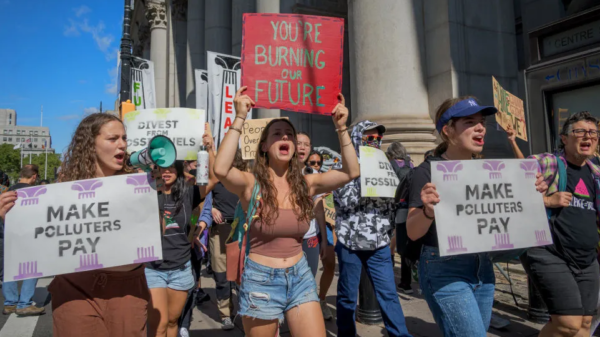
Environmental and development campaigners have long criticised the scheme, highlighting its climate impact and the forced relocation of local communities. Mozambique is considered one of the countries most vulnerable to climate change, and experts have argued the nation should receive support for renewable energy development instead.

Antoine Bouhey of Reclaim Finance welcomed the UK’s move, calling the project “riddled with problems and cannot be supported.” He urged other major lenders, including Standard Chartered, Crédit Agricole, and Société Générale, to follow suit.

Friends of the Earth chief executive Asad Rehman said the decision was “long overdue” and described the gas project as “a huge carbon timebomb, linked to serious human rights abuses.” He called on other governments to withdraw backing and urged the UK to focus on climate adaptation and clean energy projects in Mozambique, where about 60% of the population still lacks access to electricity.

The withdrawal marks a significant setback for TotalEnergies and raises questions about the future of large-scale fossil fuel investments in regions affected by conflict and climate vulnerability. It also signals the UK government’s increasing willingness to align overseas finance with environmental and human rights considerations.


Business

Fraudsters are increasingly using AI-generated images and videos to trick people into handing over sensitive personal and financial information, according to FraudSMART, the financial crime awareness initiative operated by the Banking and Payments Federation Ireland (BPFI). The organisation has reported a rise in online adverts promoting fake, State-backed investment schemes. These scams often use fabricated images of well-known politicians and business figures to make the offers appear legitimate and encourage users to click on registration links. Niamh Davenport, head of financial crime at BPFI, said scammers are deliberately exploiting recent media coverage of a planned State-backed savings and investment scheme to give their frauds a sense of credibility. “They often claim the scheme is open to everyone, but that places are limited and being ‘snapped up’ fast, in order to pressure people to act quickly,” she said. “They typically promise guaranteed returns or a guaranteed monthly income.” FraudSMART said that while anyone can be targeted, people in their early 50s are particularly vulnerable to investment scams. This age group is often focused on retirement planning, making them more receptive to financial offers that appear secure or high-yield. According to the organisation, most scams follow a similar pattern. Victims are first directed to click a registration link and complete a short online form providing their contact details. They are then contacted by someone posing as a financial adviser, who urges them to make an immediate “security deposit” to secure participation in the scheme. Once a payment is made, the money is quickly moved through multiple accounts, often overseas, making recovery extremely difficult. Davenport warned that scammers are becoming more sophisticated in their use of technology, particularly AI tools that allow them to create realistic but entirely fake promotional content. These materials are designed to mimic legitimate financial advertisements and build trust with potential victims. Recent figures from An Garda Síochána show investment fraud rose by 20% last year, with losses exceeding €20 million. The scale of individual scams varies widely, ranging from smaller crypto-related frauds involving a few hundred euro to large-scale investment schemes where victims lose tens of thousands. FraudSMART is urging the public to remain cautious when encountering online investment advertisements, especially those promising guaranteed returns or requiring urgent action. It also advises consumers to avoid sharing personal information with unverified sources and to be wary of pressure tactics designed to rush financial decisions. Authorities continue to warn that fraudsters are adapting quickly, using advanced digital tools to target victims across multiple platforms.

Trending

Business

Fraudsters are increasingly using AI-generated images and videos to trick people into handing over sensitive personal and financial information, according to FraudSMART, the financial crime awareness initiative operated by the Banking and Payments Federation Ireland (BPFI). The organisation has reported a rise in online adverts promoting fake, State-backed investment schemes. These scams often use fabricated images of well-known politicians and business figures to make the offers appear legitimate and encourage users to click on registration links. Niamh Davenport, head of financial crime at BPFI, said scammers are deliberately exploiting recent media coverage of a planned State-backed savings and investment scheme to give their frauds a sense of credibility. “They often claim the scheme is open to everyone, but that places are limited and being ‘snapped up’ fast, in order to pressure people to act quickly,” she said. “They typically promise guaranteed returns or a guaranteed monthly income.” FraudSMART said that while anyone can be targeted, people in their early 50s are particularly vulnerable to investment scams. This age group is often focused on retirement planning, making them more receptive to financial offers that appear secure or high-yield. According to the organisation, most scams follow a similar pattern. Victims are first directed to click a registration link and complete a short online form providing their contact details. They are then contacted by someone posing as a financial adviser, who urges them to make an immediate “security deposit” to secure participation in the scheme. Once a payment is made, the money is quickly moved through multiple accounts, often overseas, making recovery extremely difficult. Davenport warned that scammers are becoming more sophisticated in their use of technology, particularly AI tools that allow them to create realistic but entirely fake promotional content. These materials are designed to mimic legitimate financial advertisements and build trust with potential victims. Recent figures from An Garda Síochána show investment fraud rose by 20% last year, with losses exceeding €20 million. The scale of individual scams varies widely, ranging from smaller crypto-related frauds involving a few hundred euro to large-scale investment schemes where victims lose tens of thousands. FraudSMART is urging the public to remain cautious when encountering online investment advertisements, especially those promising guaranteed returns or requiring urgent action. It also advises consumers to avoid sharing personal information with unverified sources and to be wary of pressure tactics designed to rush financial decisions. Authorities continue to warn that fraudsters are adapting quickly, using advanced digital tools to target victims across multiple platforms.

You May Also Like

Politics

WASHINGTON — The Pentagon announced on Sunday that the United States will send a Terminal High Altitude Area Defense (THAAD) battery to Israel, alongside...

Health

NEW YORK — Teen smoking in the United States has reached an all-time low in 2024, with significant declines in overall youth tobacco use,...

Politics

WASHINGTON — As the countdown to the November 5 presidential election continues, former President Donald Trump is urging his supporters to aim for a...

Politics

In September, NASA announced that summer 2024 was the hottest on record. Just days later, the U.S. faced the dual impact of Hurricanes Helene...