













Connect with us

Hi, what are you looking for?

News

Labour Donor Urges Britain to Halt North Sea Oil Exports Amid Iran Crisis

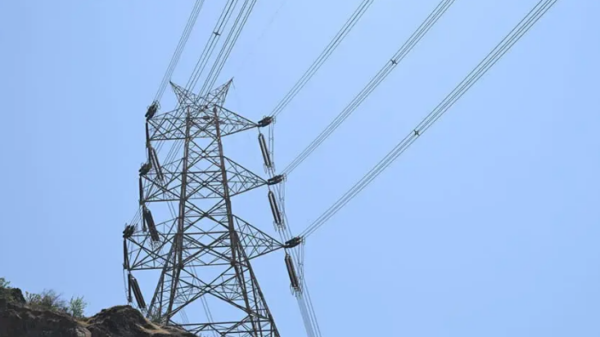
One of the Labour Party’s most prominent financial backers has called on Energy Secretary Ed Miliband to stop exports of North Sea oil and gas, warning that the escalating conflict with Iran could leave the UK dangerously exposed to fuel shortages.

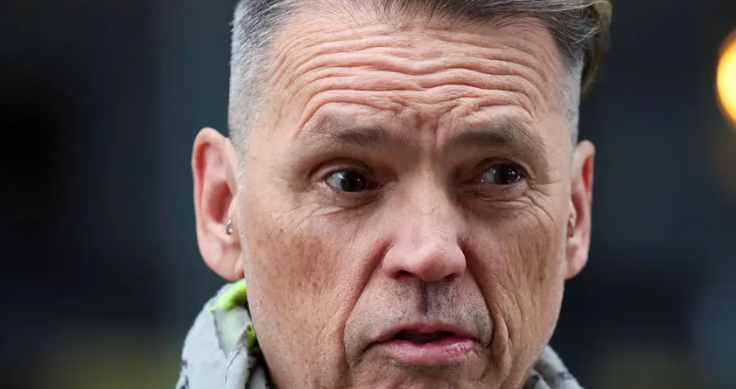
Dale Vince, founder of green energy company Ecotricity, told the Daily Telegraph that the government should instruct operators to prioritise domestic supply if markets tighten. He described it as “bonkers” to continue sending British barrels overseas while households and businesses face rising energy costs. “We can ban exports from the North Sea. China have done it,” he said, highlighting Beijing’s willingness to prioritise domestic consumption during times of strain.

Britain produces around 53 million tonnes of crude annually, most of which is exported to refineries in the Netherlands, Poland, and other countries. The UK then imports roughly 51 million tonnes to meet domestic demand, leaving it fully exposed to global price swings. The recent closure of the Strait of Hormuz by Iran has tightened international oil and liquefied natural gas supplies, sending Brent crude from $77 to about $109 per barrel. Wholesale gas prices have risen by roughly 75 per cent, pushing pump prices higher and prompting warnings of a steep increase in household energy bills.

The crisis has reignited debate over Britain’s energy security, with some industry voices urging Mr Miliband to approve drilling at the Rosebank and Jackdaw fields. Reports suggest the Energy Secretary may approve Jackdaw while blocking Rosebank, a move expected to intensify disagreements within the sector.

Mr Vince remains opposed to new field expansion but called for extracting maximum value from existing North Sea reserves. He proposed offering operators contracts for difference, a mechanism usually used in renewable energy, to prevent “a cliff-edge event where operators walk away because prices collapse.”

The suggestion is likely to meet resistance from private producers who rely on international sales for most of their revenue. Yet Mr Vince argued that current policies leave domestic production tied to volatile global markets. “We’re back to a situation where whatever we make in the North Sea costs us the global price,” he said. He contrasted this with the United States, which limits certain fuel exports and has long benefited from lower domestic gas prices.

He also warned that Britain’s dependence on the US for energy imports, which account for around 30 per cent of UK crude, poses a strategic risk. “It alarms me to be reliant on the US for anything,” he said, calling for greater independence from Washington. Ultimately, he argued, the long-term solution is to reduce reliance on hydrocarbons entirely. “The answer is to get off fossil fuels and to break the link between the global price of fossil fuels and those that we make in our country.”

A government spokesperson defended the current approach, noting that the UK benefits from a “strong and diverse mix of fuel supply” and that domestic refinery output exceeded demand in 2025, leaving a surplus for export.


Business

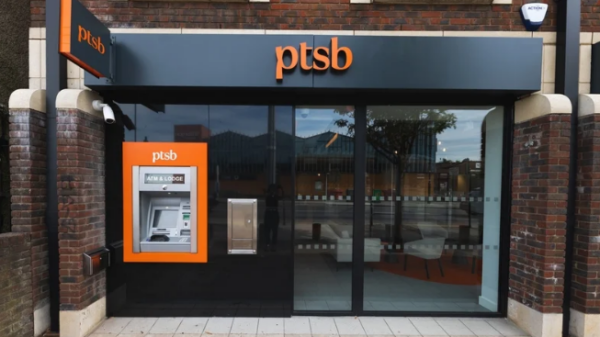
Fraudsters are increasingly using AI-generated images and videos to trick people into handing over sensitive personal and financial information, according to FraudSMART, the financial crime awareness initiative operated by the Banking and Payments Federation Ireland (BPFI). The organisation has reported a rise in online adverts promoting fake, State-backed investment schemes. These scams often use fabricated images of well-known politicians and business figures to make the offers appear legitimate and encourage users to click on registration links. Niamh Davenport, head of financial crime at BPFI, said scammers are deliberately exploiting recent media coverage of a planned State-backed savings and investment scheme to give their frauds a sense of credibility. “They often claim the scheme is open to everyone, but that places are limited and being ‘snapped up’ fast, in order to pressure people to act quickly,” she said. “They typically promise guaranteed returns or a guaranteed monthly income.” FraudSMART said that while anyone can be targeted, people in their early 50s are particularly vulnerable to investment scams. This age group is often focused on retirement planning, making them more receptive to financial offers that appear secure or high-yield. According to the organisation, most scams follow a similar pattern. Victims are first directed to click a registration link and complete a short online form providing their contact details. They are then contacted by someone posing as a financial adviser, who urges them to make an immediate “security deposit” to secure participation in the scheme. Once a payment is made, the money is quickly moved through multiple accounts, often overseas, making recovery extremely difficult. Davenport warned that scammers are becoming more sophisticated in their use of technology, particularly AI tools that allow them to create realistic but entirely fake promotional content. These materials are designed to mimic legitimate financial advertisements and build trust with potential victims. Recent figures from An Garda Síochána show investment fraud rose by 20% last year, with losses exceeding €20 million. The scale of individual scams varies widely, ranging from smaller crypto-related frauds involving a few hundred euro to large-scale investment schemes where victims lose tens of thousands. FraudSMART is urging the public to remain cautious when encountering online investment advertisements, especially those promising guaranteed returns or requiring urgent action. It also advises consumers to avoid sharing personal information with unverified sources and to be wary of pressure tactics designed to rush financial decisions. Authorities continue to warn that fraudsters are adapting quickly, using advanced digital tools to target victims across multiple platforms.

Trending

Business

Fraudsters are increasingly using AI-generated images and videos to trick people into handing over sensitive personal and financial information, according to FraudSMART, the financial crime awareness initiative operated by the Banking and Payments Federation Ireland (BPFI). The organisation has reported a rise in online adverts promoting fake, State-backed investment schemes. These scams often use fabricated images of well-known politicians and business figures to make the offers appear legitimate and encourage users to click on registration links. Niamh Davenport, head of financial crime at BPFI, said scammers are deliberately exploiting recent media coverage of a planned State-backed savings and investment scheme to give their frauds a sense of credibility. “They often claim the scheme is open to everyone, but that places are limited and being ‘snapped up’ fast, in order to pressure people to act quickly,” she said. “They typically promise guaranteed returns or a guaranteed monthly income.” FraudSMART said that while anyone can be targeted, people in their early 50s are particularly vulnerable to investment scams. This age group is often focused on retirement planning, making them more receptive to financial offers that appear secure or high-yield. According to the organisation, most scams follow a similar pattern. Victims are first directed to click a registration link and complete a short online form providing their contact details. They are then contacted by someone posing as a financial adviser, who urges them to make an immediate “security deposit” to secure participation in the scheme. Once a payment is made, the money is quickly moved through multiple accounts, often overseas, making recovery extremely difficult. Davenport warned that scammers are becoming more sophisticated in their use of technology, particularly AI tools that allow them to create realistic but entirely fake promotional content. These materials are designed to mimic legitimate financial advertisements and build trust with potential victims. Recent figures from An Garda Síochána show investment fraud rose by 20% last year, with losses exceeding €20 million. The scale of individual scams varies widely, ranging from smaller crypto-related frauds involving a few hundred euro to large-scale investment schemes where victims lose tens of thousands. FraudSMART is urging the public to remain cautious when encountering online investment advertisements, especially those promising guaranteed returns or requiring urgent action. It also advises consumers to avoid sharing personal information with unverified sources and to be wary of pressure tactics designed to rush financial decisions. Authorities continue to warn that fraudsters are adapting quickly, using advanced digital tools to target victims across multiple platforms.

You May Also Like

Politics

WASHINGTON — The Pentagon announced on Sunday that the United States will send a Terminal High Altitude Area Defense (THAAD) battery to Israel, alongside...

Health

NEW YORK — Teen smoking in the United States has reached an all-time low in 2024, with significant declines in overall youth tobacco use,...

Politics

WASHINGTON — As the countdown to the November 5 presidential election continues, former President Donald Trump is urging his supporters to aim for a...

Politics

In September, NASA announced that summer 2024 was the hottest on record. Just days later, the U.S. faced the dual impact of Hurricanes Helene...