










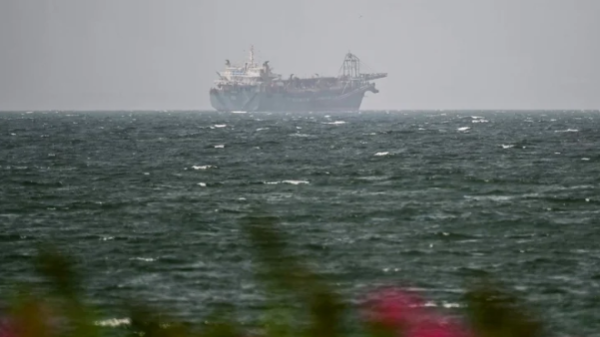
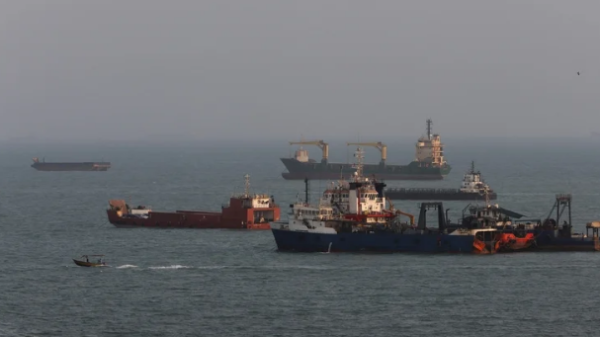






The Central Bank has warned that the ongoing conflict in Iran could trigger a severe energy shock, pushing inflation above 4% and eroding household incomes as fuel prices rise.
In its latest economic forecast, the bank projected domestic growth at 2.9% for 2026, down from 4.9% in 2025. Under a severe scenario linked to the war, inflation could reach 4.2% this year and remain close to 4% in 2027. The bank emphasized that the economic impact will depend on the duration of the conflict and the extent of damage to critical Middle Eastern infrastructure.
“The extent of these effects really is dependent on the duration and intensity of the conflict and the scale of damage to critical infrastructure in the Middle East,” said Robert Kelly, the Central Bank’s Director of Economics and Statistics. He added that the situation highlights how sensitive the Irish economy is to global developments and the importance of maintaining resilience in public finances.
The bank also warned that the Government’s ability to respond to the fallout from the Iran war could become increasingly constrained. It called on policymakers to focus on targeted and temporary measures to support the most vulnerable households.
Under its baseline projections, the bank expects inflation to average 2.9% in 2026. Unemployment is forecast to rise gradually, surpassing 5% as slower growth affects the labour market. Housing completions are expected to reach 40,000 this year, up from 36,000 in 2025, with further growth to 43,000 units in 2027 and 46,000 in 2028. The bank noted that this increase in housing output will rely on the timely delivery of public infrastructure.
Speaking on RTÉ’s Morning Ireland, Kelly highlighted that the Government has less fiscal headroom to respond compared with similar crises in 2022, when higher corporation tax receipts provided more flexibility. He said the underlying deficit, excluding windfall gains from multinationals, is projected to double by 2028 as spending outpaces revenue.
Kelly added that the design of cost-of-living measures would be crucial in mitigating the impact on households. “They have a billion euro contingency fund announced in a large budget. The package here is about €250–320 million, so it is within that,” he said. He stressed that the effectiveness of these interventions will depend on how well they target those most affected by rising energy costs.
The Central Bank’s warning underscores the challenges facing the Irish economy as global conflicts and energy price volatility intersect with domestic fiscal pressures. Policymakers face the task of protecting households while maintaining sustainable public finances amid growing uncertainty in international markets.