
















Connect with us

Hi, what are you looking for?

News

Formula 1 Likely to Cancel Bahrain and Saudi Arabian Grands Prix Amid Middle East Tensions

Formula 1 is expected to cancel the Bahrain and Saudi Arabian Grands Prix in April due to escalating conflict in the Middle East, potentially reducing the 2026 season to 22 races. The Bahrain Grand Prix was scheduled for 10–12 April, followed by the Saudi Arabian Grand Prix in Jeddah on 17–19 April. Both events form the fourth and fifth rounds of the championship.

The Gulf region has been targeted by Iranian strikes in retaliation for US and Israeli military operations, creating heightened security risks for international sporting events. Sources close to the sport indicate a formal cancellation could be announced before the end of the weekend, as organisers assess the situation.

Safety remains the primary concern for Formula 1 and the sport’s governing body, the Fédération Internationale de l’Automobile (FIA). Organisers have reportedly concluded that staging races in the Gulf amid ongoing military tensions would present unacceptable risks to teams, staff, and fans.

According to Business Matters, which is covering the Chinese Grand Prix in Shanghai, the races are expected to be removed entirely from the calendar rather than postponed. If confirmed, the cancellations would create a five-week gap between the Japanese Grand Prix, held from 27–29 March, and the Miami Grand Prix, set for 1–3 May. This early-season hiatus is unusual, as April normally features several races as the championship builds momentum.

While Formula 1 has previously rearranged or replaced cancelled races, sources suggest the packed March-to-December schedule makes finding alternative venues unlikely. The 2026 season is therefore anticipated to run over 22 race weekends instead of the originally planned 24.

The Middle East has become a crucial region for Formula 1 over the past two decades. Bahrain joined the calendar in 2004 and traditionally hosts the season opener, while Jeddah debuted in 2021 as part of the sport’s Gulf expansion. Both races are major sporting and commercial events, attracting international audiences and significant government investment.

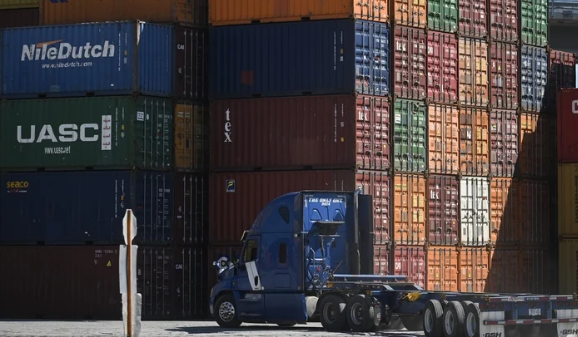
The current conflict has already disrupted global transport networks, energy markets, and commercial shipping routes, raising concerns over the viability of hosting large-scale events in the region. Teams, broadcasters, and logistics partners face challenges in moving equipment and personnel safely amid heightened military activity.

Formula 1 Management, the FIA, and race organisers continue to monitor the situation and are expected to issue official confirmation once discussions conclude.

Meanwhile, attention remains on the Chinese Grand Prix in Shanghai. Mercedes driver George Russell is aiming to build on his opening-race victory and extend his early championship lead. With two races potentially removed, competition for points could intensify as teams navigate a shorter calendar in what is shaping up to be a highly unpredictable Formula 1 season.


Business

Fraudsters are increasingly using AI-generated images and videos to trick people into handing over sensitive personal and financial information, according to FraudSMART, the financial crime awareness initiative operated by the Banking and Payments Federation Ireland (BPFI). The organisation has reported a rise in online adverts promoting fake, State-backed investment schemes. These scams often use fabricated images of well-known politicians and business figures to make the offers appear legitimate and encourage users to click on registration links. Niamh Davenport, head of financial crime at BPFI, said scammers are deliberately exploiting recent media coverage of a planned State-backed savings and investment scheme to give their frauds a sense of credibility. “They often claim the scheme is open to everyone, but that places are limited and being ‘snapped up’ fast, in order to pressure people to act quickly,” she said. “They typically promise guaranteed returns or a guaranteed monthly income.” FraudSMART said that while anyone can be targeted, people in their early 50s are particularly vulnerable to investment scams. This age group is often focused on retirement planning, making them more receptive to financial offers that appear secure or high-yield. According to the organisation, most scams follow a similar pattern. Victims are first directed to click a registration link and complete a short online form providing their contact details. They are then contacted by someone posing as a financial adviser, who urges them to make an immediate “security deposit” to secure participation in the scheme. Once a payment is made, the money is quickly moved through multiple accounts, often overseas, making recovery extremely difficult. Davenport warned that scammers are becoming more sophisticated in their use of technology, particularly AI tools that allow them to create realistic but entirely fake promotional content. These materials are designed to mimic legitimate financial advertisements and build trust with potential victims. Recent figures from An Garda Síochána show investment fraud rose by 20% last year, with losses exceeding €20 million. The scale of individual scams varies widely, ranging from smaller crypto-related frauds involving a few hundred euro to large-scale investment schemes where victims lose tens of thousands. FraudSMART is urging the public to remain cautious when encountering online investment advertisements, especially those promising guaranteed returns or requiring urgent action. It also advises consumers to avoid sharing personal information with unverified sources and to be wary of pressure tactics designed to rush financial decisions. Authorities continue to warn that fraudsters are adapting quickly, using advanced digital tools to target victims across multiple platforms.

Trending

Business

Fraudsters are increasingly using AI-generated images and videos to trick people into handing over sensitive personal and financial information, according to FraudSMART, the financial crime awareness initiative operated by the Banking and Payments Federation Ireland (BPFI). The organisation has reported a rise in online adverts promoting fake, State-backed investment schemes. These scams often use fabricated images of well-known politicians and business figures to make the offers appear legitimate and encourage users to click on registration links. Niamh Davenport, head of financial crime at BPFI, said scammers are deliberately exploiting recent media coverage of a planned State-backed savings and investment scheme to give their frauds a sense of credibility. “They often claim the scheme is open to everyone, but that places are limited and being ‘snapped up’ fast, in order to pressure people to act quickly,” she said. “They typically promise guaranteed returns or a guaranteed monthly income.” FraudSMART said that while anyone can be targeted, people in their early 50s are particularly vulnerable to investment scams. This age group is often focused on retirement planning, making them more receptive to financial offers that appear secure or high-yield. According to the organisation, most scams follow a similar pattern. Victims are first directed to click a registration link and complete a short online form providing their contact details. They are then contacted by someone posing as a financial adviser, who urges them to make an immediate “security deposit” to secure participation in the scheme. Once a payment is made, the money is quickly moved through multiple accounts, often overseas, making recovery extremely difficult. Davenport warned that scammers are becoming more sophisticated in their use of technology, particularly AI tools that allow them to create realistic but entirely fake promotional content. These materials are designed to mimic legitimate financial advertisements and build trust with potential victims. Recent figures from An Garda Síochána show investment fraud rose by 20% last year, with losses exceeding €20 million. The scale of individual scams varies widely, ranging from smaller crypto-related frauds involving a few hundred euro to large-scale investment schemes where victims lose tens of thousands. FraudSMART is urging the public to remain cautious when encountering online investment advertisements, especially those promising guaranteed returns or requiring urgent action. It also advises consumers to avoid sharing personal information with unverified sources and to be wary of pressure tactics designed to rush financial decisions. Authorities continue to warn that fraudsters are adapting quickly, using advanced digital tools to target victims across multiple platforms.

You May Also Like

Politics

WASHINGTON — The Pentagon announced on Sunday that the United States will send a Terminal High Altitude Area Defense (THAAD) battery to Israel, alongside...

Health

NEW YORK — Teen smoking in the United States has reached an all-time low in 2024, with significant declines in overall youth tobacco use,...

Politics

WASHINGTON — As the countdown to the November 5 presidential election continues, former President Donald Trump is urging his supporters to aim for a...

Politics

In September, NASA announced that summer 2024 was the hottest on record. Just days later, the U.S. faced the dual impact of Hurricanes Helene...