
















Connect with us

Hi, what are you looking for?

News

Deadly Winter Storms Bring Floods, Tornadoes, and Arctic Cold Across the U.S.

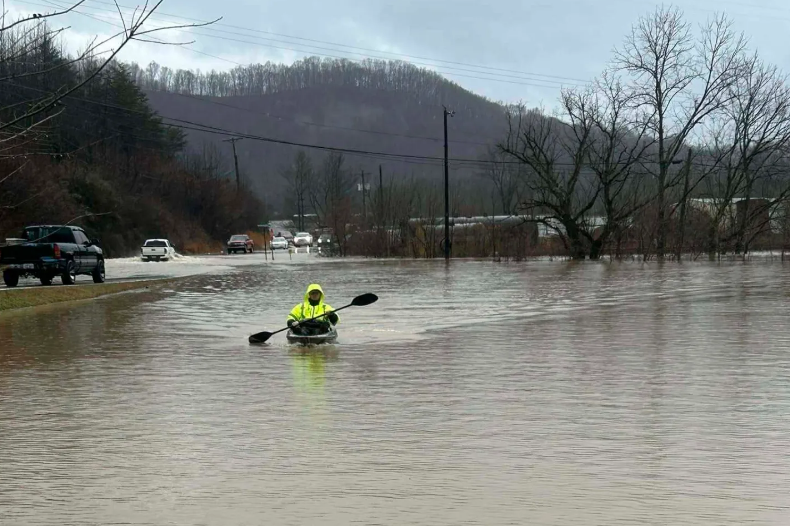
A powerful winter storm system continues to batter much of the United States, bringing deadly flooding to Kentucky, life-threatening cold to the Northern Plains, and severe storms across the Southeast.

At least two people have died in Kentucky, where relentless rain has triggered flash floods, submerging roads and buildings. Meanwhile, parts of New England brace for heavy snow and sleet, and the Northern Plains face temperatures plunging as low as minus 50 degrees Fahrenheit (minus 45.6 Celsius) due to a polar vortex event.

Kentucky Faces Deadly Flooding

In Clay County, Kentucky, a 73-year-old man was found dead in floodwaters, local officials confirmed. In Hart County, authorities are investigating a second fatality involving a youth and are searching for another missing individual.

Floodwaters have engulfed homes, businesses, and vehicles, while mudslides have blocked roads in Virginia. The Kentucky River Medical Center in Jackson was forced to shut down its emergency department, transferring patients to other facilities.

Governor Andy Beshear declared a state of emergency, warning residents to stay off the roads and announcing plans to seek federal disaster relief from the White House. Parts of western Kentucky could see up to eight inches of rain (20.3 cm) before the storm subsides.

Emergency rescue teams worked through the night, responding to stranded motorists and flooded homes. The Simpson County Office of Emergency Management urged residents: “Stay home if you can.”

Arctic Cold Grips the Northern Plains

While Kentucky battles floodwaters, the Northern Plains is enduring brutally cold temperatures. The Dakotas and Minnesota are experiencing wind chills of minus 40 to minus 50 degrees Fahrenheit, raising concerns of frostbite and hypothermia within minutes of exposure.

Meteorologists warn that this marks the 10th and coldest polar vortex stretching event of the season, pushing Arctic air deep into the U.S. In Denver, where temperatures are expected to drop to 14 degrees Fahrenheit (minus 10 degrees Celsius), officials have opened emergency shelters for the unhoused population.

Tornadoes Hit the Southeast

Severe storms tore through Georgia and Florida, with the National Weather Service issuing tornado watches. Strong winds and heavy rain caused widespread damage, downing trees and power lines.

New England Braces for Snow and Ice

Further north, New England is preparing for a major snowstorm that could dump up to a foot of snow (30.5 cm) in upstate New York and northern New England before transitioning to sleet.

The National Weather Service warns that ice accumulations of up to a quarter-inch could cause treacherous travel conditions and power outages.

California Struggles with Mudslides

Meanwhile, in Southern California, residents are cleaning up after a devastating storm triggered mudslides. In Sierra Madre, floodwaters trapped vehicles and damaged homes, while bulldozers worked to clear streets coated in thick mud and debris.

Looking Ahead

With extreme weather impacting multiple regions, officials urge residents to stay alert and take necessary precautions. Emergency crews continue to rescue stranded individuals, while meteorologists warn that more severe weather could be on the way.


Business

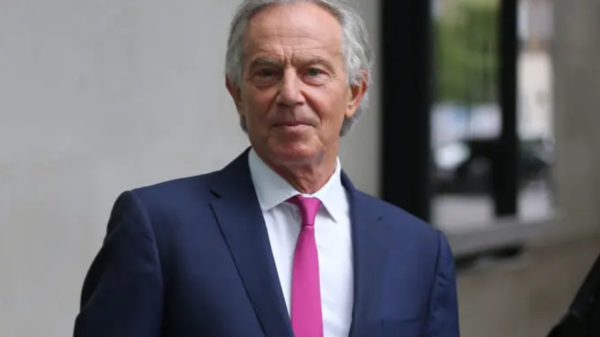
Fraudsters are increasingly using AI-generated images and videos to trick people into handing over sensitive personal and financial information, according to FraudSMART, the financial crime awareness initiative operated by the Banking and Payments Federation Ireland (BPFI). The organisation has reported a rise in online adverts promoting fake, State-backed investment schemes. These scams often use fabricated images of well-known politicians and business figures to make the offers appear legitimate and encourage users to click on registration links. Niamh Davenport, head of financial crime at BPFI, said scammers are deliberately exploiting recent media coverage of a planned State-backed savings and investment scheme to give their frauds a sense of credibility. “They often claim the scheme is open to everyone, but that places are limited and being ‘snapped up’ fast, in order to pressure people to act quickly,” she said. “They typically promise guaranteed returns or a guaranteed monthly income.” FraudSMART said that while anyone can be targeted, people in their early 50s are particularly vulnerable to investment scams. This age group is often focused on retirement planning, making them more receptive to financial offers that appear secure or high-yield. According to the organisation, most scams follow a similar pattern. Victims are first directed to click a registration link and complete a short online form providing their contact details. They are then contacted by someone posing as a financial adviser, who urges them to make an immediate “security deposit” to secure participation in the scheme. Once a payment is made, the money is quickly moved through multiple accounts, often overseas, making recovery extremely difficult. Davenport warned that scammers are becoming more sophisticated in their use of technology, particularly AI tools that allow them to create realistic but entirely fake promotional content. These materials are designed to mimic legitimate financial advertisements and build trust with potential victims. Recent figures from An Garda Síochána show investment fraud rose by 20% last year, with losses exceeding €20 million. The scale of individual scams varies widely, ranging from smaller crypto-related frauds involving a few hundred euro to large-scale investment schemes where victims lose tens of thousands. FraudSMART is urging the public to remain cautious when encountering online investment advertisements, especially those promising guaranteed returns or requiring urgent action. It also advises consumers to avoid sharing personal information with unverified sources and to be wary of pressure tactics designed to rush financial decisions. Authorities continue to warn that fraudsters are adapting quickly, using advanced digital tools to target victims across multiple platforms.

Trending

Business

Fraudsters are increasingly using AI-generated images and videos to trick people into handing over sensitive personal and financial information, according to FraudSMART, the financial crime awareness initiative operated by the Banking and Payments Federation Ireland (BPFI). The organisation has reported a rise in online adverts promoting fake, State-backed investment schemes. These scams often use fabricated images of well-known politicians and business figures to make the offers appear legitimate and encourage users to click on registration links. Niamh Davenport, head of financial crime at BPFI, said scammers are deliberately exploiting recent media coverage of a planned State-backed savings and investment scheme to give their frauds a sense of credibility. “They often claim the scheme is open to everyone, but that places are limited and being ‘snapped up’ fast, in order to pressure people to act quickly,” she said. “They typically promise guaranteed returns or a guaranteed monthly income.” FraudSMART said that while anyone can be targeted, people in their early 50s are particularly vulnerable to investment scams. This age group is often focused on retirement planning, making them more receptive to financial offers that appear secure or high-yield. According to the organisation, most scams follow a similar pattern. Victims are first directed to click a registration link and complete a short online form providing their contact details. They are then contacted by someone posing as a financial adviser, who urges them to make an immediate “security deposit” to secure participation in the scheme. Once a payment is made, the money is quickly moved through multiple accounts, often overseas, making recovery extremely difficult. Davenport warned that scammers are becoming more sophisticated in their use of technology, particularly AI tools that allow them to create realistic but entirely fake promotional content. These materials are designed to mimic legitimate financial advertisements and build trust with potential victims. Recent figures from An Garda Síochána show investment fraud rose by 20% last year, with losses exceeding €20 million. The scale of individual scams varies widely, ranging from smaller crypto-related frauds involving a few hundred euro to large-scale investment schemes where victims lose tens of thousands. FraudSMART is urging the public to remain cautious when encountering online investment advertisements, especially those promising guaranteed returns or requiring urgent action. It also advises consumers to avoid sharing personal information with unverified sources and to be wary of pressure tactics designed to rush financial decisions. Authorities continue to warn that fraudsters are adapting quickly, using advanced digital tools to target victims across multiple platforms.

You May Also Like

Politics

WASHINGTON — The Pentagon announced on Sunday that the United States will send a Terminal High Altitude Area Defense (THAAD) battery to Israel, alongside...

Health

NEW YORK — Teen smoking in the United States has reached an all-time low in 2024, with significant declines in overall youth tobacco use,...

Politics

WASHINGTON — As the countdown to the November 5 presidential election continues, former President Donald Trump is urging his supporters to aim for a...

Politics

In September, NASA announced that summer 2024 was the hottest on record. Just days later, the U.S. faced the dual impact of Hurricanes Helene...