














Connect with us

Hi, what are you looking for?

latest
latest

Latest

Trump’s Rhetoric Intensifies as Election Approaches: Concerns About Violence and Voter Apathy Rise

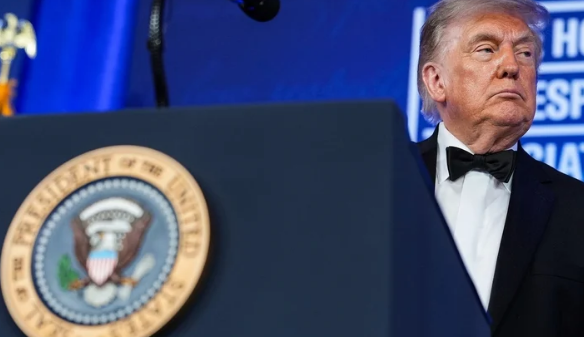
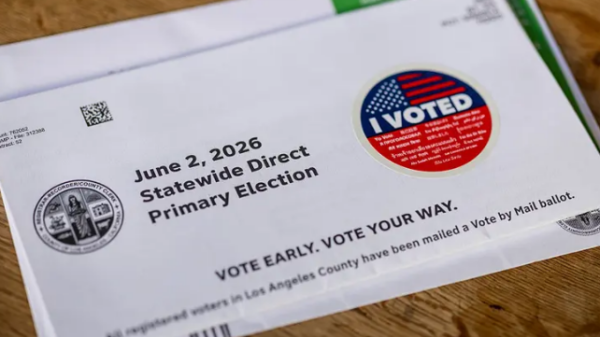
With the presidential election looming just two months away, former President Donald Trump has intensified his rhetoric at rallies, in interviews, and across social media platforms. He continues to promote long-debunked claims that the 2020 election was stolen from him, asserting that the so-called “deep state” is conspiring against him. Trump has suggested retaliatory measures against perceived adversaries, indicating he might fire thousands of non-partisan civil servants whom he accuses of betrayal.

Trump’s narratives also target undocumented immigrants, whom he claims are taking jobs, voting illegally, and committing violent crimes. Notably, during a debate on September 10, he leaned into the unfounded assertion that immigrants in Ohio were stealing pets for food. Furthermore, he has refrained from committing to accept the election results if he loses, though he recently stated he would not run in 2028 if defeated.

The former president has amplified the language of violence and intimidation in his discourse. This escalating rhetoric has, in recent months, seemingly boomeranged back toward him, highlighted by an assassination attempt on September 15, 2024. Experts note that as Trump inflames national discourse, similar to the campaigns of George Wallace over fifty years ago, the normalization of political violence becomes increasingly concerning.

Despite the troubling trends, recent polls indicate that Trump’s popularity remains robust. Approximately 45% of voters express intent to support him in the upcoming election, showcasing the continued allure of his “Make America Great Again” (MAGA) movement. This situation raises alarms about the efficacy of rational political discourse in the current climate.

However, many Americans appear fatigued by the political tumult surrounding Trump. A PBS poll conducted in May revealed that 55% of respondents were not closely following Trump’s legal battles, reflecting widespread voter apathy. Moreover, a 2023 Mood of the Nation survey indicated that half of those aged 18-25 felt indifferent about living in a democracy versus a dictatorship, with some even suggesting that dictatorship could be preferable in certain circumstances.

This growing cynicism among younger voters underscores a broader disillusionment with the American political system, which many perceive as failing to deliver meaningful benefits to their lives. As the election nears, the combination of Trump’s incendiary rhetoric and voter disengagement presents a complex challenge for the nation’s democratic processes.


Business

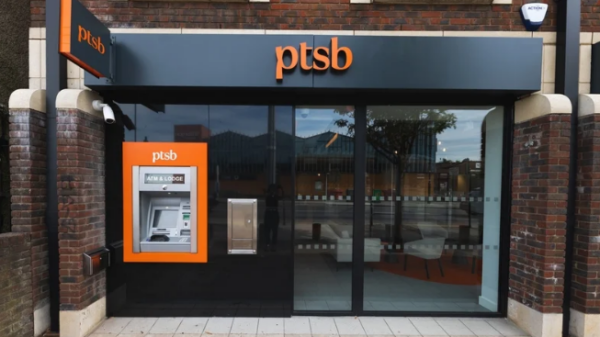
Fraudsters are increasingly using AI-generated images and videos to trick people into handing over sensitive personal and financial information, according to FraudSMART, the financial crime awareness initiative operated by the Banking and Payments Federation Ireland (BPFI). The organisation has reported a rise in online adverts promoting fake, State-backed investment schemes. These scams often use fabricated images of well-known politicians and business figures to make the offers appear legitimate and encourage users to click on registration links. Niamh Davenport, head of financial crime at BPFI, said scammers are deliberately exploiting recent media coverage of a planned State-backed savings and investment scheme to give their frauds a sense of credibility. “They often claim the scheme is open to everyone, but that places are limited and being ‘snapped up’ fast, in order to pressure people to act quickly,” she said. “They typically promise guaranteed returns or a guaranteed monthly income.” FraudSMART said that while anyone can be targeted, people in their early 50s are particularly vulnerable to investment scams. This age group is often focused on retirement planning, making them more receptive to financial offers that appear secure or high-yield. According to the organisation, most scams follow a similar pattern. Victims are first directed to click a registration link and complete a short online form providing their contact details. They are then contacted by someone posing as a financial adviser, who urges them to make an immediate “security deposit” to secure participation in the scheme. Once a payment is made, the money is quickly moved through multiple accounts, often overseas, making recovery extremely difficult. Davenport warned that scammers are becoming more sophisticated in their use of technology, particularly AI tools that allow them to create realistic but entirely fake promotional content. These materials are designed to mimic legitimate financial advertisements and build trust with potential victims. Recent figures from An Garda Síochána show investment fraud rose by 20% last year, with losses exceeding €20 million. The scale of individual scams varies widely, ranging from smaller crypto-related frauds involving a few hundred euro to large-scale investment schemes where victims lose tens of thousands. FraudSMART is urging the public to remain cautious when encountering online investment advertisements, especially those promising guaranteed returns or requiring urgent action. It also advises consumers to avoid sharing personal information with unverified sources and to be wary of pressure tactics designed to rush financial decisions. Authorities continue to warn that fraudsters are adapting quickly, using advanced digital tools to target victims across multiple platforms.

Trending

Business

Fraudsters are increasingly using AI-generated images and videos to trick people into handing over sensitive personal and financial information, according to FraudSMART, the financial crime awareness initiative operated by the Banking and Payments Federation Ireland (BPFI). The organisation has reported a rise in online adverts promoting fake, State-backed investment schemes. These scams often use fabricated images of well-known politicians and business figures to make the offers appear legitimate and encourage users to click on registration links. Niamh Davenport, head of financial crime at BPFI, said scammers are deliberately exploiting recent media coverage of a planned State-backed savings and investment scheme to give their frauds a sense of credibility. “They often claim the scheme is open to everyone, but that places are limited and being ‘snapped up’ fast, in order to pressure people to act quickly,” she said. “They typically promise guaranteed returns or a guaranteed monthly income.” FraudSMART said that while anyone can be targeted, people in their early 50s are particularly vulnerable to investment scams. This age group is often focused on retirement planning, making them more receptive to financial offers that appear secure or high-yield. According to the organisation, most scams follow a similar pattern. Victims are first directed to click a registration link and complete a short online form providing their contact details. They are then contacted by someone posing as a financial adviser, who urges them to make an immediate “security deposit” to secure participation in the scheme. Once a payment is made, the money is quickly moved through multiple accounts, often overseas, making recovery extremely difficult. Davenport warned that scammers are becoming more sophisticated in their use of technology, particularly AI tools that allow them to create realistic but entirely fake promotional content. These materials are designed to mimic legitimate financial advertisements and build trust with potential victims. Recent figures from An Garda Síochána show investment fraud rose by 20% last year, with losses exceeding €20 million. The scale of individual scams varies widely, ranging from smaller crypto-related frauds involving a few hundred euro to large-scale investment schemes where victims lose tens of thousands. FraudSMART is urging the public to remain cautious when encountering online investment advertisements, especially those promising guaranteed returns or requiring urgent action. It also advises consumers to avoid sharing personal information with unverified sources and to be wary of pressure tactics designed to rush financial decisions. Authorities continue to warn that fraudsters are adapting quickly, using advanced digital tools to target victims across multiple platforms.

You May Also Like

Politics

WASHINGTON — The Pentagon announced on Sunday that the United States will send a Terminal High Altitude Area Defense (THAAD) battery to Israel, alongside...

Health

NEW YORK — Teen smoking in the United States has reached an all-time low in 2024, with significant declines in overall youth tobacco use,...

Politics

WASHINGTON — As the countdown to the November 5 presidential election continues, former President Donald Trump is urging his supporters to aim for a...

Politics

In September, NASA announced that summer 2024 was the hottest on record. Just days later, the U.S. faced the dual impact of Hurricanes Helene...