


















Connect with us

Hi, what are you looking for?

Health

West Coast States Form Health Alliance Amid CDC Turmoil

California, Oregon, and Washington announced on Wednesday the creation of a joint health alliance to provide residents with reliable, science-based vaccine information, as upheaval at the federal Centers for Disease Control and Prevention (CDC) continues to spark concern.

In a joint statement, Democratic governors Gavin Newsom of California, Tina Kotek of Oregon, and Jay Inslee of Washington said the move was necessary to safeguard public health in the face of what they described as the Trump Administration’s politicization of the CDC. “President Donald Trump’s mass firing of CDC doctors and scientists—and his blatant politicization of the agency—is a direct assault on the health and safety of the American people,” the governors said. “California, Oregon, and Washington will not allow the people of our states to be put at risk.”

The alliance, they explained, will coordinate health policies by relying on recommendations from independent scientists, clinicians, and respected medical organizations. While each state will continue to craft its own strategies, the three leaders pledged to align vaccine guidance and immunization recommendations to ensure residents receive consistent advice based on evidence rather than shifting federal directives.

The announcement comes amid a leadership crisis at the CDC. Last week, the White House claimed to have fired CDC Director Susan Monarez, though she refused to vacate her post. Monarez had been in office for just over a month. At least four senior officials resigned in the aftermath. The administration quickly appointed Jim O’Neill, a former Silicon Valley executive with no medical training and a deputy to Health and Human Services Secretary Robert F. Kennedy Jr., as acting CDC chief.

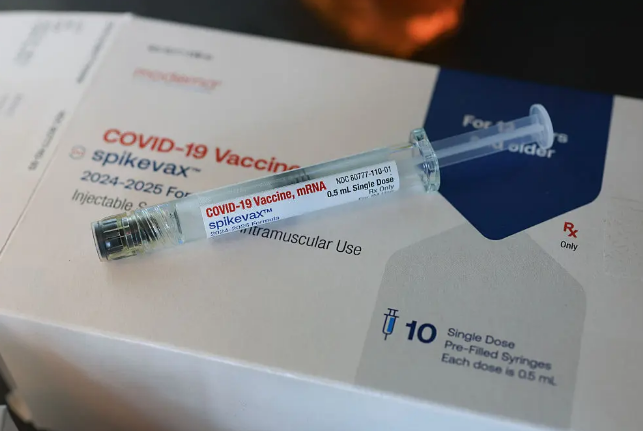
Monarez’s attorneys said she was targeted after resisting pressure to approve “unscientific, reckless directives” and to dismiss senior experts. Her removal adds to concerns about Kennedy’s growing influence over the nation’s vaccine policy. A long-time vaccine skeptic, Kennedy has overseen sweeping changes since his appointment earlier this year. In May, the CDC stopped recommending COVID-19 vaccines for pregnant women and healthy children. More recently, the Food and Drug Administration restricted updated COVID-19 shots to those aged 65 and older or people at higher risk of severe illness.

Medical organizations such as the American Academy of Pediatrics and the American College of Obstetricians and Gynecologists have pushed back, issuing guidance that diverges from federal policy. Meanwhile, Kennedy dismissed all 17 members of the CDC’s immunization advisory committee in June, a move sharply criticized by West Coast leaders and health experts.

Tensions within the public health community have also escalated. Hundreds of professionals signed a letter last month urging Kennedy to “stop spreading inaccurate health information” and to protect agency staff. The appeal followed a shooting at CDC headquarters, which many linked to rising public hostility toward health workers amid politicized rhetoric.

By forming their own alliance, California, Oregon, and Washington hope to reassure residents and maintain public confidence. As their governors emphasized, the goal is simple: “to ensure residents remain protected by science, not politics.”


Business

Fraudsters are increasingly using AI-generated images and videos to trick people into handing over sensitive personal and financial information, according to FraudSMART, the financial crime awareness initiative operated by the Banking and Payments Federation Ireland (BPFI). The organisation has reported a rise in online adverts promoting fake, State-backed investment schemes. These scams often use fabricated images of well-known politicians and business figures to make the offers appear legitimate and encourage users to click on registration links. Niamh Davenport, head of financial crime at BPFI, said scammers are deliberately exploiting recent media coverage of a planned State-backed savings and investment scheme to give their frauds a sense of credibility. “They often claim the scheme is open to everyone, but that places are limited and being ‘snapped up’ fast, in order to pressure people to act quickly,” she said. “They typically promise guaranteed returns or a guaranteed monthly income.” FraudSMART said that while anyone can be targeted, people in their early 50s are particularly vulnerable to investment scams. This age group is often focused on retirement planning, making them more receptive to financial offers that appear secure or high-yield. According to the organisation, most scams follow a similar pattern. Victims are first directed to click a registration link and complete a short online form providing their contact details. They are then contacted by someone posing as a financial adviser, who urges them to make an immediate “security deposit” to secure participation in the scheme. Once a payment is made, the money is quickly moved through multiple accounts, often overseas, making recovery extremely difficult. Davenport warned that scammers are becoming more sophisticated in their use of technology, particularly AI tools that allow them to create realistic but entirely fake promotional content. These materials are designed to mimic legitimate financial advertisements and build trust with potential victims. Recent figures from An Garda Síochána show investment fraud rose by 20% last year, with losses exceeding €20 million. The scale of individual scams varies widely, ranging from smaller crypto-related frauds involving a few hundred euro to large-scale investment schemes where victims lose tens of thousands. FraudSMART is urging the public to remain cautious when encountering online investment advertisements, especially those promising guaranteed returns or requiring urgent action. It also advises consumers to avoid sharing personal information with unverified sources and to be wary of pressure tactics designed to rush financial decisions. Authorities continue to warn that fraudsters are adapting quickly, using advanced digital tools to target victims across multiple platforms.

Trending

Business

Fraudsters are increasingly using AI-generated images and videos to trick people into handing over sensitive personal and financial information, according to FraudSMART, the financial crime awareness initiative operated by the Banking and Payments Federation Ireland (BPFI). The organisation has reported a rise in online adverts promoting fake, State-backed investment schemes. These scams often use fabricated images of well-known politicians and business figures to make the offers appear legitimate and encourage users to click on registration links. Niamh Davenport, head of financial crime at BPFI, said scammers are deliberately exploiting recent media coverage of a planned State-backed savings and investment scheme to give their frauds a sense of credibility. “They often claim the scheme is open to everyone, but that places are limited and being ‘snapped up’ fast, in order to pressure people to act quickly,” she said. “They typically promise guaranteed returns or a guaranteed monthly income.” FraudSMART said that while anyone can be targeted, people in their early 50s are particularly vulnerable to investment scams. This age group is often focused on retirement planning, making them more receptive to financial offers that appear secure or high-yield. According to the organisation, most scams follow a similar pattern. Victims are first directed to click a registration link and complete a short online form providing their contact details. They are then contacted by someone posing as a financial adviser, who urges them to make an immediate “security deposit” to secure participation in the scheme. Once a payment is made, the money is quickly moved through multiple accounts, often overseas, making recovery extremely difficult. Davenport warned that scammers are becoming more sophisticated in their use of technology, particularly AI tools that allow them to create realistic but entirely fake promotional content. These materials are designed to mimic legitimate financial advertisements and build trust with potential victims. Recent figures from An Garda Síochána show investment fraud rose by 20% last year, with losses exceeding €20 million. The scale of individual scams varies widely, ranging from smaller crypto-related frauds involving a few hundred euro to large-scale investment schemes where victims lose tens of thousands. FraudSMART is urging the public to remain cautious when encountering online investment advertisements, especially those promising guaranteed returns or requiring urgent action. It also advises consumers to avoid sharing personal information with unverified sources and to be wary of pressure tactics designed to rush financial decisions. Authorities continue to warn that fraudsters are adapting quickly, using advanced digital tools to target victims across multiple platforms.

You May Also Like

Politics

WASHINGTON — The Pentagon announced on Sunday that the United States will send a Terminal High Altitude Area Defense (THAAD) battery to Israel, alongside...

Health

NEW YORK — Teen smoking in the United States has reached an all-time low in 2024, with significant declines in overall youth tobacco use,...

Politics

WASHINGTON — As the countdown to the November 5 presidential election continues, former President Donald Trump is urging his supporters to aim for a...

Politics

In September, NASA announced that summer 2024 was the hottest on record. Just days later, the U.S. faced the dual impact of Hurricanes Helene...
















