
















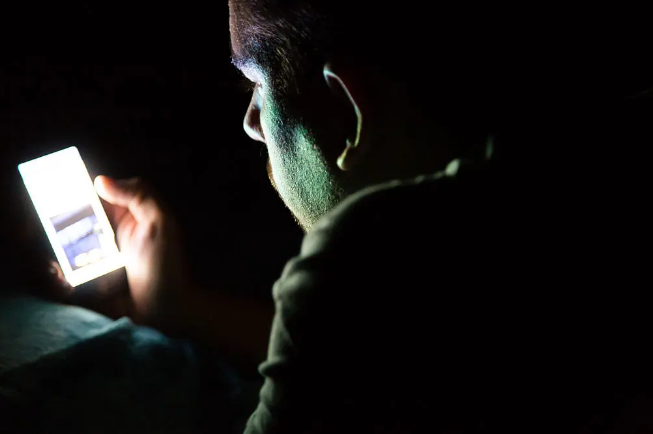
For many years, the advice from scientists and experts to people of all ages has been pretty universal: using your phone before bed will mess with your sleep. However, a new study by Toronto Metropolitan University (TMU) and the Université Laval suggests the issue may be more nuanced.
The research surveyed over 1,000 adults across Canada about their bedtime screen use and sleep health. It found that overall sleep quality was similar between those who used screens every night and those who did not use them at all. Interestingly, the worst sleep was reported by participants who used their phones only a few nights each week.
TMU Professor Colleen Carney, a specialist in sleep and mood disorders and co-author of the study, said prior research often relied on conditions that do not reflect everyday life. “Studies usually pick young adults closer to puberty, who are more light sensitive, and keep them in dim lighting all day, which isn’t representative,” Carney told TIME. She added that many studies attributing sleep disruption to blue light may have overstated its effects.
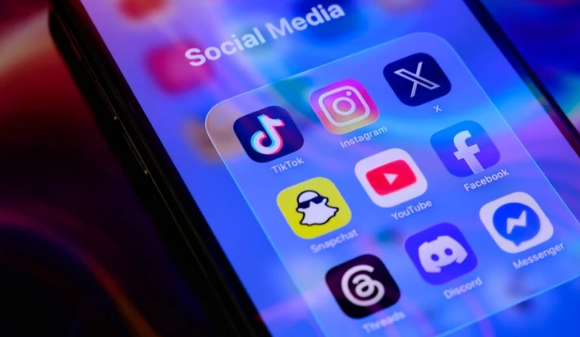
The study also found that what people do on their phones is as important as screen exposure. Engaging with content that is upsetting or highly alerting can make it difficult to put the device down, potentially affecting sleep quality. Over 80% of survey participants reported using screens at bedtime in the past month, and nearly half said they did so every night.
While the findings challenge the conventional focus on blue light, previous research shows mixed results. Several studies have linked blue light to melatonin suppression and delayed sleep, particularly in adolescents and young adults. A 2023 study in Brain Communications confirmed that reading on a phone could reduce melatonin, but the effect could be mitigated by putting the device away an hour before bedtime. Other research indicates that sleep disruptions associated with screen use may relate more to content than light exposure.
Dr. Alex Dimitriu, a sleep psychiatrist in California, called the TMU study “fascinating” but cautioned that it does not overturn the body of evidence suggesting screens can affect sleep. He noted that many adults use phones for engaging activities that can prolong wakefulness, making it harder to fall asleep. “Screens are not good for sleep,” Dimitriu said.
The TMU study underscores that adults may be less sensitive to the sleep-disrupting effects of blue light than younger people. “There may be reason to be cautious about excessive blue light exposure in the evening for teens, but as we age, we are not as light sensitive,” Carney said.
The research highlights a growing understanding that bedtime screen habits affect individuals differently and that content, timing, and personal sensitivity may play as large a role as the light emitted from devices.