

















Connect with us

Hi, what are you looking for?

Education

Scotland Native Transforms Personal Cancer Battles into Mission for Cancer Prevention

Growing up in Scotland, Nigel Brockton dreamt of becoming a marine biologist. However, after facing a rare and deadly cancer twice before completing his college education, he redirected his career toward cancer research, determined to help others reduce their risk of the disease.

In the early 1990s, Brockton was ahead of his time. During that period, many people believed cancer was primarily a result of inherited genes and bad luck, akin to being struck by lightning. Today, research indicates a different narrative: approximately 40% of all cancers can be prevented by addressing specific risk factors, particularly through lifestyle changes.

Nutrition plays a pivotal role in this equation. As a cancer epidemiologist for the nonprofit American Institute for Cancer Research, Brockton, along with other scientists, has been investigating the connections between unhealthy diets and increased cancer risk, as well as the potential benefits of nutritious alternatives. Alarmingly, cancer rates are rising among Americans under 50, underscoring the urgency of the issue. “By eating more of the good stuff, we have less of the bad,” Brockton stated. “We can start to turn the tide.”

When Brockton began his career, researchers were in search of a “magic bullet” – specific foods that could prevent cells from becoming cancerous. Now, Brockton explains, the focus has shifted to dietary patterns. “It’s much more important than individual foods,” he said, emphasizing that the right dietary habits can help the body combat cancer-promoting mechanisms such as obesity, chronic inflammation, and a malfunctioning immune system.

The most beneficial diets include the Mediterranean, vegetarian, and pescovegetarian options, rich in plant-based proteins and fibers. In stark contrast, the Standard American Diet (SAD), characterized by high consumption of red meat and refined sugars, contributes to cancer risk. According to the National Cancer Institute, “nearly the entire U.S. population” adheres to the SAD.

Research shows that adopting healthier dietary patterns can reduce an individual’s cancer risk by 8-9%. Maintaining a healthy body weight can further decrease the risk by an additional 7-8%. Recent studies utilizing a scoring system developed by the National Cancer Institute and Brockton’s organization indicate that an overall healthy lifestyle, which includes increased consumption of nutritious foods, has a more significant impact on lowering cancer risk than any single healthy behavior.

Among the most impactful dietary changes are increasing fiber intake. “Fiber is my favorite nutrient for cancer prevention,” says Carrie Daniel-MacDougall, a cancer epidemiologist at MD Anderson Cancer Center. Many plant foods provide carbohydrates along with substantial fiber, but ultra-processing often diminishes fiber content. The SAD often includes low-fiber foods that are heavily processed.

To improve fiber intake, experts recommend substituting refined carbs with whole plant foods like beans, lentils, and legumes, which offer high fiber-to-carb ratios. Research has linked high-fiber intake to longer survival rates in cancer patients and improved immune function in animals, suggesting that fiber can inhibit cancer growth by bolstering the immune system.

In the fight against cancer, Brockton’s journey reflects a broader understanding of the disease and the critical role of lifestyle changes in prevention. As he continues his mission, the importance of nutrition in reducing cancer risk is becoming increasingly clear.


Business

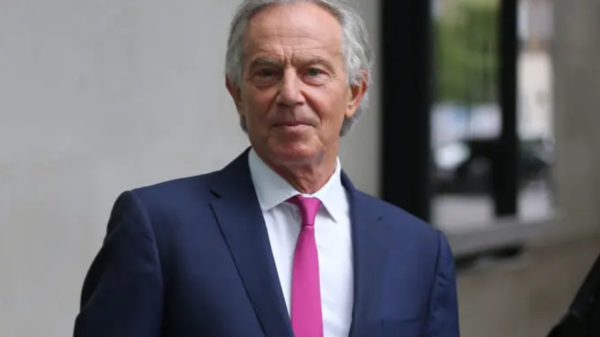
Fraudsters are increasingly using AI-generated images and videos to trick people into handing over sensitive personal and financial information, according to FraudSMART, the financial crime awareness initiative operated by the Banking and Payments Federation Ireland (BPFI). The organisation has reported a rise in online adverts promoting fake, State-backed investment schemes. These scams often use fabricated images of well-known politicians and business figures to make the offers appear legitimate and encourage users to click on registration links. Niamh Davenport, head of financial crime at BPFI, said scammers are deliberately exploiting recent media coverage of a planned State-backed savings and investment scheme to give their frauds a sense of credibility. “They often claim the scheme is open to everyone, but that places are limited and being ‘snapped up’ fast, in order to pressure people to act quickly,” she said. “They typically promise guaranteed returns or a guaranteed monthly income.” FraudSMART said that while anyone can be targeted, people in their early 50s are particularly vulnerable to investment scams. This age group is often focused on retirement planning, making them more receptive to financial offers that appear secure or high-yield. According to the organisation, most scams follow a similar pattern. Victims are first directed to click a registration link and complete a short online form providing their contact details. They are then contacted by someone posing as a financial adviser, who urges them to make an immediate “security deposit” to secure participation in the scheme. Once a payment is made, the money is quickly moved through multiple accounts, often overseas, making recovery extremely difficult. Davenport warned that scammers are becoming more sophisticated in their use of technology, particularly AI tools that allow them to create realistic but entirely fake promotional content. These materials are designed to mimic legitimate financial advertisements and build trust with potential victims. Recent figures from An Garda Síochána show investment fraud rose by 20% last year, with losses exceeding €20 million. The scale of individual scams varies widely, ranging from smaller crypto-related frauds involving a few hundred euro to large-scale investment schemes where victims lose tens of thousands. FraudSMART is urging the public to remain cautious when encountering online investment advertisements, especially those promising guaranteed returns or requiring urgent action. It also advises consumers to avoid sharing personal information with unverified sources and to be wary of pressure tactics designed to rush financial decisions. Authorities continue to warn that fraudsters are adapting quickly, using advanced digital tools to target victims across multiple platforms.

Trending

Business

Fraudsters are increasingly using AI-generated images and videos to trick people into handing over sensitive personal and financial information, according to FraudSMART, the financial crime awareness initiative operated by the Banking and Payments Federation Ireland (BPFI). The organisation has reported a rise in online adverts promoting fake, State-backed investment schemes. These scams often use fabricated images of well-known politicians and business figures to make the offers appear legitimate and encourage users to click on registration links. Niamh Davenport, head of financial crime at BPFI, said scammers are deliberately exploiting recent media coverage of a planned State-backed savings and investment scheme to give their frauds a sense of credibility. “They often claim the scheme is open to everyone, but that places are limited and being ‘snapped up’ fast, in order to pressure people to act quickly,” she said. “They typically promise guaranteed returns or a guaranteed monthly income.” FraudSMART said that while anyone can be targeted, people in their early 50s are particularly vulnerable to investment scams. This age group is often focused on retirement planning, making them more receptive to financial offers that appear secure or high-yield. According to the organisation, most scams follow a similar pattern. Victims are first directed to click a registration link and complete a short online form providing their contact details. They are then contacted by someone posing as a financial adviser, who urges them to make an immediate “security deposit” to secure participation in the scheme. Once a payment is made, the money is quickly moved through multiple accounts, often overseas, making recovery extremely difficult. Davenport warned that scammers are becoming more sophisticated in their use of technology, particularly AI tools that allow them to create realistic but entirely fake promotional content. These materials are designed to mimic legitimate financial advertisements and build trust with potential victims. Recent figures from An Garda Síochána show investment fraud rose by 20% last year, with losses exceeding €20 million. The scale of individual scams varies widely, ranging from smaller crypto-related frauds involving a few hundred euro to large-scale investment schemes where victims lose tens of thousands. FraudSMART is urging the public to remain cautious when encountering online investment advertisements, especially those promising guaranteed returns or requiring urgent action. It also advises consumers to avoid sharing personal information with unverified sources and to be wary of pressure tactics designed to rush financial decisions. Authorities continue to warn that fraudsters are adapting quickly, using advanced digital tools to target victims across multiple platforms.

You May Also Like

Politics

WASHINGTON — The Pentagon announced on Sunday that the United States will send a Terminal High Altitude Area Defense (THAAD) battery to Israel, alongside...

Health

NEW YORK — Teen smoking in the United States has reached an all-time low in 2024, with significant declines in overall youth tobacco use,...

Politics

WASHINGTON — As the countdown to the November 5 presidential election continues, former President Donald Trump is urging his supporters to aim for a...

Politics

In September, NASA announced that summer 2024 was the hottest on record. Just days later, the U.S. faced the dual impact of Hurricanes Helene...