
















“Emotionally unavailable” has become one of the most common—and least precise—labels in modern dating, used to describe everything from a partner who avoids difficult conversations to someone who struggles to express feelings. Therapists say the term can be misleading and encourage people to focus instead on specific behaviors and patterns within relationships.
“It’s not a clinical term,” said Alexandra Solomon, a psychologist and adjunct professor at Northwestern University. She advises clients to move beyond labels and describe what is actually happening. “If my client says, ‘My partner’s emotionally unavailable,’ the next step is to ask them to paint a clearer picture,” she said.
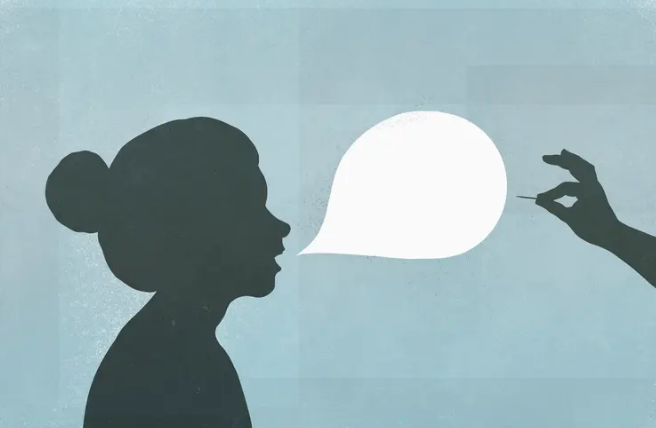
Experts describe emotional availability as the ability and willingness to engage with both one’s own emotions and those of a partner. It involves openness, responsiveness, and a capacity to handle vulnerability. Melissa Paul, a couples therapist based in New York, said this connection works as a two-way exchange. When one person withdraws, it can create a strong sense that something is missing, even if it is hard to define.
Therapists also stress that emotional availability is not an all-or-nothing trait. Tara Gogolinski explained that it exists on a spectrum, with individuals showing different levels of openness depending on circumstances. Most people are not fully emotionally available at all times.
In many cases, difficulty with emotional connection is shaped by past experiences. Gogolinski said emotional distance can act as a protective response, especially for those who learned early in life that vulnerability was unsafe or unwelcome. As a result, some people avoid emotionally intense situations or keep conversations at a surface level, even if they care deeply about their partner.
Common signs of emotional disconnection include feeling lonely even when together, hesitating to share personal thoughts, or noticing that a partner shuts down during serious conversations. Some individuals may respond with logic or analysis rather than empathy, which can make interactions feel one-sided. Others may struggle to offer comfort during moments of distress, not out of indifference but because they lack the tools to respond.
Another pattern involves inconsistency. A partner may appear open and engaged early in a relationship but become distant as emotional intimacy deepens. Experts say this shift can be linked to fear of conflict or rejection, making it harder for one partner to fully trust the relationship.
Therapists recommend addressing these dynamics with clarity rather than criticism. Instead of relying on broad labels, individuals are encouraged to identify specific needs and communicate them directly. Approaching conversations with curiosity and openness can help reduce defensiveness and create space for deeper connection.
By focusing on behaviors rather than labels, experts say couples can better understand each other and work toward more meaningful emotional engagement.