









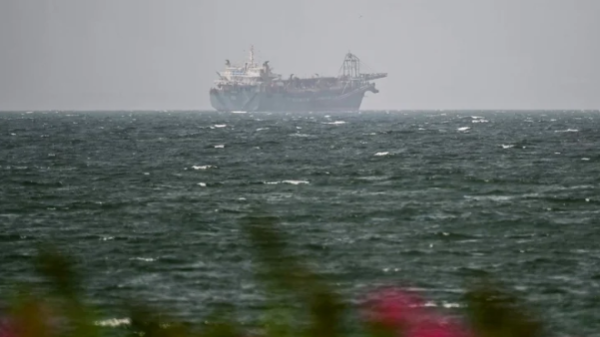
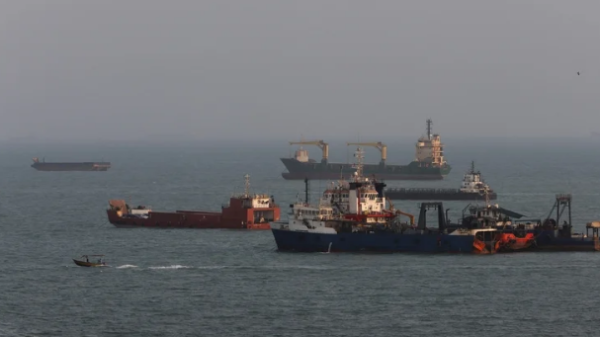





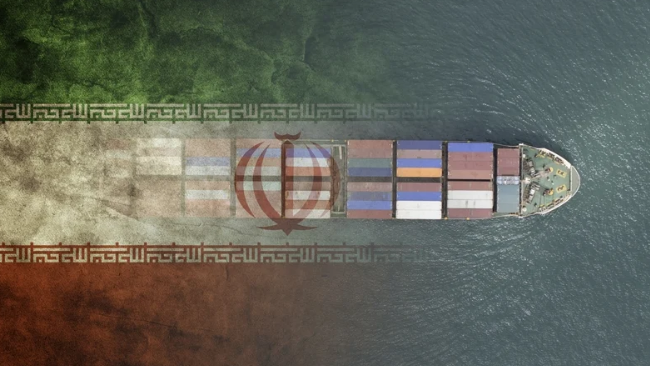
Oil prices eased in early trading today as renewed signals of possible negotiations between the United States and Iran tempered fears of prolonged disruption to global supply chains following the blockade of the Strait of Hormuz.
Brent crude futures declined 62 cents, or about 0.6%, to $98.74 a barrel, while US West Texas Intermediate (WTI) dropped $2.30, or 2.3%, to $96.78. The modest pullback followed a volatile session in which both benchmarks had surged, with Brent gaining more than 4% and WTI nearly 3% after the US military moved to enforce a blockade on Iranian ports.
Despite the recent easing, prices remain highly sensitive to developments in the conflict. Oil benchmarks had already risen sharply in previous weeks, with crude prices reportedly jumping around 50% last month amid escalating tensions in the region.
Analysts noted that while expectations of renewed diplomacy between Washington and Tehran have helped calm markets, physical supply disruptions remain a major concern. One energy market strategist said that even with price corrections, the loss of actual barrels from global circulation continues to support underlying tightness in supply.
The International Energy Agency warned in its latest report that attacks on energy infrastructure and the effective closure of the Strait of Hormuz have caused what it described as the most severe oil supply disruption on record. The agency estimated that around 10.1 million barrels per day were removed from global flows in March alone.
The US military confirmed on Monday that its blockade would extend beyond the Strait of Hormuz into the Gulf of Oman and the Arabian Sea. Ship-tracking data indicated that at least two vessels turned back as the restrictions took effect. NATO allies, including Britain and France, have not joined the blockade, instead urging that the waterway be reopened to restore global energy stability.
Iran responded by warning it could target ports in Gulf-bordering states following the breakdown of weekend negotiations in Islamabad. However, shipping data showed that several Iran-linked tankers have continued through the Strait when not bound for Iranian ports.
Diplomatic channels remain open, with multiple sources indicating that US and Iranian negotiators could reconvene later this week. Pakistani officials also confirmed ongoing mediation efforts.
Market analysts warned that if talks fail, oil prices could revisit recent highs as inventory declines deepen into the coming months. The International Energy Agency further revised its outlook, forecasting weaker global demand and a decline in supply growth through 2026, reinforcing expectations of continued volatility in energy markets.