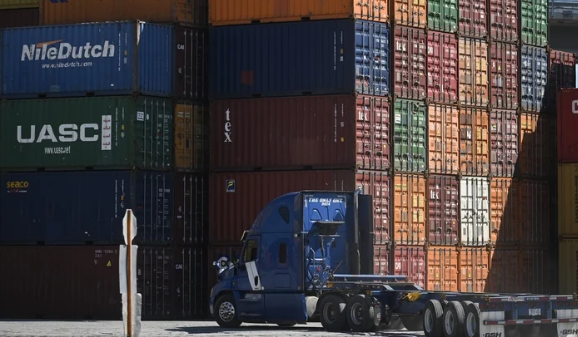















Mexican lawmakers have approved a sweeping package of tariffs affecting hundreds of imported products, including many from China, as the government seeks to strengthen domestic production. The measures, passed by the Senate on Wednesday, are set to take effect on 1 January 2026.
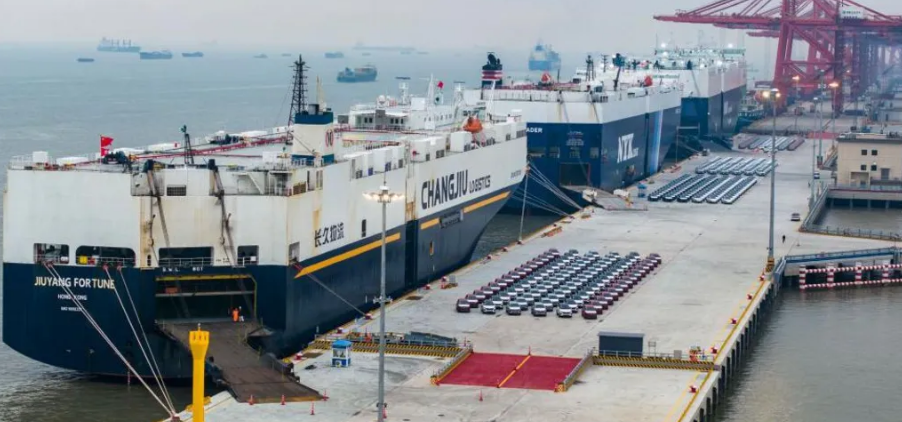
The new duties will cover a wide range of goods, including metals, automobiles, clothing, and household appliances. Products from more than a dozen countries without free trade agreements with Mexico, such as Thailand, India, and Indonesia, will also be affected. Tariffs could reach as high as 50% on over 1,400 items.
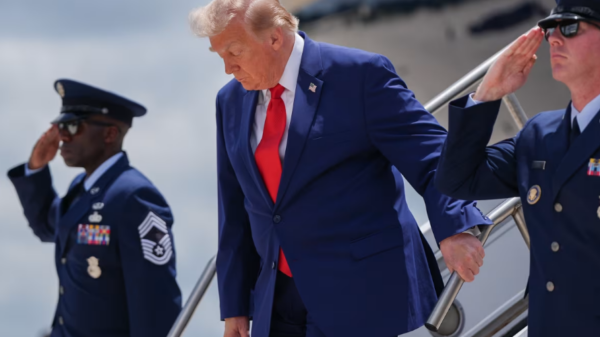
President Claudia Sheinbaum defended the decision, saying the measures are necessary to boost Mexico’s domestic manufacturing sector. The move comes amid ongoing trade tensions with the United States, where former President Donald Trump has repeatedly threatened steep import taxes on Mexico.
The tariffs are likely to complicate Mexico’s negotiations with Washington, which are aimed at reducing U.S. duties on Mexican steel and aluminium. Trump has also warned of additional levies, including a 5% tariff in response to disputes over water access for American farmers under a treaty dating back more than 80 years. The treaty grants the United States water from Rio Grande tributaries, but the U.S. has long accused Mexico of failing to meet its obligations. Trump also linked tariffs to efforts to curb the flow of synthetic opioids, such as fentanyl, into the United States.
China has reacted sharply to the new tariffs. A spokesperson for Beijing’s commerce ministry said the measures will “substantially harm the interests of trading partners, including China,” and announced that an investigation into Mexico’s trade policy is underway. The ministry urged Mexico to “correct” its decision.
Chinese companies have been expanding their operations in Mexico in recent years. Car brands like BYD and MG have established production facilities in the country, part of China’s broader strategy to deepen trade and innovation ties with Latin America and the Caribbean. U.S. officials, however, have expressed concern that Mexico could be used as a route to bypass existing American tariffs.
The tariffs add another layer of complexity to the U.S.-Mexico trade relationship. The United States remains Mexico’s largest trading partner, making any disruption to cross-border commerce potentially significant for both economies. Mexican officials are continuing discussions with Washington to minimize the economic impact while implementing domestic protection measures.
Observers say the new tariffs reflect Mexico’s desire to support local industries amid growing global competition, while also navigating sensitive trade negotiations with its northern neighbour. The coming months are expected to see close monitoring from the U.S., China, and other affected countries, as both economic and geopolitical stakes rise.