
















New data shows grocery price inflation in Ireland continued to rise in early 2026, reflecting ongoing pressure on household budgets. Figures from Worldpanel by Numerator reveal that the annual grocery inflation rate increased from 6.25% to 6.82% over the 12 weeks ending 25 January.
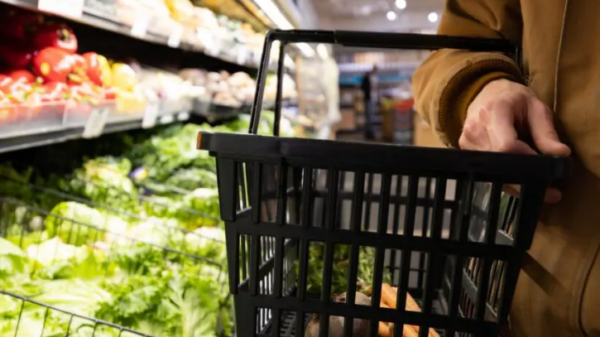
Despite rising prices, grocery sales grew by 5% during the four-week period, with Irish shoppers spending a total of €1.2 billion. While consumers made slightly more trips to stores than during the same period last year, they purchased 1.9% fewer packs, a trend Worldpanel describes as evidence of “continued caution among Irish consumers as grocery inflation rose.”
Online grocery shopping continues to gain traction, increasing by 7% year on year to account for 5.8% of total market value. Nearly 20% of Irish households purchased groceries online during the latest 12-week period, spending an additional €15 million compared with the previous year.
Retailer market shares remain led by Dunnes, which holds 24.8%, closely followed by Tesco on 24.4%. SuperValu accounted for 19.4%, Lidl 13.2%, and Aldi 10.4%.
The report also highlighted specific product categories where spending rose. Shoppers spent an additional €454,000 on low- and non-alcoholic beverages in January. Spending on fresh fruit, chilled smoothies, juices, and yoghurts increased by more than €8.1 million, while healthcare-related products recorded a 6.8% rise year on year.
Private label products continue to play a major role in the market. Own label goods accounted for 43.4% of total grocery spend during the period, up 0.7 percentage points from the previous month. Shoppers spent more than €1.7 billion on these products over the latest 12 weeks. Growth in premium own label items remained strong at 5%, while branded goods also performed well, increasing by 7.3%.
Worldpanel analysts noted that the combination of higher prices and cautious purchasing highlights the ongoing balancing act for Irish consumers. While shoppers are increasingly aware of price pressures, the continued growth in both store visits and online sales indicates resilience in consumer demand.
The data reflects the broader trend of rising grocery costs across Ireland, which has been affecting household spending since 2022. Analysts say the figures point to a dual market where consumers remain careful in quantities purchased, yet are willing to spend on preferred or higher-quality items, particularly in fresh produce and healthcare categories.