











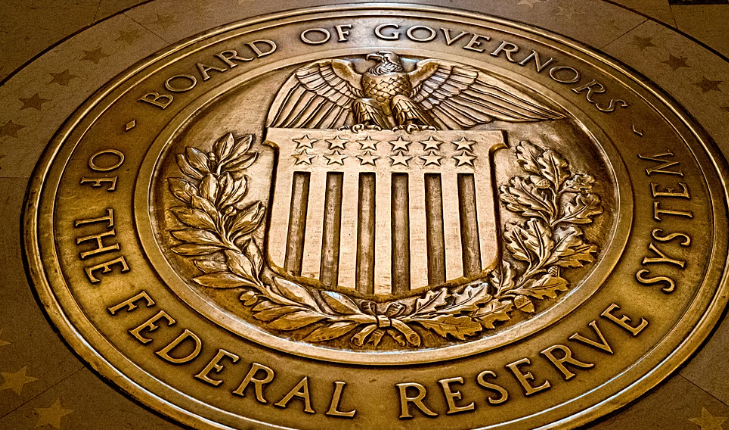
The US Federal Reserve is weighing whether to raise interest rates for the first time in years as the Iran war drives up fuel costs and pushes inflation further above target.
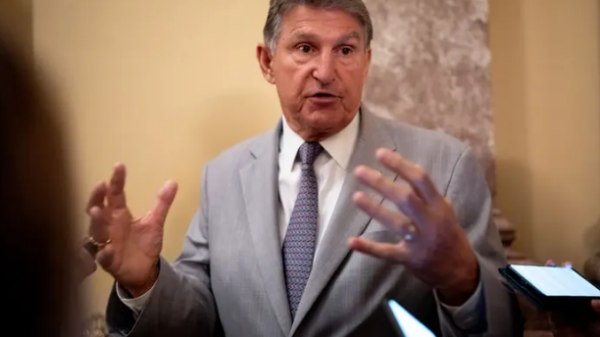
Beth Hammack, president of the Federal Reserve Bank of Cleveland, told the Associated Press on Monday that while she prefers to hold the benchmark rate steady “for quite some time,” a hike could become necessary if inflation remains stubbornly high. “I could see where we might need to raise rates if inflation stays persistently above our target,” she said.
This marks a potential reversal from late last year, when the Fed cut its key rate three times to support the economy. Hammack also left the door open for rate cuts, but only in the event of a significant labour market downturn. “I can foresee scenarios where we would need to reduce rates if the labour market deteriorates significantly,” she said. Cutting rates makes borrowing cheaper, encouraging businesses to invest and hire, and is a tool the Fed typically uses when unemployment rises.
Inflation is already moving in the wrong direction. Economists forecast annual inflation at 3.1% in March, up from 2.4% in February. Hammack’s own estimates suggest it could hit 3.5% in April, the highest since 2024. “Inflation has been running above our target for more than five years now,” she said, adding that further increases would move it “in the wrong direction, away from our 2% objective.” The US government will release its March inflation report on Friday, which will provide the first clear read on the impact of surging energy costs since the conflict began on 28 February.
Fuel prices have surged since the war erupted, averaging $4.12 per gallon nationally on Monday, up 80 cents from a month earlier. For Hammack, whose district covers Ohio, Pennsylvania, West Virginia, and Kentucky, the message from the ground is clear. “Rising gas prices are the No. 1 thing I hear about from people in my district,” she said. “We know that causes a lot of pain personally, as it eats up a bigger and bigger share of people’s paychecks.”
The Fed faces a difficult balancing act. It is legally required to pursue both low inflation and maximum employment, and the Iran war threatens both. Higher fuel costs could lead consumers to cut spending, slowing growth and raising unemployment, which would normally call for rate cuts. But persistent inflation pushes in the opposite direction, creating a policy dilemma. How the conflict ultimately shapes the US economy will depend on its duration and the extent of further energy price increases.
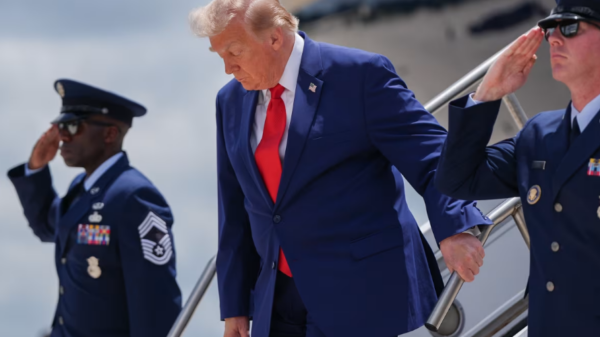
A rate hike would likely put the Fed at odds with US President Donald Trump, who has repeatedly criticized the central bank for not cutting rates faster and has called for the benchmark rate to fall to 1%, less than a third of the current 3.6% level. Other Fed officials, including Chicago Fed President Austan Goolsbee, have also signaled openness to raising rates, and minutes from the Fed’s January meeting indicated several committee members supported language acknowledging the possibility of “upward adjustments.”