













Connect with us

Hi, what are you looking for?

latest
latest

Latest

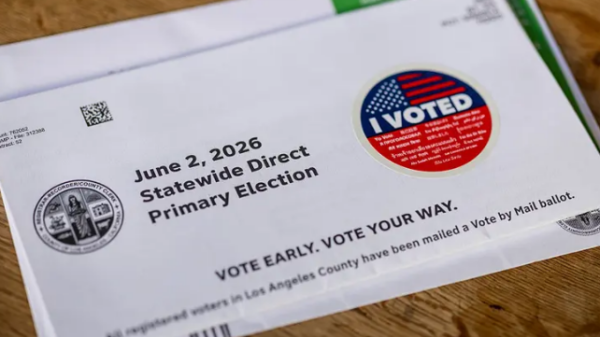
Americans Experience Record Political Stress Ahead of Election Season

As the political climate heats up in the lead-up to the presidential election, Americans are feeling the pressure. According to a recent poll conducted by the American Psychiatric Association, 73% of U.S. adults are stressed about the electoral race. This concern is echoed in a 2024 Pew Research Center survey, which found that 65% of Americans often feel exhausted when thinking about politics, and 55% report feelings of anger.

Experts warn that the stress associated with political events can lead to various health issues, including sleep disturbances, anxiety, and even chronic illnesses. “Election-related anticipatory stress can significantly impact health,” says Shevaun Neupert, a psychology professor at NC State University. “It’s getting under our skin in ways that affect our day-to-day well-being.” Neupert emphasizes the importance of seeking help when political anxiety becomes overwhelming, highlighting that while it’s a common experience, it’s not a healthy one.

In light of these findings, mental health professionals are offering strategies to help individuals navigate the emotional turmoil of election season.

Engage in Problem Analysis
One effective coping strategy is problem analysis, which involves critically assessing anticipated stressful situations. Neupert advises individuals to reflect on potential political discussions and understand opposing viewpoints. This preemptive approach can prepare individuals for constructive conversations rather than confrontations, thereby reducing stress.

Challenge Negative Thoughts
Colleen Marshall, chief clinical officer at Two Chairs, suggests a cognitive-behavioral technique known as “putting your thoughts on trial.” This involves evaluating catastrophic beliefs about the political landscape and contrasting them with evidence that counters these fears. By identifying anxious thoughts versus factual ones, individuals can alleviate their concerns and regain perspective.

Limit News Consumption
For many, constant news exposure heightens anxiety. Marshall encourages setting boundaries around media consumption, such as designating specific times for news updates or avoiding notifications from news apps. This practice can help manage anxiety levels and foster a healthier relationship with current events.

Curate Social Media Feeds
Dr. Laura Erickson-Schroth, chief medical officer of The Jed Foundation, notes that social media can amplify stress through relentless exposure to distressing content. Users are advised to curate their feeds by setting time limits and selectively following accounts that promote positive information. By doing so, they can mitigate the stress often associated with political discussions on these platforms.

Prepare for Political Conversations
Experts also recommend setting personal boundaries regarding political discussions. Before engaging, individuals should assess their emotional readiness to handle differing opinions. If tensions rise, they can steer the conversation towards less contentious topics to maintain harmony.

Prioritize Self-Care
Amid the chaos, prioritizing self-care is crucial. Marshall urges individuals to engage in mindfulness practices, spend time in nature, and ensure they get adequate sleep and exercise. Kristin Papa, a psychotherapist, encourages reflecting on past coping mechanisms during stressful times to identify effective strategies for managing current election-related anxiety.

As the election draws near, these expert strategies aim to empower Americans to maintain their mental health while remaining engaged in the democratic process.

Business

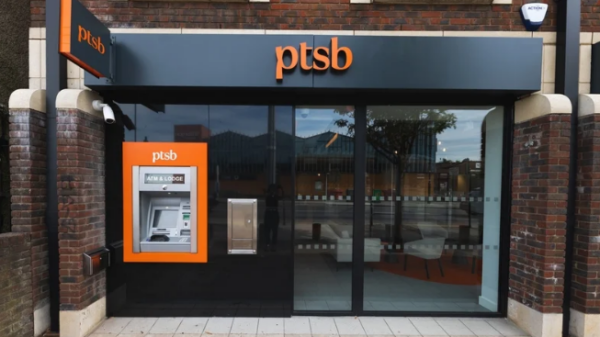
Fraudsters are increasingly using AI-generated images and videos to trick people into handing over sensitive personal and financial information, according to FraudSMART, the financial crime awareness initiative operated by the Banking and Payments Federation Ireland (BPFI). The organisation has reported a rise in online adverts promoting fake, State-backed investment schemes. These scams often use fabricated images of well-known politicians and business figures to make the offers appear legitimate and encourage users to click on registration links. Niamh Davenport, head of financial crime at BPFI, said scammers are deliberately exploiting recent media coverage of a planned State-backed savings and investment scheme to give their frauds a sense of credibility. “They often claim the scheme is open to everyone, but that places are limited and being ‘snapped up’ fast, in order to pressure people to act quickly,” she said. “They typically promise guaranteed returns or a guaranteed monthly income.” FraudSMART said that while anyone can be targeted, people in their early 50s are particularly vulnerable to investment scams. This age group is often focused on retirement planning, making them more receptive to financial offers that appear secure or high-yield. According to the organisation, most scams follow a similar pattern. Victims are first directed to click a registration link and complete a short online form providing their contact details. They are then contacted by someone posing as a financial adviser, who urges them to make an immediate “security deposit” to secure participation in the scheme. Once a payment is made, the money is quickly moved through multiple accounts, often overseas, making recovery extremely difficult. Davenport warned that scammers are becoming more sophisticated in their use of technology, particularly AI tools that allow them to create realistic but entirely fake promotional content. These materials are designed to mimic legitimate financial advertisements and build trust with potential victims. Recent figures from An Garda Síochána show investment fraud rose by 20% last year, with losses exceeding €20 million. The scale of individual scams varies widely, ranging from smaller crypto-related frauds involving a few hundred euro to large-scale investment schemes where victims lose tens of thousands. FraudSMART is urging the public to remain cautious when encountering online investment advertisements, especially those promising guaranteed returns or requiring urgent action. It also advises consumers to avoid sharing personal information with unverified sources and to be wary of pressure tactics designed to rush financial decisions. Authorities continue to warn that fraudsters are adapting quickly, using advanced digital tools to target victims across multiple platforms.

Trending

Business

Fraudsters are increasingly using AI-generated images and videos to trick people into handing over sensitive personal and financial information, according to FraudSMART, the financial crime awareness initiative operated by the Banking and Payments Federation Ireland (BPFI). The organisation has reported a rise in online adverts promoting fake, State-backed investment schemes. These scams often use fabricated images of well-known politicians and business figures to make the offers appear legitimate and encourage users to click on registration links. Niamh Davenport, head of financial crime at BPFI, said scammers are deliberately exploiting recent media coverage of a planned State-backed savings and investment scheme to give their frauds a sense of credibility. “They often claim the scheme is open to everyone, but that places are limited and being ‘snapped up’ fast, in order to pressure people to act quickly,” she said. “They typically promise guaranteed returns or a guaranteed monthly income.” FraudSMART said that while anyone can be targeted, people in their early 50s are particularly vulnerable to investment scams. This age group is often focused on retirement planning, making them more receptive to financial offers that appear secure or high-yield. According to the organisation, most scams follow a similar pattern. Victims are first directed to click a registration link and complete a short online form providing their contact details. They are then contacted by someone posing as a financial adviser, who urges them to make an immediate “security deposit” to secure participation in the scheme. Once a payment is made, the money is quickly moved through multiple accounts, often overseas, making recovery extremely difficult. Davenport warned that scammers are becoming more sophisticated in their use of technology, particularly AI tools that allow them to create realistic but entirely fake promotional content. These materials are designed to mimic legitimate financial advertisements and build trust with potential victims. Recent figures from An Garda Síochána show investment fraud rose by 20% last year, with losses exceeding €20 million. The scale of individual scams varies widely, ranging from smaller crypto-related frauds involving a few hundred euro to large-scale investment schemes where victims lose tens of thousands. FraudSMART is urging the public to remain cautious when encountering online investment advertisements, especially those promising guaranteed returns or requiring urgent action. It also advises consumers to avoid sharing personal information with unverified sources and to be wary of pressure tactics designed to rush financial decisions. Authorities continue to warn that fraudsters are adapting quickly, using advanced digital tools to target victims across multiple platforms.

You May Also Like

Politics

WASHINGTON — The Pentagon announced on Sunday that the United States will send a Terminal High Altitude Area Defense (THAAD) battery to Israel, alongside...

Health

NEW YORK — Teen smoking in the United States has reached an all-time low in 2024, with significant declines in overall youth tobacco use,...

Politics

WASHINGTON — As the countdown to the November 5 presidential election continues, former President Donald Trump is urging his supporters to aim for a...

Politics

In September, NASA announced that summer 2024 was the hottest on record. Just days later, the U.S. faced the dual impact of Hurricanes Helene...