















Connect with us

Hi, what are you looking for?

News

Red Cross Warns Ebola Outbreak in Congo May Last a Year as Cases Continue to Spread

The International Federation of Red Cross and Red Crescent Societies has warned that the Ebola outbreak in the Democratic Republic of Congo has not yet reached its peak, raising concerns that the epidemic could continue for up to a year as it spreads across multiple provinces.

Speaking to reporters via video link from eastern Congo, IFRC operations manager Bruno Michon said it remains difficult to determine the full scale of the outbreak. He cautioned that the situation is still evolving and that the worst phase of the epidemic may still lie ahead.

“It’s very difficult to know exactly to what extent the epidemic is spreading… but yes, the peak is, I think, not behind us, but in front of us,” Michon said. He added that responders fear the outbreak could persist for an extended period before it is brought under control.

Health authorities have confirmed more than 800 cases of the Bundibugyo strain of Ebola, including 192 deaths. The strain is considered rare and particularly challenging because there is currently no approved vaccine or proven treatment available. The virus spreads through direct contact with bodily fluids, including after death, increasing the risk of transmission in affected communities.

Government data indicates the outbreak is now active across three provinces, with infections continuing to spread into new areas. However, humanitarian organisations believe the official figures may not reflect the full extent of the crisis. Médecins Sans Frontières has said in a statement that underreporting remains a serious concern, a view echoed by other aid groups and some local officials.

The outbreak is already recorded as the third deadliest Ebola epidemic in history. Health workers say several factors are slowing the response, including limited testing capacity and shortages of treatment facilities. Community resistance to strict infection-control measures has also complicated efforts to contain the virus.

According to MSF, gaps in testing remain one of the most significant obstacles to managing the outbreak, making it harder to track transmission chains and isolate patients effectively. Health officials say that more than a month after the outbreak was declared, the true scale of infections is still uncertain.

The World Health Organization has also raised concerns about inadequate healthcare capacity. It reports that there are only 14 treatment centres serving nine health zones across the affected provinces of Ituri, North Kivu and South Kivu. In contrast, the outbreak has already spread to 31 of at least 90 health zones in the region.

Aid agencies warn that without a rapid expansion of treatment facilities and improved community engagement, the outbreak could continue to expand before it eventually comes under control.


Click to comment

You must be logged in to post a comment Login

Leave a Reply

Business

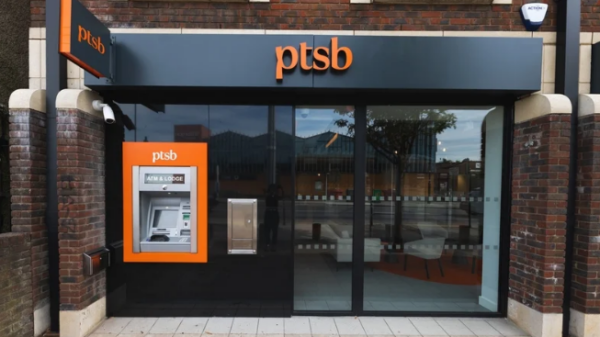
Fraudsters are increasingly using AI-generated images and videos to trick people into handing over sensitive personal and financial information, according to FraudSMART, the financial crime awareness initiative operated by the Banking and Payments Federation Ireland (BPFI). The organisation has reported a rise in online adverts promoting fake, State-backed investment schemes. These scams often use fabricated images of well-known politicians and business figures to make the offers appear legitimate and encourage users to click on registration links. Niamh Davenport, head of financial crime at BPFI, said scammers are deliberately exploiting recent media coverage of a planned State-backed savings and investment scheme to give their frauds a sense of credibility. “They often claim the scheme is open to everyone, but that places are limited and being ‘snapped up’ fast, in order to pressure people to act quickly,” she said. “They typically promise guaranteed returns or a guaranteed monthly income.” FraudSMART said that while anyone can be targeted, people in their early 50s are particularly vulnerable to investment scams. This age group is often focused on retirement planning, making them more receptive to financial offers that appear secure or high-yield. According to the organisation, most scams follow a similar pattern. Victims are first directed to click a registration link and complete a short online form providing their contact details. They are then contacted by someone posing as a financial adviser, who urges them to make an immediate “security deposit” to secure participation in the scheme. Once a payment is made, the money is quickly moved through multiple accounts, often overseas, making recovery extremely difficult. Davenport warned that scammers are becoming more sophisticated in their use of technology, particularly AI tools that allow them to create realistic but entirely fake promotional content. These materials are designed to mimic legitimate financial advertisements and build trust with potential victims. Recent figures from An Garda Síochána show investment fraud rose by 20% last year, with losses exceeding €20 million. The scale of individual scams varies widely, ranging from smaller crypto-related frauds involving a few hundred euro to large-scale investment schemes where victims lose tens of thousands. FraudSMART is urging the public to remain cautious when encountering online investment advertisements, especially those promising guaranteed returns or requiring urgent action. It also advises consumers to avoid sharing personal information with unverified sources and to be wary of pressure tactics designed to rush financial decisions. Authorities continue to warn that fraudsters are adapting quickly, using advanced digital tools to target victims across multiple platforms.

Trending

Business

Fraudsters are increasingly using AI-generated images and videos to trick people into handing over sensitive personal and financial information, according to FraudSMART, the financial crime awareness initiative operated by the Banking and Payments Federation Ireland (BPFI). The organisation has reported a rise in online adverts promoting fake, State-backed investment schemes. These scams often use fabricated images of well-known politicians and business figures to make the offers appear legitimate and encourage users to click on registration links. Niamh Davenport, head of financial crime at BPFI, said scammers are deliberately exploiting recent media coverage of a planned State-backed savings and investment scheme to give their frauds a sense of credibility. “They often claim the scheme is open to everyone, but that places are limited and being ‘snapped up’ fast, in order to pressure people to act quickly,” she said. “They typically promise guaranteed returns or a guaranteed monthly income.” FraudSMART said that while anyone can be targeted, people in their early 50s are particularly vulnerable to investment scams. This age group is often focused on retirement planning, making them more receptive to financial offers that appear secure or high-yield. According to the organisation, most scams follow a similar pattern. Victims are first directed to click a registration link and complete a short online form providing their contact details. They are then contacted by someone posing as a financial adviser, who urges them to make an immediate “security deposit” to secure participation in the scheme. Once a payment is made, the money is quickly moved through multiple accounts, often overseas, making recovery extremely difficult. Davenport warned that scammers are becoming more sophisticated in their use of technology, particularly AI tools that allow them to create realistic but entirely fake promotional content. These materials are designed to mimic legitimate financial advertisements and build trust with potential victims. Recent figures from An Garda Síochána show investment fraud rose by 20% last year, with losses exceeding €20 million. The scale of individual scams varies widely, ranging from smaller crypto-related frauds involving a few hundred euro to large-scale investment schemes where victims lose tens of thousands. FraudSMART is urging the public to remain cautious when encountering online investment advertisements, especially those promising guaranteed returns or requiring urgent action. It also advises consumers to avoid sharing personal information with unverified sources and to be wary of pressure tactics designed to rush financial decisions. Authorities continue to warn that fraudsters are adapting quickly, using advanced digital tools to target victims across multiple platforms.

You May Also Like

Politics

WASHINGTON — The Pentagon announced on Sunday that the United States will send a Terminal High Altitude Area Defense (THAAD) battery to Israel, alongside...

Health

NEW YORK — Teen smoking in the United States has reached an all-time low in 2024, with significant declines in overall youth tobacco use,...

Politics

WASHINGTON — As the countdown to the November 5 presidential election continues, former President Donald Trump is urging his supporters to aim for a...

Politics

In September, NASA announced that summer 2024 was the hottest on record. Just days later, the U.S. faced the dual impact of Hurricanes Helene...