







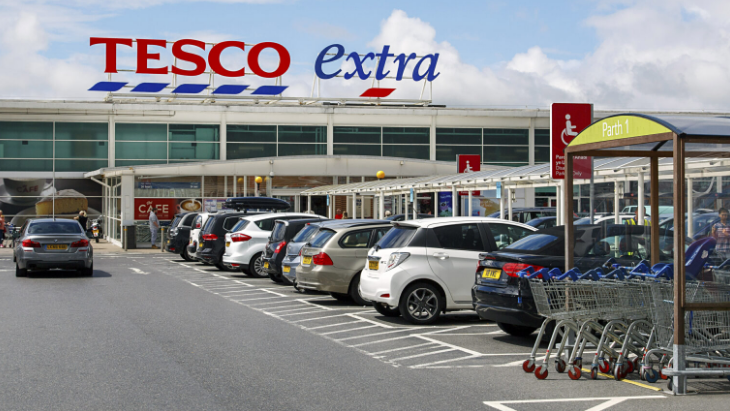
Britain’s largest supermarket has urged the government to reduce tax and energy costs for retailers, warning that rising geopolitical tensions in the Middle East are adding fresh uncertainty to food prices and supply chains.
Tesco reported an 8.5% rise in annual pre-tax profit alongside its full-year results, but chief executive Ken Murphy used the update to call for policy support from Westminster. He said any measures to ease energy and tax burdens would help supermarkets keep prices down for consumers at a time when inflation risks are resurfacing.
“In terms of tax pressures, industry and energy in particular, anything the government can do to help us to keep prices low for customers is welcome,” Murphy said.
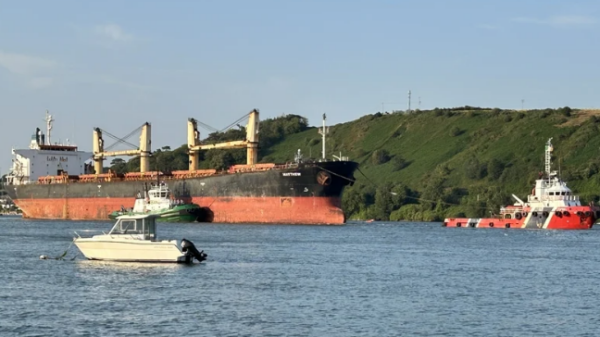
The comments come as conflict in Iran continues to unsettle global energy markets and raise concerns about shipping routes, particularly the Strait of Hormuz, through which a significant share of global oil and gas passes. Murphy said Tesco would work to protect shoppers from potential price shocks linked to the crisis, which he described as a growing source of economic uncertainty.
The retailer, which holds about 28% of the UK grocery market, has increased its profit forecast for the year ahead, guiding adjusted operating profit between £3 billion and £3.3 billion. However, Murphy stressed that the final outcome would depend on how long the conflict lasts and how it affects consumer demand and global supply chains.
He said Tesco was in close contact with government departments to support contingency planning, including worst-case scenarios involving prolonged disruption to energy and food supply routes. Despite the heightened risk environment, he said the company had not yet seen significant disruption in its supply chain or changes in customer behaviour.
Inflation pressures, he added, remained limited for now, with only energy and fertiliser costs showing noticeable increases. Murphy downplayed recent industry warnings that food inflation could approach double digits later this year, saying Tesco did not recognise such projections at this stage.
Industry peers have also flagged risks. Other major retailers, including Next and Morrisons, have highlighted rising costs and a more challenging consumer environment linked to global instability.
Fuel supply pressures have also begun to appear at some UK forecourts, with isolated shortages reported as drivers react to rising price expectations. Asda chairman Allan Leighton described these as temporary “spikes” rather than systemic shortages.
Tesco said it had experienced higher fuel demand but maintained that stock levels remained stable. The company is also investing in electrifying its delivery fleet, with around 30% to 40% now running on electric power, which Murphy said would strengthen resilience over time.
While analysts say Tesco continues to outperform rivals on value and market share, they also warn that maintaining low prices while absorbing rising costs could place pressure on profit margins if global instability persists.