














Hungary is voting in a closely watched parliamentary election that could bring an end to Prime Minister Viktor Orbán’s 16 years in power, with opinion polls suggesting a tight contest that has drawn intense international attention.
Polling stations opened at 6am local time across the country, with voters deciding whether to extend Orbán’s nationalist government or hand power to opposition leader Péter Magyar, whose Tisza Party has surged in popularity on a platform promising political change and reform.
The election is being followed closely across Europe and beyond, with analysts describing it as one of the most significant votes in Hungary since the country’s transition to democracy in 1990. Orbán, Europe’s longest-serving head of government, is seeking a fifth consecutive term.
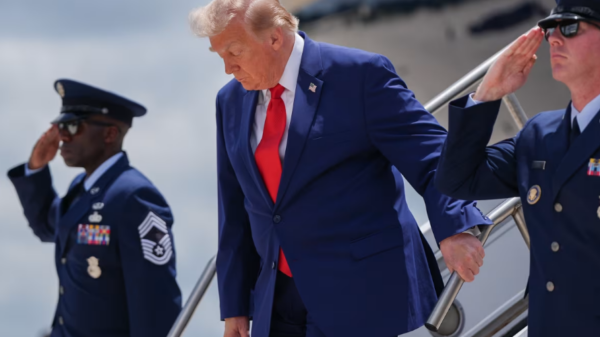
US President Donald Trump has publicly supported Orbán, praising him as a “strong leader,” while US Vice President JD Vance visited Budapest earlier this week in a show of backing for the Hungarian prime minister. The involvement of international figures has added to concerns over foreign influence, with both major camps accusing external actors of interference.
Orbán has positioned his campaign around themes of national sovereignty, migration, and opposition to EU policies, repeatedly criticising Brussels and maintaining close ties with Russia. His government has also faced ongoing disputes with the European Union over rule-of-law concerns, with billions of euros in EU funding currently frozen.
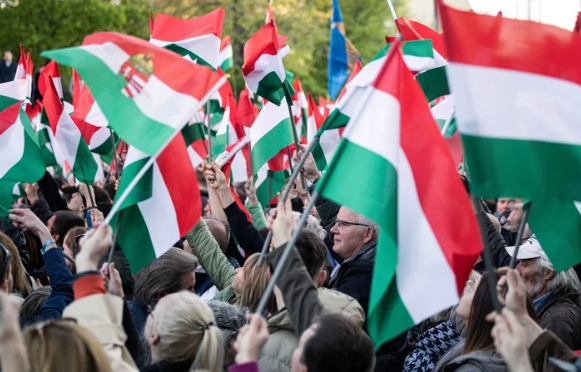
Opposition leader Péter Magyar, a former government insider, has built momentum by campaigning on anti-corruption reforms and promises to restore stronger ties with European institutions. His rallies have drawn large crowds, particularly among voters frustrated by economic stagnation and governance issues.
“This is a pivotal election,” said Andrea Szabo, a senior research fellow at ELTE University’s Centre for Social Sciences, warning that another Orbán victory could further shift Hungary away from democratic norms.
Orbán’s supporters, however, argue that his leadership has brought stability and protection of national interests. At campaign events, his backers have warned against political change, with some expressing concern that a new government could undermine recent gains.
The campaign has been marked by sharp rhetoric on both sides. Orbán has focused heavily on the war in Ukraine, portraying it as a threat to Hungary’s security, while also pledging continued action against what he calls “foreign-backed” organisations and critical media. The opposition has accused the government of running a negative campaign dominated by fear-based messaging.
Allegations of corruption, vote-buying, and foreign disinformation have further intensified tensions in the run-up to the vote, though none of the claims have been independently verified.
Analysts expect a high turnout, potentially reaching record levels. Polls are set to close at 7pm, with preliminary results expected shortly afterwards, although officials warn that a close race could delay a final outcome.