








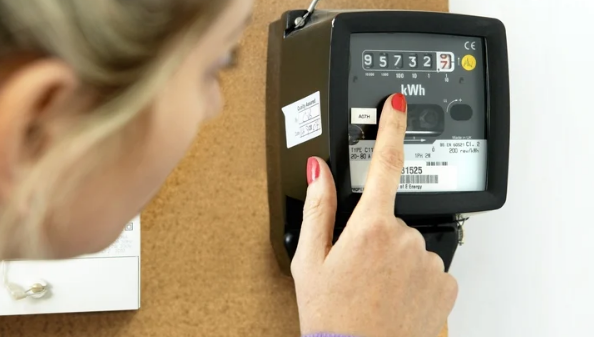






Ireland’s annual inflation rose to an estimated 3.6% in the 12 months to March, driven largely by surging energy costs, the Central Statistics Office (CSO) reported in its latest flash estimate of the Harmonised Index of Consumer Prices (HICP). Month-on-month, prices increased by 1.8%, with energy costs climbing 11.1% in March alone and rising 12.3% over the past year.
Tánaiste Simon Harris told reporters that, despite the escalating energy crisis linked to the US war in Iran, there are no plans to impose Covid-style restrictions on travel or daily life in Ireland. He described the crisis as unprecedented in scale but stressed that there are no immediate supply concerns in Ireland or across Europe.
“This situation is very different from the pandemic,” Harris said. “We are keeping all measures under review, but there are currently no plans to adapt people’s travel schedules.” He added that even if the conflict were to end today, estimates from the International Energy Agency suggest it could take up to a year to repair the damage to global infrastructure.
Harris noted that the government may again advise the public on energy conservation, similar to measures taken during the conflict in Ukraine. He emphasized that the main focus remains on de-escalating tensions in the Middle East while maintaining confidence in Ireland’s economic growth. The government still expects the economy to expand this year and incomes to rise, which Harris said would help the country manage the ongoing crisis.
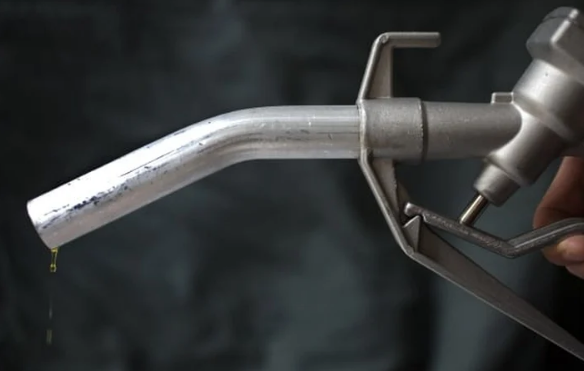
Sinn Féin Finance Spokesperson Pearse Doherty called for urgent government action to reduce diesel, petrol, and home heating oil prices in response to the latest inflation figures. He warned that if energy costs are not quickly controlled, food prices and other sectors of the economy could be significantly affected, putting additional pressure on families and workers. Doherty also criticized last week’s minor reduction in green diesel excise duty, describing it as insufficient, and urged further cuts to ease the burden on farmers and fishermen.
Food prices in Ireland are estimated to have decreased slightly by 0.3% last month but have risen 2.3% over the past year. The corresponding eurozone HICP figures will be released tomorrow. CSO statistician Anthony Dawson said the increase in energy prices “may have been influenced by recent events in the Middle East” and noted that the price data were collected in mid-March, prior to government interventions on energy costs.
The CSO’s HICP allows for comparisons of consumer prices across the eurozone, while the official Irish Consumer Price Index for March will be published on 9 April.
Ireland faces rising living costs amid global energy market disruptions, but the government continues to stress stability and economic resilience while monitoring the situation closely.