


















Lung cancer remains the leading cause of cancer deaths in the United States, claiming more lives than colon, breast, and prostate cancers combined, according to a 2026 report by the American Cancer Society. Most patients—about three out of four—are diagnosed at an advanced stage, when treatment is far less effective.
Recent data show lung cancer is increasingly affecting younger adults, particularly women, people of Asian descent, and individuals who have never smoked. Despite these trends, routine screening remains limited, prompting calls from experts to expand eligibility.
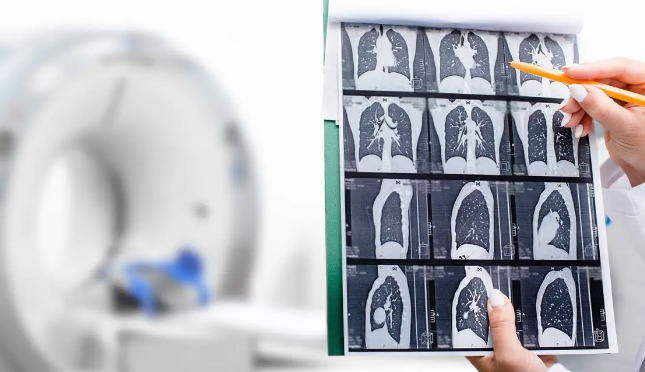
Currently, the U.S. Preventive Services Task Force (USPSTF) recommends annual screening with low-dose CT scans only for adults aged 50 to 80 with a 20 pack-year smoking history who either currently smoke or quit within the last 15 years. A pack-year is the equivalent of smoking one pack, or about 20 cigarettes, per day for a year.
Experts say these guidelines overlook many at-risk groups. “The current guidelines are based on an outdated risk model,” said Dr. Ankit Bharat, chief of thoracic surgery at Northwestern Medicine. “They presume smoking is the only cause. People exposed to secondhand smoke, air pollution, or radon have no pathway to screening.”
A November 2025 study in JAMA Network Open examined nearly 1,000 lung cancer patients and found that only 35% met USPSTF criteria. Expanding screening to adults aged 40 to 85 could detect 94% of lung cancers, potentially preventing at least 26,000 deaths annually, the researchers estimate.
“Early detection is the only way to treat lung cancer effectively,” Bharat said. “Stage I lung cancer is completely curable and can often be treated on an outpatient basis.” Dr. Roy Herbst, chief of medical oncology at Yale Cancer Center, agreed: “Screening definitely saves lives. Finding it early makes a difference.”
Despite the proven benefits, most eligible individuals are not screened. Research shows fewer than 20% of those who qualify undergo CT scans, said Dr. Samir Makani, director of the lung cancer screening program at Scripps Cancer Center. The process can be cumbersome, requiring a preliminary consultation before scheduling a scan.
Some concerns about expanding screening include cost, radiation exposure, and incidental findings. However, experts note that low-dose CT scans expose patients to minimal radiation, comparable to a mammogram, and detecting other health issues in the chest can be beneficial. Treating early-stage lung cancer is far less expensive than addressing advanced cases, making wider screening cost-effective over time.
Many specialists advocate for universal lung cancer screening after age 40, regardless of smoking history, with subsequent scans personalized based on individual risk. Dr. Kim Sandler, director of Vanderbilt Lung Screening Program, said, “We already tailor colon and breast cancer screening. Lung cancer screening should work the same way.”
Until guidelines are broadened, experts urge patients to be proactive. Those at risk or with a family history should consult their doctors. Persistent symptoms such as a chronic cough should never be ignored, and insurance coverage may be available even outside current USPSTF criteria.
Makani emphasized the survival benefits: “Stage IA lung cancer has a five-year survival rate of over 90%, compared to just 20% for Stage III. Most patients we detect are asymptomatic, which underscores the importance of screening.”