



















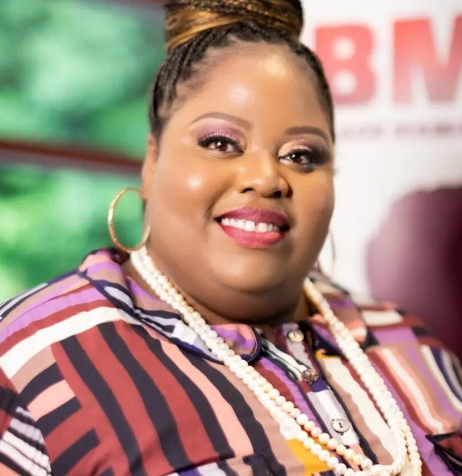
For nearly 20 years, public health expert Angela Doyinsola Aina has worked to address one of the United States’ most pressing health crises: the disproportionately high rate of pregnancy-related deaths among Black women. Research shows Black women die from pregnancy complications at three times the rate of white women, a disparity that persists regardless of income or education.
Aina, 42, is the Executive Director and co-founder of the Black Mamas Matter Alliance (BMMA), a national network of Black women-led organizations dedicated to improving perinatal and reproductive health care. Since its founding in November 2016, BMMA has supported nurses, doulas, midwives, and physicians who provide care to Black mothers and birthing people.
“The problem isn’t individual actors,” Aina said, highlighting structural racism embedded in the American health system. She cited cases like that of Mercedes Wells, who was discharged from an Indiana hospital while in active labor, only to give birth on the side of the road minutes later. After public backlash, the hospital terminated staff involved and revised its protocols.
Aina identifies broader systemic barriers, including insurance payment models, underinvestment in women’s health research, and, under the current U.S. administration, the defunding of quality improvement initiatives. “It’s very systemic in the ways health care is provided and the ways we value maternal healthcare,” she said.
Her path began at Georgia State University, where she focused on women’s health before earning a Master’s in Public Health from Morehouse School of Medicine. She gained experience across community organizations, state health departments, academic institutions, and the Centers for Disease Control and Prevention.
Aina noticed a consistent pattern in her work: Black women were creating innovative solutions for community health but lacked the resources to sustain them. That realization led to the creation of BMMA. “Trust Black women, listen to Black women, and most importantly, invest in Black women,” she said, describing the Alliance’s guiding principle.
Over the past decade, BMMA has advocated for new models of community-based care, including birth centers, wraparound service programs, and reproductive justice clinics. The organization has published policy agendas, developed a “Black paper” on holistic maternity care, and advanced research methodologies that treat participants as collaborators. BMMA has also been instrumental in pushing the federal Momnibus Act, which addresses maternal mortality through investments in social determinants of health, expanded Medicaid coverage, workforce diversity, and better data collection.
Even as funding for women’s health and diversity initiatives declines, Aina is focusing on community support and frontline health workers. This year’s Black Maternal Health Week, she said, will carry the theme “Rooted in Justice and Joy.”
“When we center the people most impacted by these issues, it has a positive effect on everybody,” Aina said. Her work highlights not only the urgent need for systemic reform but also the expertise and resilience Black women bring to shaping solutions for their communities.